The 2026 Heart to Hands Award presented by Philips and RDH magazine
Key Highlights
- The Heart to Hands Award recognizes hygienists who combine clinical skill with compassion to make a meaningful community impact.
- Aleah Diemand advocates for systemic change, emphasizing access to oral health as a human right and working on legislation to improve care equity.
- Carol Rykiel dedicates her career to serving homeless populations, addressing oral-systemic health links, and advocating for vulnerable groups.
- Lindsey Vizcay pioneers portable, community-based dental care, emphasizing trust and personalized treatment for patients with special needs.
- All recipients exemplify that the heart of dental hygiene lies in empathy, advocacy, and reaching out with hands and hearts to serve others.
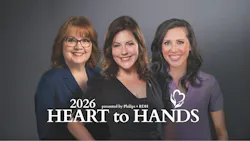
The Philips/RDH Heart to Hands Award celebrates the dedication and passion of dental hygienists who make a significant impact in their communities and the lives of their patients.
Hands and hearts: a winning combination
We all know what a hygienist’s hands can do. Every licensed hygienist gets similar training and experience working in the mouths of patients. While we may each have our own style, we all physically do pretty much the same things with our hands.
But what about the heart? Well, that’s not so easily learned in the classroom. In fact, maybe it’s not learned at all, unless we learn it at our mothers’ knees. But it seems to me that dental hygiene is a profession that attracts those with big hearts.
I asked the three recipients of this year’s Heart to Hands Award what the heart of dental hygiene is, and here are their replies:
“The heart of dental hygiene is the belief that oral health is a fundamental human right, not a luxury reserved for those with the right zip code or insurance. It is the bridge where clinical precision meets empathy, transforming technical care into a powerful tool for social equity and systemic change. When we treat a patient, we are not just cleaning teeth. We are restoring dignity and protecting the overall health of our community.”—Aleah Diemand
“The heart of dental hygiene is compassion! Meeting people where they are and being able to effectively address someone else’s suffering—whether it is emotional stress or dental pain—is truly a gift.”—Carol Rykiel
“The heart of dental hygiene is skilled hands guided by compassion. It is clinical excellence delivered with patience, flexibility, and kindness. It is earning trust first so prevention can truly last.”—Lindsey Vizcay
Three different definitions, because for each hygienist, the heart of hygiene is something unique. And that’s what makes this profession so beautiful and diverse. The heart dictates the individual path each hygienist will take, whether it is advocating for those who can’t advocate for themselves, serving the homeless, legislating for access to care, or teaching and inspiring future generations of hygienists. Perhaps the one unifying concept of the heart of hygiene is that it reaches outward with compassion and without discrimination.
The Heart to Hands Award celebrates three hygienists who are reaching out with their hearts and hands to bring health and caring to all.
Aleah Diemand, BSDH, RDH, FADHA: Changing the system
Aleah Diemand believes clinical excellence is a commitment to equity, evidence-based care, and the transformative power of prevention. She is driven by a simple conviction: “Access to oral health care shouldn’t depend on your zip code, your insurance, or your circumstances, but for far too many in Massachusetts and across the US, it still does, and that is why I advocate.”
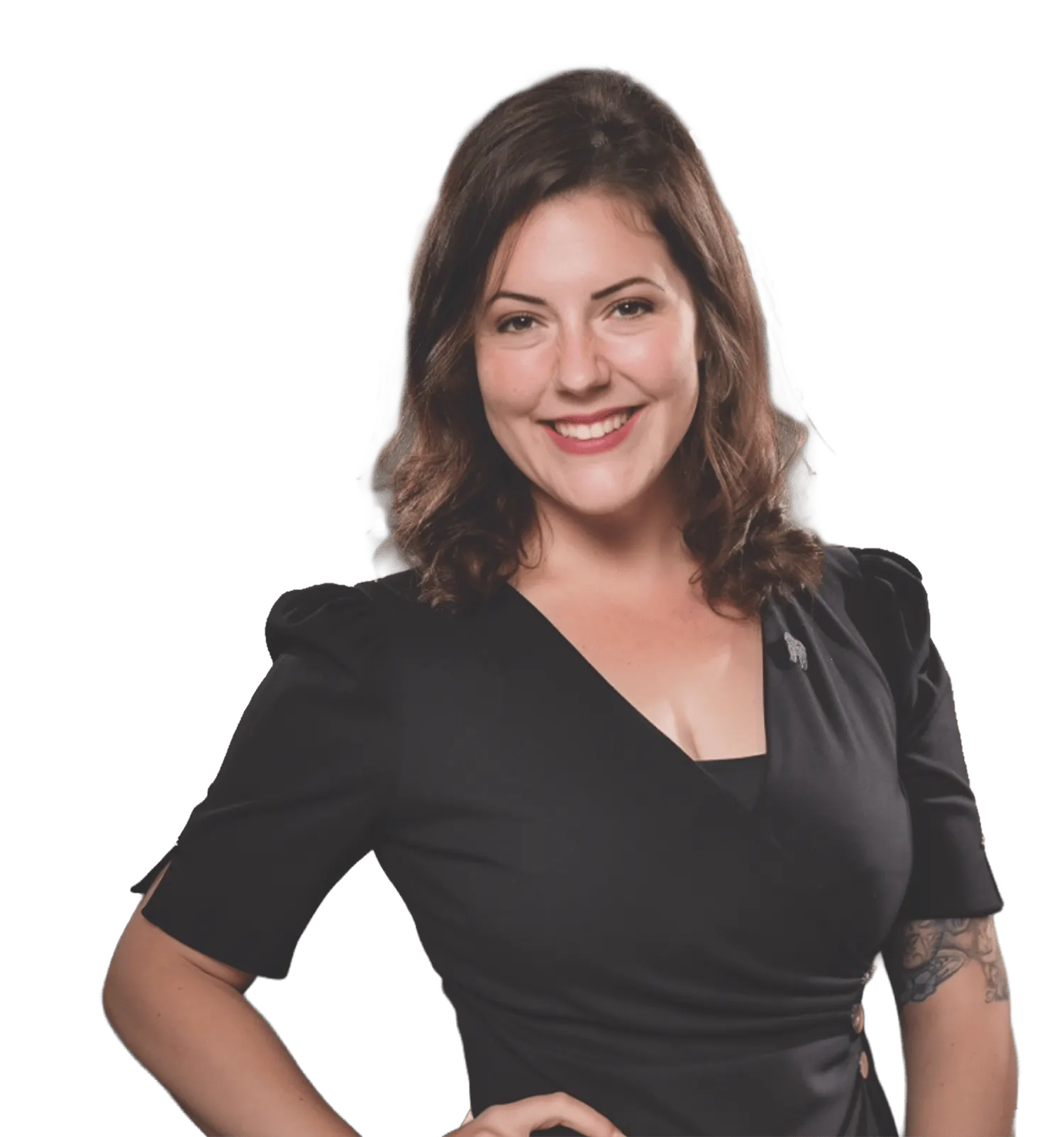
Aleah chose dental hygiene to merge science with service. She views hygienists as the prevention specialists of health care. For her, the operatory is a classroom where she empowers patients through education, turning routine appointments into life-changing health interventions.
For six years, Aleah has served in a rural Health Professional Shortage Area in Western Massachusetts. In caring for Medicaid families, elders with dementia, and survivors of domestic violence, she has witnessed the same barriers repeatedly: fear, transportation, language gaps, insurance limitations, and systemic failures. Rather than accepting these as the way it is, Aleah decided to change the system from the inside out.
From the operatory to the state house
For the last two years, Aleah has served as the regulation and practice chair for the Massachusetts Dental Hygienists’ Association. In this capacity, she coordinates with legislators, public health organizations, and educational coalitions to promote sustainable workforce solutions and oral health equity. In January, she testified and helped introduce five major bills to expand access to care. These bills covered critical advancements including the authorization of dental therapy, nitrous oxide administration for hygienists to better manage patient anxiety, and the DDH Compact to allow for professional mobility across state lines.
Her leadership recently expanded to the national stage as the public awareness chair for the Oral Health Awareness Project. Here, she works to demystify oral health for the general public, ensuring the vital link between dental care and systemic health is understood. By amplifying these issues, she ensures that access is becoming a tangible reality.
Memorable connections
In the operatory, Aleah meets patients where they are—physically, emotionally, and cognitively. One of her most profound connections is with an elderly woman living with dementia whom she has treated for six years. As the patient’s condition progressed to being unable to eat or walk, Aleah’s role shifted from traditional clinician to a vital guardian of her comfort. “Watching her journey has been a lesson in the dignity of care,” Aleah says. “When a patient can no longer advocate for themselves, the hygienist becomes their voice, ensuring that even in the final stages of life, they are treated with the highest level of respect and oral health maintenance.”
Aleah also expertly coaxes and calms fearful children. By integrating her understanding of sensory processing (informed by her own experience as a mother to a child with a disability), she turns a terrifying clinical encounter into a win. And it is not just the children she calms; it is also the anxious parents who finally feel seen and supported.
Perhaps Aleah’s most transformative work is with survivors of trauma. One patient had avoided the dentist for over a decade due to severe anxiety. Through trauma-informed care, Aleah stabilized the woman’s health and helped her regain the confidence to smile, start dating again, and apply for a promotion. For Aleah, seeing a life transform from being too embarrassed to speak to being a confident member of the community proves that dental hygiene is a form of social justice.
A heart for service
Aleah has collaborated with over 30 health equity groups, including Head Start and Habitat for Humanity. She served as the patient registration lead for Massachusetts’ first Mission of Mercy and oral health representative for the New England Rural Health Association. Each pursuit aims to catch downstream problems while producing upstream solutions.
Currently, Aleah is pursuing an MBA and preparing for dental school. She is determined to carry the hygienist’s heart into the doctor’s chair, proving that the most effective dentists are those who remain advocates at their core. She says, “Oral health is public health, and advocacy is clinical care on a larger scale. From heart to hands to our community’s overall health, that is the work I’m proud to do.”
Carol Rykiel, MS, BSDH, RDH: Advocate for the homeless
Carol Rykiel’s passion for dental hygiene stems from a profound commitment to providing high-quality oral health care to homeless individuals in Colorado. As she approaches her 32nd year as a dental hygienist, she is driven by the opportunity to contribute meaningfully to the well-being of this vulnerable population.
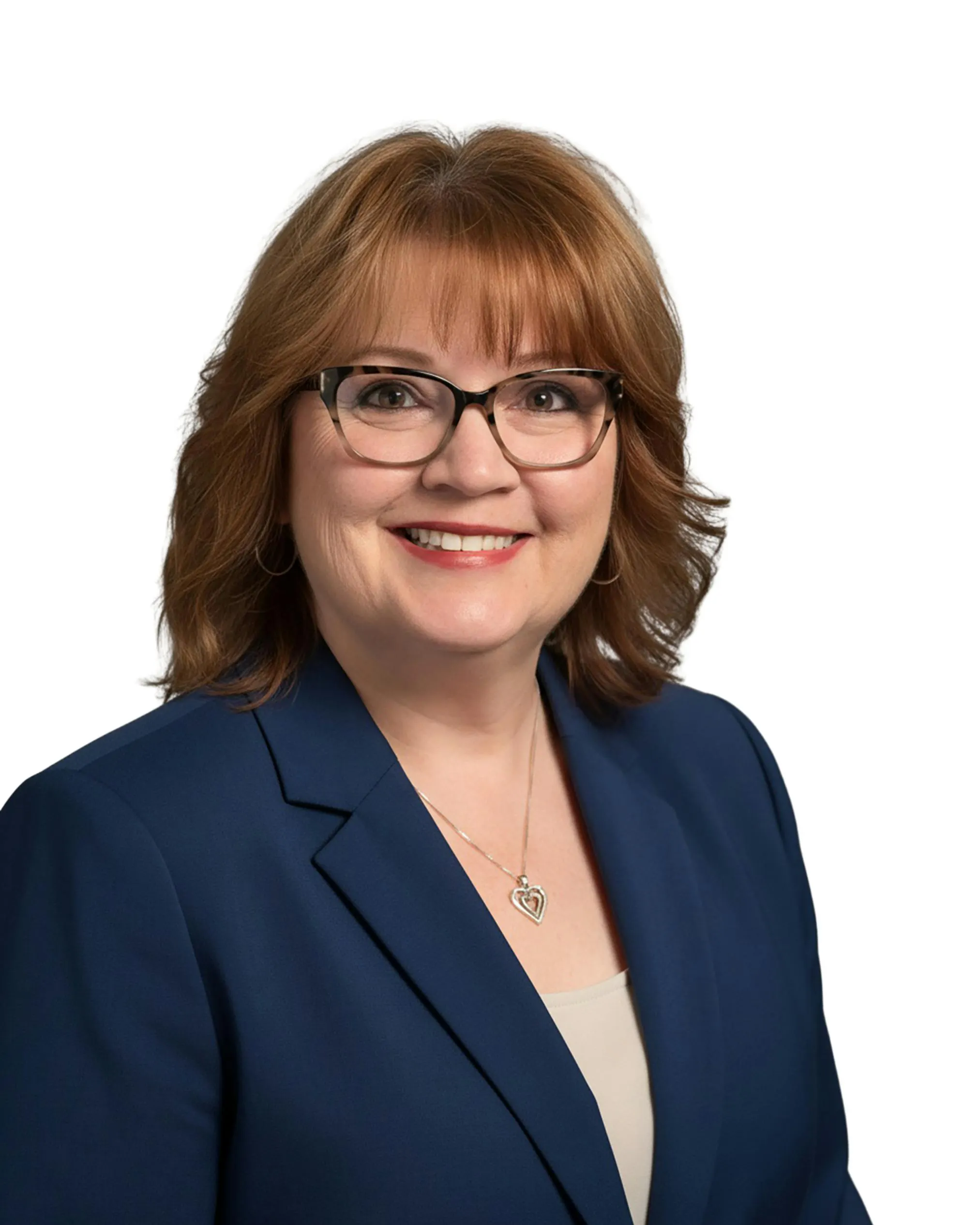
For more than 11 years, Carol has worked with the Colorado Coalition for the Homeless, which delivers an array of services—including medical, dental, vision, pharmacy, behavioral health, medically assisted therapy, housing, and additional support resources—to those experiencing homelessness within the state. Each year, the coalition serves approximately 9,600 dental patients.
A heart for the homeless
Homelessness is rarely a voluntary choice. The consequences of inadequate nutrition, addiction, limited access to clean water, and unstable living conditions are visibly reflected in patients’ oral health. Many individuals face feelings of embarrassment and fear, frequently encountering obstacles in their pursuit of relief from pain, anxiety reduction, and restoration of oral health. It is within these circumstances that Carol’s enthusiasm for the profession is ignited.
What inspires Carol the most is the opportunity to remove barriers and restore dignity. Her work has afforded her the privilege of practicing in diverse settings—ranging from standard dental clinics, shelter-based locations, satellite sites, outreach mobile units, recuperative care centers, and integrated medical floors. This comprehensive approach allows Carol to meet clients where they are and ensures coordinated health-care delivery, alleviating the complexities often faced when navigating such systems.
The oral-systemic link
For the past seven years Carol has been working on a grant that explores the connection between diabetes, cardiovascular disease, and oral health, and the benefits of refining dental care for patients who have these diseases. Rarely are these diseases independent, and comorbidities exist. It’s hard enough for a housed patient to try to improve their oral and systemic health; homeless clients face even more difficult challenges.
Recently, Carol collaborated closely with a primary medical provider in developing a customized periodontal and restorative treatment plan for a patient whose goal was to lower their A1C from 10.0. Through comprehensive care, including regular point-of-care glucose testing, A1C and blood pressure monitoring, and seamless communication with the primary care provider—the patient successfully reduced their A1C to 7.0 over four months. Carol says that serving as a coach in this process was both an honor and a testament to the power of interdisciplinary collaboration.
Volunteering
Carol has volunteered for several years with Kids in Need of Dentistry (KIND), both as a board member and, this year, as cochair. She states, “Children are such a vulnerable population, and we as licensed dental professionals are in a prime position to help this population. Many need an outstretched hand to help them access the care that was previously unobtainable.” KIND is currently in a strategic restructuring phase to help fill in the gaps that lack of funding for nonprofits has created. By working on policy and procedures, and providing dental and screening services and social events for the entire community, KIND helps break down barriers to care.
Continued growth
Carol’s personal experience of homelessness as a child for six years has deepened her appreciation for education and professional growth. She is grateful for the opportunity to earn a master’s degree, serve as a Cavity Free at Three trainer for the Colorado State Department of Health, act as a diabetes program manager, a CPR instructor, a volunteer, and serve as a cochair/board member for Kids in Need of Dentistry.
In 2026, Carol will direct greater focus on pediatric and senior populations, continuing to embrace new challenges and opportunities for growth. She states, “Dental hygiene offers limitless potential for those who persistently strive for professional development and advancement.”
When Carol is not directly involved in her professional and volunteer pursuits, she often finds time to nurture her body and mind in the beautiful Colorado outdoors, hiking with her husband and dog. “Mountain views never get old,” she says. “Colorado is truly an outdoor paradise!”
Even after 31 years in the field, Carol’s dedication remains steadfast. As long as there is a need for compassionate and innovative dental care, Carol will be there to advocate for the most vulnerable populations.
Lindsey Vizcay, BSDH, RDHAP, RDH, RDAEF2: Trust before treatment
As a registered dental hygienist in alternative practice, Lindsey Vizcay has built her career around a simple but radical belief: Access to oral health care should not depend on someone’s ability to tolerate a traditional dental office. She is the founder of Home Sweet Hygiene, a portable, community-based practice delivering preventive and therapeutic services directly to those who would otherwise go without—children in schools and Head Start programs, adults with developmental disabilities, medically fragile individuals, foster youth, seniors with cognitive decline, and patients whose anxiety or behavioral needs make conventional settings overwhelming. Many of her patients have been unintentionally excluded by a system never designed for them. Lindsey saw that gap and stepped into it.
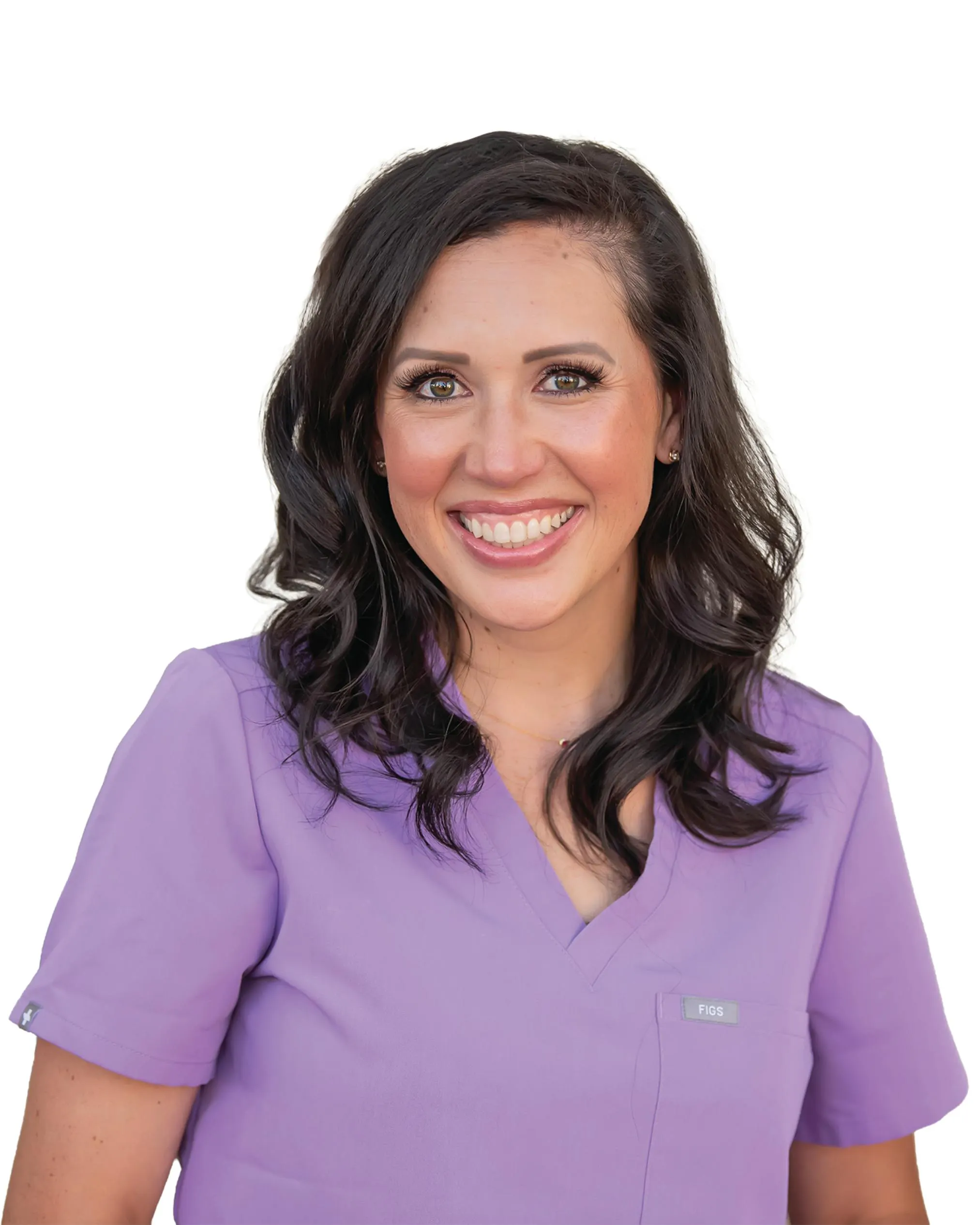
Lindsey’s portable model brings assessments, periodontal care, sealants, fluoride treatments, and minimally invasive services into environments where patients already feel safe. In classrooms, living rooms, group homes, and community spaces, care becomes less intimidating and more human. She believes that prevention should not hinge on transportation barriers, a caregiver’s ability to take time off from work, or a patient’s tolerance for sensory overload.
Adapting care to the person
For many of Lindsey’s patients—children with sensory differences, adults with developmental disabilities, seniors with memory challenges, and individuals with severe anxiety—the environment itself is part of the treatment. She adjusts accordingly—slowing down and listening.
Sometimes that means sitting on the floor beside a child before ever picking up a mirror. Sometimes it means explaining each sound and sensation before it happens. Sometimes it means completing care in small, patient-led steps over time. Lindsey adjusts her hands to match what her heart already knows: trust comes before treatment.
One experience continues to shape Lindsey’s work. An adult patient with special health-care needs had only received dental treatment under sedation. Office visits ended in distress, and care had become synonymous with anesthesia.
When Lindsey met him in his home, she began not with instruments, but by building trust, establishing conversation with caregivers, gentle desensitization, and allowing the patient to observe her equipment without pressure.
Over time, small milestones were reached. A mirror … polishing … and eventually, a full prophylaxis—awake, calm, and, for the first time, without sedation.
The patient’s caregiver quietly shared that they had never imagined it possible. Lindsey saw it differently: this is what happens when care adapts to the person instead of forcing the person to adapt to the system.
Beyond the chair
Lindsey extends her impact through public speaking, mentorship, and community outreach. She educates parents, caregivers, educators, and dental professionals about expanding access to care for individuals with special health-care needs and rethinking traditional delivery models. Presenting at disability conferences, resource fairs, special needs parents nights, and elder-focused events, she challenges audiences to see oral health access not as a convenience, but as a responsibility.
She also mentors hygienists interested in expanding beyond the traditional operatory model, encouraging them to reimagine dental hygiene care. She reminds them that courage and compassion can coexist with clinical excellence.
Lindsey also serves as a dental coordinator for one of California’s regional centers, supporting individuals with developmental disabilities in navigating access to dental care. She collaborates with families, service coordinators, medical providers, and dental offices to reduce barriers and coordinate sustainable treatment. She understands funding pathways and interdisciplinary systems—but never loses sight of the individual behind each referral.
Empathy and commitment
Hygienist Aleah Diemand, who nominated Lindsey for the Heart to Hands Award, shares, “Lindsey represents the future of oral health access. She is innovative and brave. Deeply competent, deeply kind, and deeply committed. She elevates the entire field simply by doing what needs to be done—especially when it’s inconvenient or unseen.”
Motherhood has deepened Lindsey’s empathy and strengthened her commitment to creating gentler, more inclusive health-care experiences. It reminds her that behind every patient is someone’s child, someone’s parent, someone’s whole world.
For Lindsey, the work is about presence. It is about meeting people where they are—literally and emotionally. It is about restoring not only oral health, but trust. Through skilled hands and an unwavering heart, she is reshaping what access to care can look like—one home, one classroom, one patient at a time.
Editor's note: This article appeared in the April/May 2026 print edition of RDH magazine. Dental hygienists in North America are eligible for a complimentary print subscription. Sign up here.
About the Author
 Kirsten Brancheau, BA, RDH
Kirsten Brancheau, BA, RDH
Kirsten Brancheau, BA, RDH, practiced clinical dental hygiene from 1978 until her retirement in 2025. She continues to work occasionally as a temp. Kirsten earned an associate’s degree in applied science in dental hygiene from Union County College and a bachelor of arts degree in English literature from Montclair State University. She is a member of the American Dental Hygienists’ Association. Kirsten is also a freelance proofreader, editor, and writer. She can be reached at [email protected].