The importance of psychological safety and lifelong learning
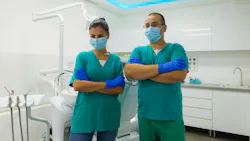
Entering the profession of dental hygiene brings a mix of emotions: excitement, nervousness, celebration, and anticipation. What can be harder to acknowledge, however, is the self-doubt or lack of confidence that often accompanies those early days as a new graduate. One of the most meaningful steps a new hygienist can take to ease this transition is to seek out a mentor.
A trusted mentor provides a safe space for questions about complex cases, workplace dynamics, and ethical dilemmas. Mentorship builds confidence, strengthens clinical judgment, and supports professional growth. There is something powerful about this relationship coming full circle—when experienced hygienists cycle into the next generation.
Why mentors matter
The transition from student clinician to licensed provider can feel overwhelming. In school, we learn to complete comprehensive assessments—oral cancer risk screening, caries risk assessment, periodontal evaluation, and identification of barriers to care—often within extended clinical appointments that allow time for detailed documentation and reflection. In a private practice, those same standards of care remain essential, but the structure looks different. Four-hour student clinics become hour-long recall visits. Documentation systems change.
New technologies and charting software require adaptation. The responsibility remains the same, yet the time frame tightens. Learning to deliver thorough, evidence-based, patient-centered care within a condensed appointment is a significant professional adjustment—and it is entirely normal to feel that weight.
As newly licensed hygienists begin practicing independently, mentorship becomes especially important. The 2026 Dental Hygiene Survey by DentalPost notes that “the workforce is aging. More than a quarter (28%) plan to retire within five years.”1
Passing the torch
This shift creates a valuable opportunity for newer hygienists to learn from experienced colleagues and help ensure a seamless, positive experience during this transition. Now is an ideal time to seek mentors who reinforce the strong habits you built in school and who model ethical, comprehensive care. Ask practical questions about time management, documentation, and clinical decision-making. Remember that the entire process of care—not just instrumentation—matters. Licensure brings autonomy, and with that autonomy comes responsibility. The choices you make every day affect your patients’ health and your professional integrity.
Seasoned hygienists, in turn, have a meaningful opportunity to mentor the next generation by listening carefully and leading with an open mind. People tend to learn more, grow socially, and perform at their best when mentors talk to them in a way that is supportive, collaborative, and autonomy‑building rather than controlling or dismissive. Psychological safety—where mentees feel safe asking questions, sharing concerns, and making mistakes without fear of embarrassment or criticism—is essential to this kind of mentoring relationship.2
Growth is essential in our profession because the field continually advances. Many new hygienists are graduating with up‑to‑date knowledge of the latest products, technologies, and evidence‑based best practices. Lifelong learning sits at the heart of a strong mentoring relationship and benefits both mentor and mentee. By staying current with continuing education and engaging with topics that challenge “the way we’ve always done it,” experienced hygienists can better connect with and guide new professionals entering the field.
How you can thrive in your practice today
Each year in practice, challenge yourself to learn something new, refine a skill, or deepen your understanding. Aim to see each person you meet—patients, colleagues, and mentors—as someone who is carrying a piece of insight or experience that can enrich your practice. When we stay curious and receptive, we not only grow as clinicians, but also strengthen our profession.
We can always learn from one another. Trust your internal compass and uphold the standards you were trained to value. Encourage one another, and when you are able, extend the same guidance and support to someone newer than you. That is how we strengthen our profession—one relationship, one decision, and one patient at a time.
Editor's note: This article appeared in the June 2026 print edition of RDH magazine. Dental hygienists in North America are eligible for a complimentary print subscription. Sign up here.
References
-
2026 dental hygienist salary report. DentalPost. 2026. https://www.dentalpost.net/salary-survey/dental-hygienist-results/
-
Why is psychological safety vital in mentor relationships? Sustainability Directory. December 9, 2025. https://lifestyle.sustainability-directory.com/question/why-is-psychological-safety-vital-in-mentor-relationships/
About the Author
 Kelsey Miller, MS Ed, RDH
Kelsey Miller, MS Ed, RDH
Kelsey Miller, MS Ed, RDH, empowers dental hygiene students and professionals to grow in confidence and purpose. As a Gallup Certified Clifton Strengths Coach, she mentors with passion and authenticity, encouraging others to set bold goals and exceed them. With over 20 years in clinical practice and dental education, plus experience as a CPR and first aid instructor, she designs engaging, industry-connected learning experiences. Kelsey values mentorship, networking, and confidence as foundations for lifelong professional growth.