Things to look forward to after graduation
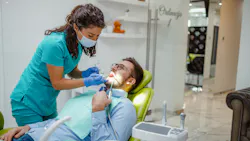
As graduation from dental hygiene school approaches, it often feels like a mix of excitement and fear of the unknown. Like all new graduates, you’ve mastered how to be a successful student. You’ve learned how to study, how to take exams, and how to navigate the system of higher education, but then suddenly that chapter closes. There are no exams hanging over your head, no late-night study sessions, no constant pressure of competency check-offs. In many ways, this creates space to rediscover parts of yourself that may have been on pause, hobbies, family time, creativity, or simply rest.
But stepping into the workforce? That’s a completely different experience.
You are not behind, you are stepping into something new
Just like your first semester in college, there is a learning curve—which is not only normal, but also expected. With that transition comes a few key realities that often surprise new RDH graduates.
First, you will notice that treatment costs are higher than what you saw in school clinics. Patients in private practice are paying for comprehensive, high-quality care, and they expect transparency and professionalism. One of the biggest mindset shifts is realizing that it is not your role to “save” patients money or minimize treatment. Your role is to assess, educate, and present the care that is clinically needed. From there, patients can decide what works best for their goals, priorities, and budget.
This can feel very different from school, where you may have felt pressure to find patients willing to come in so you could complete requirements and gain experience. In private practice, the dynamic shifts; patients are choosing to come see you because they value their oral health and are seeking your expertise and care.
Another major shift is your schedule. In school, you likely spent a lot of time trying to find patients and convincing them to come in. In practice, it is the opposite. Patients are calling to get in, and your time becomes valuable. Many offices even implement no-show fees, something rarely seen in school settings.
On that note, your schedule is more than just a calendar—it directly supports the entire dental practice. A full hygiene schedule drives the restorative side of the office. While a front office team may assist with scheduling, it becomes your responsibility to help maintain a strong recare system by encouraging patients to pre-appoint. The difference now is simple: patients want to be seen and value your work. Perhaps one of the most meaningful changes is the level of trust patients place in you. As a student, patients may have been hesitant, knowing you were still learning. As a licensed professional, that perception shifts. Patients begin to see you as a trusted provider and a valuable partner in their oral health.
This change in balancing more aspects of the dental hygiene field can be overwhelming right after graduation, but this is where the beauty of dental hygiene truly is. After graduation, there is a new frontier to be explored. Dental hygiene school primarily prepares you to pass your boards, so you now have the capacity and responsibility to take control of your professional development.
You also have the opportunity to determine what kind of provider you want to be. You can engage in different subspecialties of focuses within clinical dental hygiene. Some different subspecialties include patient education, geriatrics, pediatrics, periodontal care, caries, airway, radiographs, caries prevention, restorative or Botox (where legal), and so much more.
While these opportunities are exciting, many new graduates quickly realize that school primarily focused on helping students meet clinical requirements, often completing a prophy in three hours or an FMX in 30 minutes rather than preparing them for the pace, efficiency, and specialization expected in private practice.
Hygiene schools rarely covered these topics in depth and even less provide opportunities to actually implement subspecialties into your clinical care during school. That is the beauty of being a practicing dental hygienist. You now have the autonomy to try out different things and experiment with different aspects of dental hygiene and see what resonates the most with you.
A word of caution
It is difficult for a hygienist that relies primarily on their dental hygiene school education as the main source of clinical instruction to find great fulfillment in clinical dental hygiene. It is imperative that we actively seek out educational experiences after graduation. As a student, you were assigned certain classes that you were required to complete in order to graduate. But now as a licensed professional, you are still required to continue to learn to maintain your license, but here lies the great difference. You are in charge ofyour education after school. You are no longer assigned anatomy of embryology classes that do not resonate with you.
Investing in high quality continuing education (CE) is a key factor in developing your professional identity after graduation. At these different CE events you have the ability to decide what topics you want to learn most and in turn what subspecialties of dental hygiene you want to include in your own professional identity.
If everything mentioned above didn’t get you more excited about your new life as a professional, here are some more things to look forward to after graduation:
-
Building real confidence in your clinical skills over time
-
Developing your own patient communication style
-
Creating lasting relationships with patients
-
Learning what type of practice environment fits you best
-
Having the flexibility to work in different settings, private practice, public health, and mobile care
-
Exploring specialties or niche interests within dental hygiene
-
Earning respect as a healthcare professional
-
Having the opportunity to continue learning without the pressure of grades
-
Discovering your voice within the profession and advocating for what you believe in
Graduation is not the finish line; it’s the starting point. There will be moments where you feel unsure, and moments where you feel incredibly proud. Both are part of the process. Give yourself permission to grow into this new role. Just like you learned how to succeed in school, you will learn how to succeed in practice.
And before long, you won’t feel like a new graduate anymore—you’ll feel exactly where you’re meant to be. This transition is not about being perfect, it is about growing into your role. With time, confidence, and experience, you will find your rhythm and begin to thrive in ways that go far beyond the classroom.
About the Author
 Shelley Brown, MEd, BSDH, RDH, FADHA
Shelley Brown, MEd, BSDH, RDH, FADHA
Shelley is a dental educator, speaker, content creator, and mobile clinician dedicated to advancing accessible and innovative dentistry. As co-owner of HYGIENE edgeUCATORS, she empowers dental educators through professional development. Since 2009, she has taught at the Utah College of Dental Hygiene and founded Homebound Smiles, a mobile dental practice serving underserved patients. She received the 2026 Sunstar World Dental Hygienist award for her work in public health. You can find her on social media as Shelley_The_Hygienist and at www.shelley.dental.
 Matthew Bradley, AAS, RDH
Matthew Bradley, AAS, RDH
Matthew Bradley, AAS, RDH, is a 2024 graduate of Fortis College’s dental hygiene program. As a new graduate, he is passionate about prevention and dedicated to elevating the profession of dental hygiene. Known on social media as @the_guygienist, Matthew uses his platform to inspire fellow hygienists to pursue more from their careers, expand their opportunities, and embrace leadership within the profession.
He is currently advancing his education through Idaho State University’s master’s program, where he continues to grow his knowledge and vision for the future of dental hygiene. With a strong commitment to professional growth and innovation, Matthew strives to empower hygienists to see beyond the operatory and make a lasting impact on the communities they serve.