RDH Mobile: The RDHAP model in California
Key Highlights
- Mobile dental hygiene and independent practice models are expanding access to preventive care for underserved populations, including homebound patients, children, seniors, and individuals with special needs.
- California’s RDHAP model allows qualified hygienists to provide care in community settings while building collaborative relationships with dentists and other health-care providers.
- Mobile practice offers hygienists new opportunities for entrepreneurship, leadership, and patient-centered care, while helping overcome barriers that prevent many patients from receiving routine oral health services.
Maybe you, too, have had a patient like the one who changed everything for California dental hygienist Lindsey Vizcay, BSDH, RDHAP, from her business Home Sweet Hygiene. For Lindsey, her “why” came from witnessing the enormous gaps in access to oral health care, especially for children, individuals with special needs, and elderly populations who often struggle to obtain routine dental services. Early in her career, she cared for a patient who had gone years without dental treatment due to severe mobility and medical complexities. It was not that the patient did not want care. The issue was that they simply could not access it.
That experience stayed with her and completely shifted how she viewed her role as a dental hygienist.
“I began to realize that for so many people, the barrier is not motivation; it is access, comfort, and feeling safe,” Lindsey explained.
That realization eventually led her into the world of mobile dental hygiene care and the Registered Dental Hygienist in Alternative Practice (RDHAP) model in California.
Independent and collaborative dental hygiene practice models
Today, more states are beginning to explore ways to expand access to preventive oral health care through independent and collaborative dental hygiene practice models. Although every state looks different in terms of supervision laws and scope of practice, the mission remains the same: bringing care to populations that might otherwise go without it. Hygienist-owned mobile and portable dental hygiene is not simply a trend. It is becoming an increasingly important part of improving access to oral health care across the country.
Meeting patients where they are
One of the most powerful aspects of mobile hygiene care is the ability to meet patients where they are, both physically and emotionally. Traditional dental offices can present significant barriers for many individuals. Children with sensory sensitivities, elderly patients living in care facilities, medically complex individuals, and patients with severe dental anxiety may struggle to tolerate or access conventional dental settings.
Mobile care changes that dynamic entirely.
“Whether that is a child in a classroom, a patient in their home, or someone who has fear or anxiety around traditional dental settings, I am able to bring care to them in a way that feels more supportive, personalized, and human,” Lindsey shared.
For many patients, this approach creates a level of trust and comfort they may never have experienced before in health care. It also reminds providers that preventive care can happen far beyond the walls of a traditional operatory.
California’s RDHAP model
California’s RDHAP model includes two primary pathways for practice. A portable RDHAP is generally limited to providing care independently within the settings authorized under California law, such as residences, schools, residential care facilities, and other designated public health settings. Another pathway allows an RDHAP to maintain a physical office or facility located within a federally designated Dental Health Professional Shortage Area (DHPSA/HPSA). In those settings, the RDHAP may generally provide services to patients seeking care at that facility location.
Regardless of the practice model, all RDHAPs must maintain collaborative relationships with dentists for referral, consultation, and emergency services. Additionally, becoming an RDHAP requires advanced education, additional licensure, and clinical experience beyond a traditional dental hygiene license. This model has opened new opportunities for hygienists to own preventive-hygiene-focused businesses.
Impacting the community
As more states evaluate workforce shortages and barriers to care, conversations surrounding expanded practice models for dental hygienists continue to grow. Many hygienists may never have imagined themselves in entrepreneurial or independent health-care roles before. However, mobile care is creating entirely new pathways for clinicians who want to make a broader impact within their communities.
Challenges
Still, Lindsey openly acknowledges that the work comes with challenges.
“The hardest part is wearing all the hats,” she explained.
In mobile dentistry, providers are not only clinicians. They are also business owners, coordinators, marketers, schedulers, and advocates. Portable care also comes with a level of unpredictability such as travel logistics, transporting equipment, working in unfamiliar environments, and coordinating care with caregivers or facilities all add additional complexity to the workday.
Starting a mobile hygiene business
Yet despite those challenges, Lindsey believes the impact far outweighs the difficulties. As the saying goes, how do you eat an elephant? One bite at a time. For hygienists interested in starting a mobile dental hygiene business, Lindsey Vizcay and dental hygienist Shelley Brown recommend starting with a strong foundation and understanding that growth happens step by step.
Some important first steps may include:
- Research your state’s dental hygiene practice act and supervision requirements.
- Determine whether your state requires additional permits, licenses, certifications, or collaborative agreements for practice.
- Complete any required education, clinical training, or experience requirements established by your state board.
- Apply for and maintain professional liability (malpractice) insurance.
- Establish your business entity and complete any required state or federal business registrations.
- Obtain an NPI number and establish yourself as a health-care provider if applicable.
- Enroll with insurance providers, Medicaid, or third-party payers if desired.
- Build referral relationships and collaborative networks with dentists and other health-care professionals as required by state law.
- Invest in the clinical or portable equipment necessary to provide patient care safely and effectively.
- Maintain compliance with infection control standards, OSHA, HIPAA, documentation, and state regulatory requirements.
Mobile dental hygiene is redefining what preventive oral health care can look like in modern health-care delivery. For patients who are homebound, medically complex, fearful, or underserved, mobile providers may represent the only realistic pathway to receiving consistent oral health care.
For hygienists, these models open doors to leadership, advocacy, entrepreneurship, and deeper patient relationships that many never imagined possible. Your future of dental hygiene may not always exist inside a traditional private practice operatory. Sometimes, it looks like a dental hygienist carrying portable equipment into a classroom, a nursing facility, or a patient’s home, meeting people exactly where they are and reminding them that they deserve access to compassionate care.
Additional reading:
- Mobile RDH: A new era of autonomy in dental hygiene
- Mobile RDH: Expanding services in autonomous dental hygiene
- Mobile RDH: Starting a mobile dental hygiene business
Editor’s note: This article first appeared in RDH eVillage newsletter, a publication of the Endeavor Business Media Dental Group. Read more articles and subscribe.
About the Author
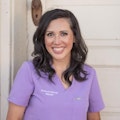 Lindsey Vizcay, BSDH, RDHAP
Lindsey Vizcay, BSDH, RDHAP
Lindsey Vizcay, BSDH, RDHAP, is a speaker and advocate dedicated to improving access to compassionate and inclusive oral health care. As founder of Home Sweet Hygiene, a portable dental hygiene practice based in Northern California, she provides preventive care to children, individuals with special health-care needs, seniors, and underserved populations in homes, schools, residential facilities, and community settings. Lindsey is passionate about redefining how dental care is delivered by meeting patients where they are and creating supportive, individualized experiences that prioritize comfort, trust, and accessibility. She also partners with community organizations, schools, and health-care professionals to expand oral health education and preventive services throughout her community.
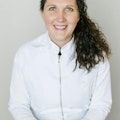 Shelley Brown, MEd, BSDH, RDH, FADHA
Shelley Brown, MEd, BSDH, RDH, FADHA
Shelley is a dental educator, speaker, content creator, and mobile clinician dedicated to advancing accessible and innovative dentistry. As co-owner of HYGIENE edgeUCATORS, she empowers dental educators through professional development. Since 2009, she has taught at the Utah College of Dental Hygiene and founded Homebound Smiles, a mobile dental practice serving underserved patients. She received the 2026 Sunstar World Dental Hygienist award for her work in public health. You can find her on social media as Shelley_The_Hygienist and at www.shelley.dental.