2026 GUM/RDH Award of Distinction
Key Highlights
- Melissa Calhoun—Research: Identifies gaps in anticipatory guidance and uses research to strengthen early childhood oral health prevention.
- Lisa Curbow—Full-time clinician: Advances compassionate, sensory-friendly care for patients with special health-care needs.
- Karen Davis—Entrepreneur: Turned a bold career vision into a thriving CE platform while inspiring dental professionals through personal resilience.
- Marion Manski—Academia: Has spent four decades mentoring hygienists, advancing education, and advocating for the profession’s growth and scope.
- Kaila Mooney—Public health: Restored preventive dental services for underserved children through school screenings, fluoride treatment, and community partnerships.
- Richard Robinson—New RDH: Combines patient care, mentorship, and outreach to create pathways for the next generation of diverse dental hygienists.
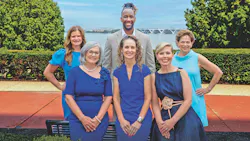
This is a BIG year as it marks the 25th anniversary of the GUM/RDH Award of Distinction. GUM, formerly known as Sunstar, has gone back to its original name, which stands for Gentle Uletic Massage.
I love words, but I’d never heard of the word uletic, so I looked it up. It simply means “of or relating to the gums.” Gentle Uletic Massage, or GUM, is an appropriate name for a company whose history goes back to 1923 when Dr. John O. Butler introduced a two-row toothbrush and later a round rubber tip on the end of a toothbrush, both intended to gently clean and massage the gums.
This year also marks RDH magazine’s 45th anniversary. In 1981, its first editor, Dr. Irene Woodall, was asked why she chose dental hygiene as a career. She replied:
“My direct response is family pressure. It was important to my parents that I have some sort of profession or trade so that I would never have to be totally dependent upon a husband. I’ve heard many of my colleagues describe their career choice as ‘something to fall back on if my husband turns out to be an alcoholic.’ Dental hygiene became the logical choice for my parents to suggest to me ...”
Fast forward to 2026 and dental hygiene is a respected career choice, no longer considered “something to fall back on.” Dental hygienists are clinicians, researchers, entrepreneurs, academics, public health professionals, and more.
Together, GUM and RDH magazine present the annual Award of Distinction to outstanding dental hygienists who exemplify the many career paths a dental hygienist can take. But each of those different paths leads to one ultimate goal: to provide oral and systemic health care to everyone.
Let’s meet the six recipients of the 2026 GUM/RDH Award of Distinction.
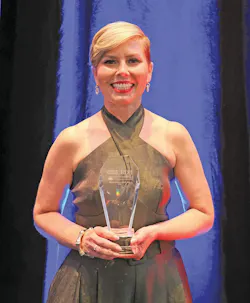
Research
Melissa Calhoun, MSDH, RDH
Melissa Calhoun’s greatest achievement in research has been the successful design, validation, and publication of a national study applying the theory of planned behavior to dental hygiene practice. Her study, Dental hygienists’ intentions to provide anticipatory guidance recommendations: Application of the theory of planned behavior, examines the behavioral, normative, and control beliefs that influence dental hygienists’ intentions to provide anticipatory guidance (AG) to expecting parents and caregivers of infants and toddlers.
Anticipatory guidance includes evidence-based counseling on establishing a dental home by age one, reducing cariogenic carbohydrate exposure, and addressing nonnutritive habits such as pacifier and thumb-sucking. Melissa states, “These early conversations are critical to preventing early childhood caries and promoting healthy oral development. However, my findings demonstrated that although hygienists often discussed diet and oral habits, they were less consistent in emphasizing the importance of the first dental visit by 12 months. By identifying this gap, my research provides a clear target for educational and clinical intervention.”
Melissa’s research provides an evidence-based road map for change. Rather than relying solely on additional information dissemination, she demonstrates that improving confidence, strengthening professional norms, and enhancing advanced education pathways may have a greater impact on preventive practice behaviors.
As a dental hygiene educator, Melissa is actively integrating AG training into curriculum design, emphasizing the early establishment of a dental home by age one, dietary counseling, and prevention of early childhood caries. By strengthening students’ confidence and clinical communication skills, Melissa is preparing future hygienists to provide consistent, evidence-based preventive counseling.
When caregivers receive timely, evidence-based guidance, children experience fewer preventable diseases, reduced treatment burden, and improved long-term oral health outcomes. Melissa’s work bridges research, education, and practice to create measurable impact at the patient level.
Beyond the classroom, Melissa has shared these findings through professional presentations and continuing education programs, equipping practicing hygienists with strategies to overcome perceived barriers and strengthen their role in infant and perinatal oral health. This has fostered a culture of prevention within local and regional professional networks.
Additionally, Melissa’s work supports interdisciplinary collaboration. By reinforcing the importance of early referral and caregiver education, she helps align dental providers, pediatricians, and public health initiatives. These efforts promote earlier intervention, reduce disease burden, and support healthier outcomes for families.
Ultimately, Melissa’s impact extends from research to real-world implementation. By identifying barriers, strengthening provider confidence, and promoting AG as a standard of care, she has helped shift preventive oral health conversations earlier in a child’s life. This benefits not only individual patients but also the broader community by reducing preventable disease and advancing a prevention-focused model of care.
Beyond academia, Melissa is proud of her role in elevating the professional voice of dental hygienists. Through leadership, speaking engagements, and professional advocacy, she has worked to position hygienists as essential preventive specialists within the health-care system. Melissa says, “Seeing colleagues adopt evidence-based anticipatory guidance practices and hearing that my research or presentations influenced their clinical conversations has been deeply meaningful.”
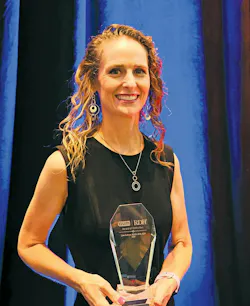
Full-time clinician
Lisa Curbow, BAAS, RDH, CDP
Lisa Curbow has over 27 years of clinical experience, including 17 years devoted to patients with special health-care needs. As a certified dementia practitioner and published author of clinical resources, she is recognized for clinical excellence, compassionate care, and expanding access to care. She demonstrates leadership through advocacy, evidence-based practice, and advancing inclusive, patient-centered care, while supporting caregivers and helping dental teams create more accessible, sensory-friendly environments.
Lisa has dedicated her career to improving the dental experience for patients who are often underserved or misunderstood in the traditional office setting. In her daily practice, she regularly cares for individuals with intellectual and developmental disabilities and sensory processing challenges. Many of these patients and their families have struggled to find dental providers who feel confident meeting their needs.
Through patience, individualized communication strategies, and thoughtful adjustments to the clinical environment, Lisa works to create a safe and supportive experience for every patient who sits in her chair. By adapting her approach to each person’s unique needs, Lisa helps patients build trust and receive the care they deserve with dignity.
Lisa’s work also extends beyond the operatory. She spends time educating caregivers and family members on practical strategies to support daily oral hygiene at home. For patients with cognitive or developmental challenges, these small routines can make a meaningful difference in their comfort, health, and overall quality of life. She says, “Every patient interaction is an opportunity to restore dignity, reduce fear, and ensure individuals with complex needs receive compassionate, respectful care.”
Lisa also believes that education is an important part of improving access to care. Through professional lectures, articles, and educational programs, she shares practical strategies to help dental professionals feel more confident working with patients with special health-care needs.
In addition to her professional education efforts, Lisa uses social media platforms to help raise awareness about oral health, special health-care needs, and the challenges faced by caregivers and families. By sharing educational content and real-world insights, she aims to provide both dental professionals and the public with practical information that promotes understanding, compassion, and better oral health.
One of Lisa’s greatest achievements as a clinician has been helping patients who previously could not tolerate dental care gradually succeed in receiving complete preventive treatment. She recalls one patient in particular who initially could only tolerate having his teeth gently brushed during appointments. Through patience, perseverance, and adapting her approach to his sensory needs, Lisa slowly built trust over time. She introduced small steps that allowed him to become comfortable with new sounds, sensations, and instruments. Today he is able to tolerate all aspects of a preventive hygiene visit, including ultrasonic instrumentation and air polishing.
Lisa states, “Watching this progression has been incredibly meaningful. What once felt impossible for this patient is now a successful and comfortable dental visit. Moments like this represent the heart of my work as a clinician. By taking the time to understand each patient’s unique needs and adjusting care accordingly, I help patients gain confidence, reduce fear, and access dental care they might otherwise go without.”
Through lectures, professional writing, social media education, and mentorship, Lisa shares the knowledge she has gained with other dental professionals, helping clinicians feel more confident in treating patients with special health-care needs.
Lisa says, “If more dental professionals feel prepared to care for these patients, access to compassionate and appropriate dental care will continue to grow, benefiting patients, families, and communities.”
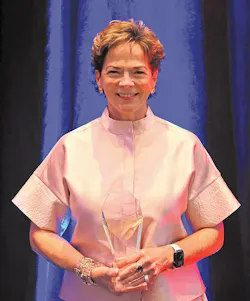
Entrepreneur
Karen Davis, BSDH, RDH
Karen Davis built a flourishing career in private practice and consulting, but for years, she harbored a quiet ambition: to transition from a full-time dental hygienist to a premier industry speaker. Despite her initial fears that the travel required for a speaking career would conflict with her family life, Karen chose to dismantle those obstacles rather than be defined by them. With the encouragement of family and friends, she took a leap of faith in early 2000, reducing her clinical schedule to one day a week and sacrificing a guaranteed salary to launch her own company from scratch. She spent months interviewing entrepreneurs, studying industry leaders, and refining a business plan fueled by sheer tenacity.
The result of that courage is the development of her continuing education company, Cutting Edge Concepts. Instead of letting fear halt her dream when it felt impossible, her business has become a powerful platform designed to educate, motivate, and challenge colleagues in the dental profession.
Her journey into high-level consulting began in 1993 after her own clinical approach was revolutionized by the JP Institute. Inspired by their comprehensive curriculum, she spent the next decade traveling across North America as a private practice consultant.
Today, Karen’s programs are built upon this rich backdrop of private practice consulting, diverse patient experiences, and a relentless pursuit of scientific evidence. She is celebrated for delivering content with passion, humor, and relatable storytelling. Her programs empower professionals to reject the status quo, teaching them how to integrate health education into clinical care, navigate life’s stressors, and utilize novel technologies to replace antiquated approaches.
Karen’s greatest professional achievement is deeply personal. In 2021, she and her husband, David, mapped out a plan to retire together in 2023. Their story began in 2002, when they blended their families as single parents. However, their lives changed in 2008 when David was diagnosed with a rare neuroendocrine pancreatic cancer. Together, they navigated a grueling 14-year cancer journey that included a multiorgan transplant in 2013, granting David nine “bonus” years of life.
Inspired by David’s resilience in the face of pain and uncertainty, Karen developed a new course titled Making lemonade and other strategies to navigate life’s adversities. This program was intended to be her career “swan song,” scheduled for the 2023 Chicago Midwinter meeting as a way to give back to colleagues by sharing lessons learned from David’s example on rising above life’s challenges.
Tragically, David passed away on November 13, 2022, just months before their scheduled retirements. Amid profound grief, Karen faced the seemingly impossible task of delivering an inspirational message. Yet, on February 22, 2023, she stood before hundreds of attendees in Chicago and delivered her Lemonade program with raw authenticity, applying the recipe for making lemonade from her personal experience of grief and loss.
That day became a turning point. The delivery of that message was so profound that Karen chose not to retire and created an additional program highlighting oral considerations for transplant recipients. Today, Lemonade remains one of her most requested topics, serving as a powerful testament to her commitment to her profession and her late husband’s legacy.
For Karen, the podium is where her professional expertise and personal mission converge, proving that a big dream, followed by a clear plan, can not only transform an entire career, but also impact the lives of countless others.
Academia
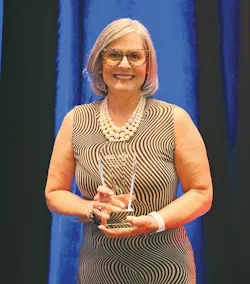
Marion Manski, MS, RDH
For more than four decades, Marion Manski has shaped individual lives through her unwavering commitment to dental hygiene education, mentorship, and advocacy. From her early years as a clinical instructor at the University of Maryland to her current role as director and associate professor at Virginia Commonwealth University, Marion has consistently placed students, colleagues, and the profession at the center of her work.
She has guided thousands of dental hygiene students through rigorous didactic, clinical, and professional preparation—teaching foundational instrumentation, pain control, evidence-based practice, leadership, and public health.
Beyond the classroom, Marion has advised students, graduate candidates, and new faculty as they navigated academic pathways, pursued advanced degrees, prepared for board examinations, and stepped into leadership roles. Her mentorship continues long after graduation, as she celebrates the successes of former students who have become faculty members, program directors, researchers, and association leaders.
Marion’s impact extends well beyond students. She has trained and calibrated faculty, developed continuing education programs, and supported dental hygienists across multiple states in gaining competencies in local anesthesia, nitrous oxide, laser therapy, and advanced practice. Through these efforts, she has empowered clinicians to practice to the fullest extent of their education and training.
Within her institutional communities at the University of Maryland School of Dentistry, the University of Bridgeport’s Fones School of Dental Hygiene, and Virginia Commonwealth University School of Dentistry, Marion has served as director, faculty leader, committee chair, and curriculum architect. She has strengthened admissions, progression, and curriculum systems; championed interprofessional education initiatives; mentored faculty; and supported learners from diverse backgrounds.
Her influence also extends into professional advocacy and public health. Marion has held leadership positions in state and national dental hygiene organizations, serving as president, delegate, legislative representative, committee chair, and trustee. She has testified before state and federal legislators on issues including expanded functions, local anesthesia, nitrous oxide, telehealth, NIDCR and HRSA funding, and access to care. Her advocacy has contributed to the advancement of dental hygiene scope of practice and improved access to oral health-care services.
As an educator and course leader, Marion has developed curricula integrating evidence-based practice, local anesthesia and nitrous oxide instruction, interprofessional education, public health, and competency-based assessment methods such as OSCEs. Her work has helped modernize dental hygiene education to better reflect contemporary practice and team-based patient care.
At the national level, Marion’s contributions through the ADEA Council of Allied Dental Program Directors and numerous committees, panels, and task forces have helped guide academic standards, admissions practices, and faculty development. She has presented extensively on innovative teaching methodologies, competency assessment, and interprofessional collaboration, serving as a model for programs seeking to strengthen academic rigor and relevance.
Marion is currently completing her third and final year on the ADEA Board of Directors as the only representative from allied dental programs. She has also served as president and legislative chair of the Maryland Dental Hygienists’ Association, trustee of the Connecticut Southwestern Dental Hygienists’ Association, legislative chair of the Connecticut Dental Hygienists’ Association, and a member of the Public Health and Professional Affairs Council of the Virginia Dental Hygienists’ Association. Nationally, she has contributed to numerous ADHA committees and initiatives.
Most importantly, Marion has remained a steadfast champion for dental hygiene as a respected, evidence-based profession. She takes pride in knowing that through her teaching, leadership, advocacy, and mentorship, the profession is stronger and better prepared for the future.
Public health
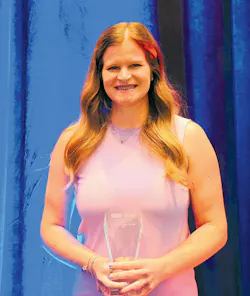
Kaila Mooney, RDH
Kaila Mooney has served as the clinical leader of the grant-funded Ronald McDonald Care Mobile. In that role, she coordinated and delivered preventive screenings to preschool-aged children across Arkansas, many of whom had never seen a dental professional.
When the grant funding ended, the program dissolved. Overnight, local preschools and Head Start programs across the region lost access to their dental screenings. In a state consistently ranked among the lowest in the nation for oral health, this created an immediate and profound gap in preventive care for children already at high risk for untreated decay.
Kaila refused to let that gap remain. Without compensation, without institutional backing, and without recognition, she chose to continue screening preschool children. On her days off from clinical dentistry, Kaila travels to schools, performs screenings, identifies urgent needs, and connects families to care. These screenings are often the first point of dental contact for children who are uninsured, underinsured, or living in communities with limited provider access.
Kaila’s work does more than identify cavities. She detects early signs of disease, provides parental education tailored to literacy level and cultural context, and prevents minor conditions from progressing into pain, infection, or emergency visits.
Recognizing that screenings alone were not enough, Kaila went further—partnering with a local dental distributor to secure donated fluoride varnish so children could receive preventive treatment at no cost to their families. This initiative ensured that care did not stop at identification; it moved immediately into intervention.
By securing supplies, coordinating school access, and providing both screenings and fluoride applications, Kaila restored an essential preventive health service pipeline. Her efforts have helped identify untreated decay early, reduce the likelihood of emergency visits, and connect families to local providers for follow-up care. For many children, this has been their first exposure to professional dental care in a safe, familiar environment.
Kaila’s work has also strengthened community awareness. Educators and administrators now recognize oral health as integral to school readiness and overall well-being. By stepping into a systemic void and mobilizing community resources, Kaila has reinforced the understanding that prevention is not optional—it is foundational.
Kaila’s greatest achievement is not simply the number of children screened—it is the continuity of care she has restored. She preserved a critical preventive infrastructure when formal systems withdrew. Through personal accountability, resource mobilization, and an unwavering commitment to health equity, she shifted what could have been a temporary service into an ongoing community expectation, demonstrating that public health impact does not necessarily end when funding does.
Because of her efforts, children continue to receive early detection, fluoride protection, and referral pathways to local providers. Educators and families maintain trust in preventive dental outreach. Most importantly, children who may otherwise have experienced untreated decay and preventable pain are reached early.
For Kaila, dental hygiene is more than clinical excellence—it is advocacy. Her greatest professional pride comes from knowing that she upheld the ethical foundation of her profession: to prevent disease, reduce disparities, and protect those who cannot advocate for themselves.
Her sustained commitment to the core values of public health dentistry—equity, prevention, and service above self—is the accomplishment of which Kaila is most proud. She encourages all hygienists to simply look into their community and volunteer where they can.
New RDH
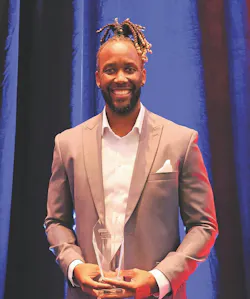
Richard Robinson, BS, RDH
As a new graduate dental hygienist, Richard Robinson believes the most meaningful impact hygienists can make happens through the relationships they build with patients and the opportunities they create for others to enter the profession. From the beginning of his career, Richard has approached dental hygiene not only as clinical care, but as a platform to improve health literacy, empower patients, and encourage others to enter the profession.
In his role as a clinical dental hygienist at Arkansas Family Dental in Little Rock, Richard focuses on individualized preventive care and patient education. Many patients arrive with dental anxiety or limited access to consistent dental care. By creating a supportive, judgment-free environment, Richard helps patients understand the connection between oral health and overall health while building the confidence to take ownership of their care. Seeing patients return motivated, healthier, and no longer fearful of the dental chair is one of the most rewarding aspects of his work.
Growing up in Pine Bluff, Arkansas, Richard did not see a clear pathway into health-care careers, which inspired him to create opportunities for young people to see themselves in a health-care profession. In 2023, he founded MY WHY, a nonprofit organization dedicated to improving oral health education and increasing awareness of careers in dental hygiene and allied health for students in underserved communities.
Through MY WHY, Richard mentors middle and high school students, provides oral health education, and connects students with resources to pursue careers in dentistry and health care. For many students, these conversations represent their first exposure to the profession of dental hygiene and the educational steps required to pursue it. By sharing his own journey and providing guidance, Richard aims to make these careers both visible and attainable.
As the organization grew, Richard also launched MY WHY University, a hands-on workshop designed to introduce students to the dental hygiene profession. The program provides an interactive learning experience where students gain exposure to the role of a dental hygienist, learn about preventive oral health, and better understand the educational pathway required to enter the profession. By providing this early exposure, the workshop helps students envision themselves pursuing careers in dental hygiene.
To further support students pursuing dental hygiene, Richard established the Richard Robinson Scholarship through the UAMS College of Health Professions Dental Hygiene Program. This scholarship helps reduce financial barriers for students from underrepresented communities entering the profession.
Through patient care, mentorship, and community outreach, Richard’s goal is not only to improve oral health today, but also to help create a stronger, more diverse tomorrow for the dental hygiene profession. He believes lasting change happens when education, access, and opportunity come together.
Richard says, “While I take pride in the clinical care I provide to my patients each day, the accomplishment of which I am most proud is helping ensure that the next generation of minority dental hygienists can see themselves in this profession, pursue it with confidence, and ultimately serve the communities that need them most.”
Congratulations to the six recipients of the 2026 GUM/RDH Award of Distinction!
Editor's note: This article appeared in the October 2026 print edition of RDH magazine. Dental hygienists in North America are eligible for a complimentary print subscription. Sign up here.
About the Author
 Kirsten Brancheau, BA, RDH
Kirsten Brancheau, BA, RDH
Kirsten Brancheau, BA, RDH, practiced clinical dental hygiene from 1978 until her retirement in 2025. She continues to work occasionally as a temp. Kirsten earned an associate’s degree in applied science in dental hygiene from Union County College and a bachelor of arts degree in English literature from Montclair State University. She is a member of the American Dental Hygienists’ Association. Kirsten is also a freelance proofreader, editor, and writer. She can be reached at [email protected].