Managing lichen planus: Comparing topical and systemic treatments
Key Highlights
- Recognize the clinical signs: Oral lichen planus can cause painful erosions, desquamative gingivitis, and Wickham striae that may significantly affect daily function.
- Compare treatment approaches: Topical and systemic corticosteroids and other therapies can reduce symptoms, but effectiveness varies by disease type, severity, and location.
- Individualize patient care: Because both topical and systemic treatments carry potential adverse effects, therapy should be selected case by case with appropriate medical and dental oversight.
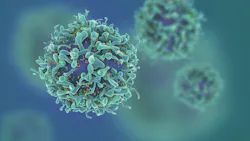
Lichen planus is an inflammatory condition that causes great discomfort to patients. It is characterized as an autoimmune inflammatory disease. This disease affects men and women but tends to have a female predominance. Lichen planus affects the skin, nails, hair, and oral and anogenital mucous membranes. Different treatments are available for this disease, depending on severity and location.1
Dental professionals see many patients with lichen planus and the incredible discomfort it causes within the mouth. Given the abundance of treatments for autoimmune diseases, are topical treatments the best choice for patients? Or are systemic treatments prescribed for lichen planus the first choice? This article will analyze the T-cell mediated etiology of lichen planus, evaluate the diagnostic significance of its mucocutaneous symptoms, and compare the efficacy of systemic versus topical therapeutic interventions.
We’ll evaluate current treatments for lichen planus to determine if one is more effective than the other, attempting to answer the question: For patients with lichen planus, are topical medications more effective than systemic medications in decreasing symptoms?
Epidemiology and pathogenesis
To learn more about this condition, we will explore its background information. Lichen planus is classified as an idiopathic autoimmune inflammatory disease. This condition mostly affects females and individuals of European descent.1 The prevalence of lichen planus worldwide is 0.22% to 5%. Additionally, lichen planus is common in older adults, with a higher prevalence in those over age 75.2 Exact etiology and pathogenesis of this disease is not clear; however, it is thought to be T-lymphocyte mediated.1 According to Whittington, “it is hypothesized that skin-infiltrating T cells … cause direct tissue damage to the epidermis within a milieu of inflammatory cytokines like interferon-¡ and tumor necrosis factor a.” Th2 cytokines are also involved in the inflammatory process of lichen planus.3
Clinical features
The symptoms of lichen planus can be distressing for patients, and they must manage them to get through their daily lives. Lichen planus is a papulosquamous disorder that affects the skin and mucous membranes. Clinical features of lichen planus differ depending on the specific variant. It is typically observed with numerous monomorphic shapes. It is also pruritic, or uncomfortably itchy. Additionally, it has purple, polygonal, flat-topped, scaly papules and plaques. These tend to form on wrists, upper extremities, and distal lower extremities. Lesions have a characteristic adherent, white reticulated scale called Wickham striae.
Different variants of lichen planus include annular, actinic, atrophic, oral, nail, genital, erosive, hypertrophic, inverse, bullous, pigmentosus, pemphigoides, follicular, and drug-induced lichen planus.1 The extremities are affected by these lesions. When it is seen on the fingernails, there is longitudinal ridging. Additionally, when lesions are located in the oral mucosa, desquamative gingivitis or Wickham striae are found. These are accompanied with erosions and blisters of the buccal mucosa.4 Oral lichen planus, when it is of the erosive type, causes erythremia, erosions, tremendous pain, difficulty eating, and malignant transformation rates.5
Treatment options: Topical and systemic
Lichen planus is treated with both topical and systemic therapies. Topical and systemic corticosteroids are reported to be the most commonly used therapy for lichen planus. However, treatment for this condition is historically difficult.6 There are several treatment options for lichen planus. Depending on the type of lichen planus, physicians and/or dentists may choose to treat it differently.
Topical corticosteroids are typically effective for treating lichen planus of the oral mucosa. However, a large number resolve successfully with systemic corticosteroids. Bullous lichen planus (BLP) is a variant of lichen planus that is more reactive and requires potent topical corticosteroids as the first line of treatment. Systemic corticosteroids, possibly combined with immunosuppressants, are also effective.4
Because lichen planus is an autoimmune disease, topical and systemic corticosteroids are chosen to help alleviate symptoms. Topical agents include calcineurin inhibitors, TNF-a inhibitors, tetracycline, and other treatments. Calcineurin inhibitors are a class of drugs that are immunomodulators and have been documented for efficacy in some small trials, but not long-term use.5 TNF-a inhibitors suppress inflammation and are used to treat lichen planus.7 Tetracycline medications have immunomodulatory and anti-inflammatory features that help treat lichen planus.8
Side effects of long-term use of topical applications include skin atrophy, secondary infections, such as candidiasis, and delayed epithelial healing.9 Advanced treatment options include phototherapy, laser therapy, photodynamic therapy, and ultraviolet therapy.5
Related: Erosive lichen planus vs. erythematous candidiasis: How to spot the difference
Systemic treatments include cyclosporine, methotrexate, azathioprine, acitretin, and other immunosuppressive options. Cyclosporine is a calcineurin inhibitor that is effective in oral and genital lichen planus. Methotrexate has anti-proliferative and anti-inflammatory effects.
Azathioprine inhibits DNA synthesis during the proliferation of immune cells. Acitretin is a retinoid and a derivative of vitamin A; it is useful in hypertrophic and cutaneous lichen planus. Significant and toxic effects of these systemic medications include nephrotoxicity, hypertension, hepatotoxicity, bone marrow suppression, gastrointestinal effects and toxicity, myelosuppression, increased opportunities for infection, teratogenic effects, mucocutaneous dryness, and hyperlipidemia.9
Conclusion
Both topical and systemic treatments can be effective and useful in treating lichen planus. However, as stated earlier, lichen planus is difficult to treat. Topical therapies may work for some patients, but not for others. Systemic treatments can be effective as well. Additionally, both treatments carry side effects and the potential for toxic effects. A combination of both topical and systemic therapies can be effective for some patients. Therefore, it cannot be determined if topical therapies are better than systemic or vice versa. Instead, treatment should be overseen by a physician and/or dentist familiar with these treatments and should be delivered on a case-by-case basis to determine the best possible outcome for the individual patient.
Editor's note: This article appeared in the October 2026 print edition of RDH magazine. Dental hygienists in North America are eligible for a complimentary print subscription. Sign up here.
References
- Whittington CP, Saleh JS, Bresler SC, Patel RM. Hypertrophic lichen planus: an up-to-date review and differential diagnosis. Arch Pathol Lab Med. 2024;148(6):659-665. doi:10.5858/arpa.2022-0515-RA
- Gambichler T, Noldes K, Boms S. Bullous pemphigoid and lichen planus pemphigoides in monozygotic twins with a long-standing history of psoriasis. Clin Exp Dermatol. 2024;49(11):1431-1433. doi:10.1093/ced/llae141
- Richmond RL, Murphy MJ, Edemobi P, Vesely MD, Cohen JM. Association of lichen planus with asthma and allergic rhinitis in the All of Us Research Program: a cross-sectional study. Clin Exp Dermatol. 2024;49(9):1067-1069. doi:10.1093/ced/llae101
- Papara C, Danescu S, Sitaru C, Baican A. Challenges and pitfalls between lichen planus pemphigoides and bullous lichen planus. Australas J Dermatol. 2022;63(2):165-171. doi:10.1111/ajd.13808
- Kiyani A, Sohail K, Saeed MHB. Efficacy of 0.1% tacrolimus in long-term management of erosive lichen planus. J Dermatolog Treat. 2021;32(3):367-371. doi:10.1080/09546634.2019.1654072
- Hunt KM, Klager S, Kwak YJ, Sami N. Successful systemic treatment outcomes of lichen planus: a single-center retrospective review. 2021;34(3):e14903. doi:10.1111/dth.14903
- Tumor necrosis factor (TNF) inhibitors. American College of Rheumatology. 2026. https://rheumatology.org/patients/tumor-necrosis-factor-tnf-inhibitors
- Elsen D. Clinical efficacy of second-generation tetracyclines as first-line systemic agents for gingival lichen planus. J Drugs Dermatol. 2026;25(2):144-147. doi:10.36849/JDD.9159
- Rosset F, Sciamarrelli N, Mastorina L, et al. Monoclonal antibodies and small-molecule therapies for lichen planus: targeted immunomodulation and emerging evidence. Antibodies (Basel). 2025;14(3):2073-4468. doi:10.3390/antib14030079
About the Author
 Sheila Britten, BSDH, RDH
Sheila Britten, BSDH, RDH
Sheila Britten, BSDH, RDH, works full-time in clinical dental hygiene in North San Diego County. She graduated from Southwestern College in 2006 and received her bachelor’s degree from Foothill College in 2022. Sheila enjoys bringing value to the office with diligence and staying up-to-date with the latest dental information. She enjoys writing and spending time with her husband and two dogs.