A profession ready to evolve
Dental hygiene has existed as a profession since 1917, when the state of Connecticut awarded Irene Newman the first dental hygiene license. I would love to say, “we’ve come a long way, baby,” but in many ways we are still delivering the same message: brush better, floss more, and stop eating sugar.
It may be time for oral health to evolve.
Instead of only trying to control plaque, we need to listen to what the biofilm is telling us—because the microbes are constantly communicating. We simply have to learn how to hear them.
Seeing the invisible
In my BioLogical dental hygiene care, I use a phase-contrast microscope so patients can see their oral microbes with me. I collect plaque samples from four areas of the mouth, reaching deep into the gum crevice to capture the most representative anaerobic biofilm. The slide is sealed to preserve the low-oxygen environment these organisms prefer and rests while I complete the clinical portion of the appointment—oral cancer screening, disclosing, home-care coaching, and instrumentation.
Then comes the big reveal.
The slide brings everything together. Bacteria move in coordinated communities, white blood cells attempt to contain them, spirochetes twist forward and backward in frantic motion, and motile rods dart like bumblebees. Every slide is similar in structure yet completely unique—because every body is unique.
Continue reading my blog, “Beyond brushing (and flossing): Listening to the biology beneath the biofilm.”
More topics from my blog:
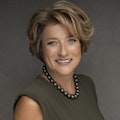
Barbara Tritz, MSB, BSDATE, BRDH, is a biological dental hygienist and orofacial myofunctional therapist whose blog, Queen of Dental Hygiene, provides patients the information they need to help them on their healing journey. “Our one-hour appointment time was just not long enough to share all the many important facts I wanted our patients to learn. Dental hygiene is about so much more than just teaching brushing and flossing," says Barbara. “We are healers, educators, and lifesavers, and we need to give our patients the tools and skills to empower them to true wellness and health.”