Healing on hold: How alcohol derails recovery in the mouth
Key Highlights
- Alcohol weakens immunity, impairs collagen formation, and reduces blood flow—major factors that slow oral wound healing and increase postoperative complications.
- Chronic drinking and alcohol-containing rinses disrupt the oral microbiome and decrease salivary flow, creating a drier, more acidic environment that delays tissue repair.
- Temporary abstinence, such as during “Dry January,” can support faster healing, lower infection risk, and improve outcomes for patients recovering from dental procedures.
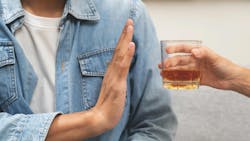
Every January, millions of people trade their wine glasses for water bottles and join the “Dry January” movement—a monthlong break from alcohol that promises clearer skin, better sleep, and a small sense of virtue at social gatherings. But beyond the wellness trend and hashtags lies a more clinical benefit: the body, including the mouth, gets a chance to heal. The absence of alcohol doesn’t just lighten the liver’s load; it gives the immune system, oral tissues, and microbiome a moment to reset. For anyone recovering from dental procedures or managing chronic inflammation, those 31 sober days can mean faster repair, stronger collagen, and a calmer oral environment that no antiseptic rinse can replicate.
Oral wound healing and alcohol
Oral wound healing is a complex process involving coordinated cellular and molecular activity to restore tissue integrity. Adequate blood flow, immune function, and microbial balance are essential, yet alcohol disrupts each—weakening immunity, reducing collagen formation, and heightening infection risk. These effects are especially concerning for patients recovering from oral surgery, periodontal therapy, or injury.
Additional reading: Counseling alcohol-dependent patient in the hygiene operatory
One of the primary ways alcohols hinder oral wound healing is by disrupting the body’s immune response. Neutrophils and macrophages are instrumental in clearing pathogens and promoting tissue repair, but alcohol suppresses their function, leading to increased susceptibility to infections.1 A weakened immune response means that bacteria can proliferate more easily in the wound site, leading to delayed healing and complications like localized infections, dry sockets, and peri-implantitis.2
Alcohol-induced immune suppression reduces the production of pro-inflammatory cytokines that are needed for the initial stages of wound healing, ultimately prolonging the inflammatory phase and delaying tissue regeneration.3,4 Alcohol also disrupts collagen synthesis and fibroblast activity—both fundamental for strong tissue repair. Chronic drinking reduces fibroblast proliferation and collagen production, weakening wound strength and increasing the risk of wound dehiscence.5 Impaired extracellular matrix formation further hinders contraction and closure, leaving tissues slower to heal and structurally compromised.
Repeated alcohol exposure compromises circulation, hindering the healing process. While ethanol initially causes short-term vasodilation and a temporary rise in blood flow, prolonged use ultimately leads to vasoconstriction and endothelial dysfunction, restricting oxygen and nutrient delivery to repairing tissues.6 Oxygen is a must for tissue repair, promoting fibroblast function, angiogenesis (formation of new blood vessels), and bacterial clearance. When oxygen levels are reduced, wound healing slows, and the risk of hypoxic tissue damage increases.7 Reduced blood flow can lead to poor postoperative outcomes and complications like necrosis of healing tissues.
In addition to these physiological effects, alcohol contributes to increased oxidative stress, which further hinders the healing process. Alcohol metabolism generates reactive oxygen species (ROS), which cause cellular damage and inflammation.8 Excessive oxidative stress disrupts the balance between free radicals and antioxidants in the body, leading to cellular dysfunction and apoptosis of key reparative cells. This oxidative damage further delays wound healing by impairing keratinocyte migration and proliferation, both of which are necessary for reepithelialization of the wound site.9 The increased oxidative burden also weakens the mucosal barrier, making oral tissues more vulnerable to secondary infections.
Effects on the microbiome
Chronic drinking alters the composition of the oral microbiome, reducing beneficial bacteria and encouraging overgrowth of opportunistic pathogens such as Porphyromonas gingivalis and Fusobacterium nucleatum—a microbial shift that increases the likelihood of pathogenic colonization and infection at wound sites.10 This microbial imbalance creates a more pro-inflammatory environment that exacerbates tissue damage and delays healing. Patients who consume alcohol regularly may also experience an increased risk of periodontal disease, which can further complicate wound healing following dental procedures.11 Clinical studies have shown those who consume alcohol postoperatively experience longer recovery times and higher rates of complications compared to nondrinkers.12 Given these findings, dental professionals should advise against alcohol consumption during the healing process to optimize outcomes. In cases where alcohol cessation is not possible, patients may be encouraged to minimize intake and use adjunctive therapies, like antioxidant supplementation and antimicrobial mouth rinses, to mitigate some of the detrimental effects.
Alcohol in mouth rinses
While systemic alcohol ingestion impairs healing via systemic pathways, alcohol in mouth rinse formulations exerts mostly local effects. Ethanol can dehydrate tissue, denature proteins, and injure cells important for reepithelialization and matrix formation. It also aggravates local inflammation and upsets the oral microbiome, favoring opportunistic pathogens in the wound bed. In compromised mucosa, these effects manifest as burning or pain, cytological changes in epithelial cells, and delayed closure.13 Some reviews of alcohol-based mouth rinses highlight reported discomfort and mucosal irritation in long-term users.14
A consideration filled with understandable controversy is the use of chlorhexidine (CHX). A systematic review and meta-analysis looking at the efficacy of CHX applied postsurgically on wound healing showed beneficial effects.15 However, those benefits were greater when used as a .20% gel with the addition of chitosan. Keep in mind in this study, no standardized duration was reported. Some rinsed for a week or two, others used gels for a few days, and several didn’t specify. But the best effect was a gel, not used indiscriminately or long term.
Lastly, saliva flow and healing. Our saliva delivers growth factors, antimicrobial peptides, and oxygen that support tissue repair while maintaining a moist environment for epithelial migration, and when reduced defenses are impaired, collagen formation slows and infection risk increases. Acutely, it acts as a diuretic and dehydrating agent, pulling water from tissues and decreasing production. Chronically, it alters the function of salivary glands themselves—especially the parotid and submandibular glands—leading to hyposalivation and changes in saliva composition (less mucin, reduced buffering, lower antimicrobial peptides). The result is a drier, more acidic oral environment that favors bacterial overgrowth, irritates mucosa, and slows healing. Studies using sialometry confirm that both heavy drinkers and those who use alcohol-containing mouth rinses regularly exhibit lower salivary flow rates and altered pH compared to nondrinkers.16
Though conversations about alcohol use can be difficult, its impact on oral wound healing is undeniable. By weakening immunity, disrupting collagen production, and reducing blood flow and salivary flow, alcohol hinders the body’s natural repair process. For patients recovering from oral procedures, abstaining can mean the difference between smooth healing and delayed recovery.
Editor's note: This article appeared in the January/February 2026 print edition of RDH magazine. Dental hygienists in North America are eligible for a complimentary print subscription. Sign up here.
References
- Szabo G, Mandrekar P. A recent perspective on alcohol, immunity, and host defense. Alcohol Clin Exp Res. 2009;33(2):220-232. doi:10.1111/j.1530-0277.2008.00842.x
- Bagheri SC, Bryan B, Khan HA. Clinical Review of Oral and Maxillofacial Surgery: A Case-based Approach. Elsevier; 2019.
- Szabo G. Consequences of alcohol consumption on host defence. Alcohol Alcohol. 1999;34(6):830-841. doi:10.1093/alcalc/34.6.830
- Ruiz-Cortes K, Villageliu DN, Samuelson DR. Innate lymphocytes: role in alcohol-induced immune dysfunction. Front Immunol. 2022;13:934617. doi:10.3389/fimmu.2022.934617
- Ranzer MJ, Chen L, DiPietro LA. Fibroblast function and wound breaking strength is impaired by acute ethanol intoxication. Alcohol Clin Exp Res. 2011;35(1):83-90. doi:10.1111/j.1530-0277.2010.01324.x
- Kleinhenz DJ, Sutliff RL, Polikandriotis JA, et al. Chronic ethanol ingestion increases aortic endothelial nitric oxide synthase expression and nitric oxide production in the rat. Alcohol Clin Exp Res. 2008;32(1):148-154. doi:10.1111/j.1530-0277.2007.00550.x
- Castilla DM, Liu ZJ, Velazquez OC. Oxygen: implications for wound healing. Adv Wound Care (New Rochelle). 2012;1(6):225-230. doi:10.1089/wound.2011.0319
- Das SK, Vasudevan DM. Alcohol-induced oxidative stress. Life Sci. 2007;81(3):177-187. doi:10.1016/j.lfs.2007.05.005
- Wu D, Cederbaum AI. Oxidative stress and alcoholic liver disease. Semin Liver Dis. 2009;29(2):141-154. doi:10.1055/s-0029-1214370
- Xu F, Laguna L, Sarkar A. Aging-related changes in quantity and quality of saliva: where do we stand in our understanding? J Texture Stud. 2019;50(1):27-35. doi:10.1111/jtxs.12356
- Wang J, Lv J, Wang W, Jiang X. Alcohol consumption and risk of periodontitis: a meta-analysis. J Clin Periodontol. 2016;43(7):572-583. doi:10.1111/jcpe.12556
- Perdigão J, Monteiro S, Ferreira MM. The impact of alcohol consumption on wound healing following oral surgical procedures. Int J Oral Maxillofac Surg. 2020;49(10):1281-1287.
- Bagan JV, Vera-Sempere F, Marzal C, Pellín-Carcelén A, Martí-Bonmatí E, Bagan L. Cytological changes in the oral mucosa after use of a mouth rinse with alcohol. A prospective double blind control study. Med Oral Patol Oral Cir Bucal. 2012;17(6):e956-e961. doi:10.4317/medoral.18843
- Lemos CA Jr, Villoria GE. Reviewed evidence about the safety of the daily use of alcohol-based mouthrinses. Braz Oral Res. 2008;22(Suppl 1):24-31. doi:10.1590/s1806-83242008000500005
- Romero-Olid MN, Bucataru E, Ramos-García P, González-Moles MÁ. Efficacy of chlorhexidine after oral surgery procedures on wound healing: systematic review and meta-analysis. Antibiotics (Basel). 2023;12(10):1552. doi:10.3390/antibiotics12101552
- Dodds MW, Johnson DA, Yeh CK. Health benefits of saliva: a review. J Dent. 2005;33(3):223-233. doi:10.1016/j.jdent.2004.10.009
About the Author
 Anne O. Rice, BS, RDH, CDP, FAAOSH
Anne O. Rice, BS, RDH, CDP, FAAOSH
Anne O. Rice, BS, RDH, CDP, FAAOSH, founded Oral Systemic Seminars after over 35 years of clinical practice and is passionate about educating the community on modifiable risk factors for dementia and their relationship to dentistry. She is a certified dementia practitioner, a longevity specialist, a fellow with AAOSH, and has consulted for Weill Cornell Alzheimer’s Prevention Clinic, FAU, and Atria Institute. Reach out to Anne at anneorice.com.