Understanding the oral terrain: How the internal environment of the mouth influences healing, resilience, and disease
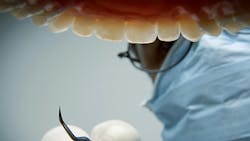
Dentistry has been practiced in a silo, treating the mouth as though it exists in isolation despite being the foundation of health. As hygienists, we hold the power to shift the narrative, protect the body, and provide care for our patients that go beyond simply "cleaning teeth" and offering product recommendations.
With nearly half of the population suffering from some form of periodontal disease,1 a paradigm shift in the way we view the mouth is needed to keep our patients healthy-and it all begins with the oral terrain.
Are you familiar with the oral terrain?
Oral terrain is the internal ecosystem that sets the stage for mineral balance, pH, microbial diversity, immune function, and the overall stress of the body. It determines how we function, adapt, self-regulate, and heal. When we start to look at each of these variables, we begin to see patterns, make connections, and establish the criteria for treating our patients through an entirely new lens-one that moves away from a reactive model. We need to ask questions about why disease is showing up in the first place and how to uncover and address the root cause.
Dental hygiene is about so much more than teeth; it's about the interconnectedness of the mouth and the rest of the body. The mouth mirrors what is happening systemically, and once we can recognize these clues, we begin a whole new approach to dental wellness.
The importance of minerals
Minerals lay the foundation for the oral terrain. We must start viewing the mouth for what it is: one of the most mineral-rich and mineral-dependent areas of the body. In a terrain that supports health, systemic minerals from our saliva, including calcium and phosphate, are deposited into enamel during the remineralization process.2
In an imbalanced oral terrain, the risk for caries increases. Other minerals like sodium and potassium will determine the quantity and flow rate of saliva, supporting cellular hydration and tissue integrity.3
Balancing hormones
Just as we can see mineral imbalances present in the mouth, we can also see oral manifestations of hormonal instability. Hormones shape the oral environment, so when we see changes in gum tissue, bone density, and disease risk, we must consider that the mouth is a hormone -responsive organ and contains receptors for estrogen, progesterone, cortisol, thyroid, and androgens.4
These become significantly important when it comes to healing following oral surgery and periodontal therapy, bone remodeling and osseointegration of dental implants, as well as proactive care through each phase of life.
Alongside mineral and hormonal balance, building resilience within the nervous system is critical for optimal and predictable healing outcomes. Healing is a parasympathetic function.5 When the nervous system is dysregulated or sympathetic dominant, it is difficult to absorb key minerals, balance hormones, and heal the mouth at a cellular level. When fight or flight runs the show, delayed healing, chronic low-grade inflammation, and physiological stress shape the landscape of the oral terrain.
Conclusion
Oral terrain is the missing link between dentistry and medicine. Rather than symptom suppression, we bring a systems-based approach with a focus on establishing homeostasis and supporting the whole body. Our patients are beyond ready for this level of care.
Editor's note: This article appeared in the January/February 2026 print edition of RDH magazine. Dental hygienists in North America are eligible for a complimentary print subscription. Sign up here.
References:
1. Eke PI, Dye BA, Wei L, et al. Update on prevalence of periodontitis in adults in the United States: NHANES 2009 to 2012. J Periodontol. 2015;86(5):611-622. doi:10.1902/jop.2015.140520
2. Featherstone JDB. Remineralization, the natural caries repair process-the need for new approaches. Adv Dent Res. 2009;21(1):4-7. doi:10.1177/0895937409335590
3. Proctor GB, Carpenter GH. Salivary secretion: mechanism and neural regulation. Monogr Oral Sci. 2014;24:14-29. doi:10.1159/000358781
4. Jawed STM, Jawed KTK. Understanding the link between hormonal changes and gingival health in women: a review. Cureus. 2025;17(6):e85270. doi:10.7759/cureus.85270
5. Porges SW. The polyvagal theory: new insights into adaptive reactions of the autonomic nervous system. Cleveland Clinic J Med. 2022;89(2):86-93. doi:10.3949/ccjm.89a.21099
About the Author
 Amber White, RDH
Amber White, RDH
Amber White, RDH, is an integrative health practitioner and founder of Beyond the Mouth, a course and mentorship reshaping how we practice dentistry. With a global impact and a passion for empowered wellness, she supports practices and clients through the oral-systemic lens. For more information, you can discover her programs at www.naturallyamberwhite.com and email [email protected] with any questions or for collaborations.