Air-polishing powder options: An evidence-based guide for dental hygienists
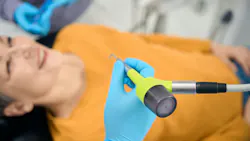
Air polishing has evolved into a cornerstone of contemporary dental hygiene care, offering efficient and patient-friendly removal of biofilm and extrinsic stains. The effectiveness and safety of air polishing, however, depend heavily on selecting the appropriate powder for the clinical situation. Professionals must consider powder composition, particle size, and abrasiveness to ensure optimal outcomes and avoid unintended damage to oral tissues or restorative materials.
Powder type and particle size
Sodium bicarbonate was the first powder widely used for air polishing. It has relatively large particles (often averaging 40–70 μm, with some particles considerably larger) and moderate hardness. These characteristics make sodium bicarbonate effective for removing heavy extrinsic stain and plaque on enamel surfaces, but its abrasiveness limits its use to supragingival applications only. Studies demonstrate that it can significantly abrade root surfaces, cementum, and dentin, making it unsuitable for periodontal patients with attachment loss or recession.1
Glycine powder represents a major advancement in air-polishing technology. As an amino acid-based powder, glycine has a much smaller particle size (approximately 25 μm) and is significantly less abrasive than sodium bicarbonate. Research shows glycine powder causes minimal damage to enamel, dentin, cementum, and soft tissues while still effectively disrupting biofilm.2 Its low abrasiveness allows for both supragingival and subgingival use when paired with appropriate delivery tips.
Erythritol powder is one of the newest air-polishing powders available. With an ultrafine particle size of approximately 14 μm, erythritol is even less abrasive than glycine. Clinical studies suggest erythritol effectively removes biofilm while preserving surface integrity of hard and soft tissues. Additionally, erythritol has been shown to inhibit growth of periodontal pathogens such as P. gingivalis.3
Clinical indications for powder selection
Supragingival biofilm and stain removal: For patients with heavy extrinsic staining on enamel surfaces, sodium bicarbonate remains an effective option. It is particularly useful for removing tobacco, coffee, and tea stains efficiently.
Subgingival biofilm management: Low-abrasive powders such as glycine and erythritol are clearly indicated for subgingival biofilm removal. Multiple randomized controlled trials have shown glycine air polishing to be as effective as traditional scaling for biofilm removal in periodontal maintenance, with significantly less discomfort and reduced soft tissue trauma.1,2 Erythritol has demonstrated similar effectiveness, with additional antimicrobial benefits.
Implant maintenance: Glycine and erythritol powders are preferred for implant care. Research indicates these powders preserve implant surface morphology, whereas sodium bicarbonate can roughen titanium surfaces, potentially increasing plaque retention and peri-implant disease risk.4
Selecting the appropriate air-polishing powder is a critical clinical decision that directly affects patient safety, comfort, and long-term oral health. Evidence consistently supports the use of low-abrasive powders such as glycine and erythritol for subgingival, periodontal, and implant maintenance, while reserving sodium bicarbonate and other abrasive powders for limited supragingival stain removal. By aligning powder selection with current scientific evidence, dental hygienists can deliver effective, minimally invasive care that supports both periodontal health and patient satisfaction.
Editor's note: The article appeared in the April/May 2026 print edition of RDH magazine. Dental hygienists in North America are eligible for a complimentary print subscription. Sign up here.
References
-
Hägi TT, Hofmänner P, Salvi GE, Ramseier CA, Sculean A. Clinical outcomes following subgingival application of a novel erythritol powder by means of air polishing in supportive periodontal therapy: a randomized, controlled clinical study. Quintessence Int. 2013;44(10):753-761. doi:10.3290/j.qi.a30606
-
Petersilka G, Faggion CM Jr, Stratmann U, et al. Effect of glycine powder air-polishing on the gingiva. J Clin Periodontol. 2008;35(4):324-332. doi:10.1111/j.1600-051X.2007.01195.x
-
Drago L, Bortolin M, Taschieri S, et al. Erythritol/chlorhexidine combination reduces microbial biofilm and prevents its formation on titanium surfaces in vitro. J Oral Pathol Med. 2017;46(8):625-631. doi:10.1111/jop.12536
-
Schwarz F, Ferrari D, Popovski K, Hartig B, Becker J. Influence of different air-abrasive powders on cell viability at biologically contaminated titanium dental implants surfaces. J Biomed Mater Res B Appl Biomater. 2009;88(1):83-91. doi:10.1002/jbm.b.31154
About the Author
 Bethany Montoya, MBA, RDH
Bethany Montoya, MBA, RDH
Bethany Montoya, MBA, RDH, is a practicing dental hygienist, educator, industry key opinion leader, and editorial director of DentistryIQ’s Clinical Insights newsletter. She has a passion for advancing modern disease prevention. She specializes in exploring the intersection of clinical practice, professional growth, and innovation within oral health care. Through her writing, she aims to educate, inspire, and spark meaningful dialogue in the dental community. She can be reached at [email protected].