Expanding the role of dental hygienists in screening for obstructive sleep apnea
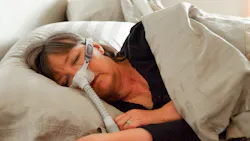
Obstructive sleep apnea (OSA) affects an estimated 22 million individuals in the United States, and approximately 80% of those with moderate to severe disease remain undiagnosed.1 OSA is characterized by recurrent episodes of upper airway obstruction during sleep, leading to fragmented sleep, excessive daytime drowsiness, and an elevated risk of cardiovascular disease, diabetes, and cognitive decline.2 The condition contributes significantly to morbidity and mortality, and its economic burden—driven by health-care utilization and decreased productivity—is substantial.
OSA and the role of clinicians
Although polysomnography performed in sleep laboratories remains the diagnostic standard, dental settings represent an important opportunity for early detection because oral and craniofacial risk factors for OSA are readily visible during routine examinations.3 Dentists and dental hygienists frequently evaluate airway structures, the oral cavity, and patient-reported symptoms, positioning them to identify potential indicators of sleep-disordered breathing.
Dental hygienists, who often spend extended time with patients during preventive visits, are increasingly recognized for their potential role in OSA screening. However, this role remains underutilized due to limited education, scope -ofpractice constraints, and the absence of standardized clinical protocols.4
Clinical indicators and screening tools
Dental hygienists routinely assess the oral cavity and airway anatomy, making them well suited to identify physical indicators associated with OSA. Common findings include scalloped tongue borders, tonsillar hypertrophy, elevated Mallampati classification, bruxism, retrognathia, and narrow dental arches.5 These features—often overlooked in traditional medical settings—are easily observed during routine dental hygiene examinations. Dental hygienists are frequentlythe first clinicians to recognize these signs and can initiate appropriate follow-up evaluation.6
Validated screening instruments, including the Epworth Sleepiness Scale (ESS), the STOP-Bang questionnaire, and Mallampati classification, offer structured methods for evaluating OSA risk.7 The American Academy of Dental Sleep Medicine (AADSM) recommends chairside screening protocols incorporating airway visualization, patient history, and symptom-based checklists to support risk assessment and appropriate referral.8 These tools enable hygienists to identify relevant symptoms, quantify risk, and help bridge communication between dental and medical providers.
In addition to questionnaire-based assessments, intraoral cameras and digital imaging allow dental hygienists to document airway-related findings that can be shared with collaborating clinicians. These visual records strengthen interdisciplinary communication and can support diagnostic decision making in sleep medicine.
Continuing education
Despite the recognized potential of dental hygienists in screening for OSA, many report insufficient formal training on the topic. The ADHA now offers CE modules addressing sleep health, airway assessment, and interdisciplinary management strategies.9 These educational resources are essential for strengthening the dental workforce’s capacity to address sleep-related disorders within clinical practice.
Interprofessional collaboration and referral pathways
Although dental hygienists are not authorized to diagnose OSA, they play a critical role in facilitating appropriate referrals. It is important for hygienists to establish collaborative partnerships with dentists trained in dental sleep medicine and with sleep physicians.10 By documenting clinical findings and initiating referral processes, hygienists contribute meaningfully to a team-based approach to patient care.
Hygienists serve as effective communication bridges between patients and health-care providers.7 Their frequent contact with patients enables them to explain the significance of sleep evaluations and to encourage adherence to recommended referrals. Patients are more likely to pursue diagnostic sleep testing when referred by a trusted dental hygienist compared with a general medical practitioner.11
In addition, hygienists can support treatment adherence by monitoring oral appliance use, addressing adverse effects, and reinforcing behavioral strategies conducive to improved sleep health.12 Their ongoing patient relationships position them as valuable contributors to long-term management of sleep-related disorders.
Patient education and engagement
Patient education is a central component of the dental hygienist’s role in addressing OSA. Dental hygienists’ extended patient interaction during preventive care visits enables them to establish trust and effectively deliver sleep-related education.13,14
Patient understanding of OSA improves significantly after receiving education from dental hygienists, which leads to increased follow -through with recommended diagnostic evaluations.12 Integrating sleep health information into educational materials—including brochures, chairside diagrams, and digital media—can normalize discussions and reduce stigma surrounding sleep disorders.13 Hygienists can also use intraoral imaging to illustrate anatomic features that may contribute to airway compromise, thereby enhancing patient comprehension and engagement.
Education should further address the health consequences of untreated OSA, such as cardiovascular complications, metabolic dysregulation, and impaired cognitive function. By framing sleep health as a key component of holistic wellness, dental hygienists can motivate patients to pursue appropriate evaluation and treatment.
Systemic health connections
OSA is associated with a wide range of systemic conditions, including hypertension, diabetes, and periodontal disease. Untreated OSA has been linked to increased risk of stroke, metabolic syndrome, and cognitive decline.2 Early identification of at-risk individuals enables hygienists to contribute to preventive care strategies that extend beyond traditional dental concerns.
Additionally, sleep-disordered breathing may exacerbate temporomandibular disorders, xerostomia, and bruxism—conditions frequently evaluated and managed within dental settings. Recognizing these interrelationships allows hygienists to deliver more holistic care and collaborate effectively with interdisciplinary health-care teams.
Policy and advocacy
The ADHA has advocated for expanding the professional scope of dental hygienists to formally include sleep apnea screening. Their policy recommendations encourage state regulatory boards to adopt this role, contingent upon appropriate training and education.9
Legitimizing hygienists’ roles in sleep medicine requires collective support from educators, regulatory bodies, and professional organizations.11 Several states are exploring scope-of-practice changes to include airway assessment and sleep health education, reflecting increasing recognition of the dental hygienist’s contribution to systemic health promotion.
Professional organizations—including the AADSM—have similarly called for deeper integration of dental professionals into sleep care teams.8,15 These advocacy efforts underscore the importance of policy reform that empowers hygienists to participate meaningfully in interdisciplinary sleep health initiatives.
Conclusion
As the field of sleep medicine continues to advance, dental hygienists stand at the forefront of a more holistic and preventive care model—one that integrates oral and systemic health and empowers patients to take an active role in improving their sleep. By embracing this expanded scope, hygienists can contribute to better patient outcomes, reduced health-care expenditures, and a more cohesive interdisciplinary approach to care.
Author's note: This article was written with the assistance of artificial intelligence.
Editor's note: This article appeared in the April/May 2026 print edition of RDH magazine. Dental hygienists in North America are eligible for a complimentary print subscription. Sign up here.
References
1. Young T, Peppard PE, Gottlieb DJ. Epidemiology of obstructive sleep apnea: a population health perspective. Am J Respir Crit Care Med. 2002;165(9):1217-39. doi:10.1164/rccm.2109080
2. Punjabi NM. The epidemiology of adult obstructive sleep apnea. Proc Am Thorac Soc. 20085;(2):136-43. doi:10.1513/pats.200709-155MG
3. Guilleminault C, Sullivan SS. Oral and craniofacial risk factors in obstructive sleep apnea. Sleep Med Rev. 2000.
4. Ramar K, Dort LC, Katz SG, et al. Clinical practice guideline for the treatment of obstructive sleep apnea and snoring. J Clin Sleep Med. 2015;11(7):773-827. doi:10.5664/jcsm.4858
5. Ngiam J, Balasubramaniam R, Darendeliler MA, et al. Clinical indicators of sleep-disordered breathing in dental settings. J Dent Sleep Med. 2013.
6. Kornegay EC, Brame JL. The role of dental hygienists in screening for sleep-disordered breathing. J Dent Hyg. 2015;89(5):286-92.
7. Cuzella M, Dean J. Screening tools for sleep-disordered breathing in dental practice. J Dent Hyg. 2021.
8. American Academy of Dental Sleep Medicine. Clinical practice guidelines for dental sleep medicine. 2016. https://www.aadsm.org/standards_for_practice.php
9. American Dental Hygienists’ Association. Continuing education modules on sleep health and airway assessment. 2020.
10. Coker E, Dean J. Collaborative practice models for dental hygienists in sleep medicine. J Dent Hyg. 2021.
11. Green R, Patel S, Simmons M. Patient adherence to sleep evaluations initiated by dental hygienists. J Dent Sleep Med. 2021.
12. Patel S, Green R, James L. The role of dental hygienists in monitoring oral appliance therapy. J Dent Sleep Med. 2022.
13. Dean J, Cuzella M. Strategies for patient communication regarding sleep health. J Dent Hyg. 2021.
14. Smith L, Patel S. Patient trust and communication during preventive dental visits. Int J Dent Hyg. 2022.
15. Sleep Research Society. Integrating dental professionals into sleep medicine teams. Sleep Health. 2021;7(4):395-402.
16. Centers for Disease Control and Prevention. Epworth Sleepiness Scale. https://www.cdc.gov/niosh/work-hour-training-for-nurses/02/epworth.pdf. Accessed December 17, 2025.
17. University Health Network. STOP-Bang questionnaire: Screening for obstructive sleep apnea (OSA). STOP-Bang. http://www.stopbang.ca/osa/screening.php. Accessed December 17, 2025.
18. Myers KA, Mrkobrada M, Simel DL. Does this patient have obstructive sleep apnea?: The rational clinical examination systematic review. JAMA. 2013;21;310(7):731-41. doi:10.1001/jama.2013.27
About the Author
 Kimberly Hille, EdD, CDA, EFDA, RDH
Kimberly Hille, EdD, CDA, EFDA, RDH
Dr. Kimberly Hille is a licensed dental hygienist with 25+ years of experience as an oral health care provider. She currently serves as the assistant dean of health professions at the University of Southern Indiana. For more information, email her at [email protected].