The new dental hygiene graduate: Championing care through the oral-systemic and microbiome lens
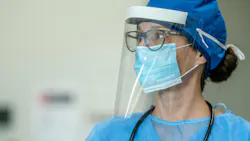
Today’s dental hygiene graduate is entering a profession that looks profoundly different from even a decade ago. No longer defined solely by mechanical debridement and preventive instruction, the modern clinician is emerging as a healthcare partner—one who understands that the mouth is inseparable from the rest of the body. Viewing patient care through the dual lenses of oral–systemic connection and microbiome balance is rapidly becoming not just an enhancement to practice, but a professional responsibility.
For the new graduate, this shift begins with mindset. Dental hygiene education now emphasizes that periodontal disease is not merely a localized infection but a chronic inflammatory condition with measurable associations to diabetes, cardiovascular disease, adverse pregnancy outcomes, respiratory illness, and cognitive decline. Recognizing these links transforms the hygienist’s role from “tooth cleaner” to risk assessor, educator, and preventive strategist. Each periodontal chart, bleeding point, and medical history update becomes meaningful clinical data that informs whole-person health.
Understanding of the oral microbiome
Rather than viewing bacteria strictly as pathogens to be eliminated, contemporary science frames oral health as a matter of ecological balance. Dysbiosis—an imbalance in microbial communities—drives inflammation and disease progression. The new dental hygiene graduate must therefore think beyond removal of biofilm to management of the biologic environment: salivary function, pH, nutrition, immune response, and patient behaviors that influence microbial stability.
This biologically centered approach reshapes clinical decision-making. Risk-based periodontal assessment, salivary diagnostics, and individualized recare intervals allow clinicians to intervene earlier—often before radiographic or attachment loss becomes evident. Patient conversations also evolve. Instead of focusing solely on brushing and flossing compliance, the hygienist discusses inflammation, systemic health markers, nutrition, stress, sleep, and glycemic control. These discussions position oral health as an integral component of overall wellness rather than an isolated dental concern.
Championing care
Importantly, becoming a champion of oral–systemic and microbiome-informed care requires confidence in communication. New graduates must learn to translate complex science into clear, motivating language. Patients may not remember probing depths, but they understand inflammation, balance, and prevention. When hygienists explain that controlling gum inflammation may support heart health or diabetic stability, patient engagement deepens. Trust grows. Compliance improves. Outcomes follow.
Interprofessional awareness
Collaboration with physicians, nurses, dietitians, and other healthcare providers strengthens continuity of care and reinforces the legitimacy of dental hygiene within the broader medical model. The graduate who confidently communicates periodontal findings in systemic terms helps bridge the historic divide between dentistry and medicine.
Technological advancements
Technology will further accelerate this evolution. Advances in salivary biomarkers, artificial intelligence–assisted risk detection, and microbiome analytics promise earlier diagnosis and more personalized preventive strategies. Yet even as technology advances, the human element of dental hygiene remains central. Empathy, coaching, and relationship-centered care are what translate scientific insight into meaningful behavior change.
Ultimately, the new dental hygiene graduate stands at a pivotal moment in the profession’s history. By embracing oral–systemic science and microbiome stewardship as guiding principles, today’s clinician moves beyond procedure-based care toward health-centered practice. This transformation elevates not only patient outcomes but also the identity of dental hygiene itself—from supportive role to essential healthcare discipline.
The future of dental hygiene will belong to those who see inflammation before destruction, balance before disease, and the patient as a whole person rather than a collection of teeth. In doing so, the new graduate does more than enter a profession—they help redefine it.
Cheers!
Marianne Dryer RDH, M.Ed.
About the Author
 Marianne Dryer, MEd, RDH
Marianne Dryer, MEd, RDH
Marianne Dryer, MEd, RDH, is a dynamic speaker, educator, and consultant in curriculum development. She has lectured nationally and internationally on periodontal instrumentation with a focus on ultrasonic technique, risk assessment, infection prevention, and radiology technique. Her experience in dentistry spans more than 30 years. She is currently the Director of Dental Sciences at Cape Cod Community College. She is a graduate of Forsyth School for Dental Hygienists, Old Dominion University, and received her master’s in education from St.Joseph’s College of Maine. Contact her at [email protected] or through her website at mariannedryer.com.