Will kratom become our kryptonite? Why this “herbal supplement” deserves a dental hygienist’s closer look
Key Highlights
- Kratom is not a typical herbal supplement: Its active compounds interact with opioid receptors and can produce both stimulantlike and opioidlike effects, creating important clinical considerations for dental care.
- Oral and systemic effects may impact treatment: Kratom use has been associated with xerostomia, elevated blood pressure, dizziness, dependence, and withdrawal symptoms, all of which can influence patient management and oral health outcomes.
- Medical histories should include supplements and wellness products: Asking open-ended questions about everything patients take—not just medications—can uncover kratom use and help clinicians identify potential risks, interactions, and treatment considerations.
With more than three decades spent at the crossroads of pharmacology and dental hygiene, I have seen one pattern repeat itself more times than I want to admit. Every few months, yet another herbal supplement bursts onto the wellness scene promising more energy, less pain, better focus, or improved mood. While many of these products come and go, with sometimes little fanfare, one botanical has quietly built a loyal following and an increasingly mysterious and complicated reputation. That product is kratom.
Over the past decade, kratom has steadily moved from obscure herbal shops into smoke shops, gas stations, convenience stores, wellness boutiques, and countless online retailers. Marketed as a “natural” product that can boost energy, relieve pain, and even serve as an exit strategy for opioid addiction, kratom has become one of the fastest-growing “herbal supplements” in the United States.¹
A plant with powerful pharmacology
Kratom is derived from the leaves of Mitragyna speciosa, a tropical tree native to Southeast Asia. For generations, indigenous laborers chewed the leaves to combat fatigue during long, trying workdays.
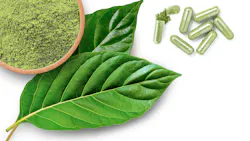
Today's kratom products are decidedly different. Our patients may purchase kratom as powders, capsules, concentrated extracts, gummies, or beverages, typically in brightly colored packaging that resembles energy supplements more than medications. That type of marketing, coupled with ease of access in relatively convenient locations, can be misleading.
Although kratom is sold as a dietary supplement, its primary active alkaloids, mitragynine and 7-hydroxymitragynine (“7-hydro” or “7-OH”), interact with many of the same opioid receptors targeted by prescription opioid analgesics and illicit opioids, such as heroin and fentanyl.¹ This may result in additive adverse effects with medications we commonly use in dentistry, such as benzodiazepines for anxiolysis and minimal oral sedation as well as opioids prescribed for pain management.
However, unlike opioids, kratom's pharmacology is more complex in that it also produces stimulantlike effects depending on the dose.² This dual personality is one reason patients often describe very different experiences with the same product and usually do not exhibit the typical symptoms of opioid use and abuse.
Why are our patients taking kratom?
While pharmacology is certainly my passion, I think one of the most interesting aspects of kratom is not how it works, but why people are using it. Some patients taking kratom report that it improves focus and productivity. Others say they use it to manage chronic pain. Still others describe using kratom to reduce anxiety, elevate mood, or lessen opioid withdrawal symptoms without seeking formal medical treatment.³
In many cases, these individuals do not necessarily view themselves as taking a “drug” at all. Rather, they believe they are merely taking an herbal supplement and insist that this distinction matters. Thus, patients who would otherwise readily disclose their use of prescription medications may never think to mention kratom during a medical history interview because, in their minds, it belongs in the same category as turmeric, echinacea, or ashwagandha.
What this means in the operatory
Pharmacologically, however, kratom occupies a very different space than traditional herbal supplements. And, as kratom use becomes more common, dental hygienists may begin encountering patients whose oral and systemic health is influenced by a substance that never appears on their list of medications. Reported adverse effects include xerostomia, nausea, constipation, dizziness, and appetite suppression.³
Again, depending on dose and duration of use, some individuals taking kratom may also experience tachycardia or elevated blood pressure. Chronic use of kratom has been associated with the development of tolerance, physical dependence, and withdrawal symptoms following abrupt discontinuation.3
All of this may have direct and indirect effects on dental and dental hygiene treatment. And although research regarding kratom's direct effects on oral tissues remains limited, xerostomia alone should prompt clinicians to consider its potential downstream consequences, including increased caries risk, changes in oral microbial ecology, and patient comfort.
A highly divided legal status
Kratom's legal status is highly divided. Kratom is federally legal to possess and use in the United States, and it is not scheduled under the Controlled Substances Act. Thus, legality varies drastically by state and local restrictions rather than under federal law. Several states, including Alabama, Arkansas, Indiana, Louisiana, Vermont, and Wisconsin, have banned kratom entirely.4
In addition, many states, such as California, do not allow the sale of concentrated, synthetic, or artificially enhanced kratom compounds like “7-hydro” tablets and liquids, the proliferation of which has been explosive in recent years. In an effort to stem this rapid expansion, several states like Oregon, Nevada, Arizona, Colorado, Texas, and Georgia have passed the Kratom Consumer Protection Act, which broadly implements age restrictions and requires product labeling.4
Looking beyond the label
The FDA considers kratom a new dietary supplement and, thus, it is not approved by the FDA for any medical use.5 Unlike FDA-approved medications, commercial kratom preparations may differ substantially in alkaloid concentration, purity, and potency. Independent analyses have identified products contaminated with heavy metals, bacteria, and even undeclared pharmaceuticals.6
In addition, since kratom products are largely unregulated, another important consideration is product variability. That means two patients reporting "kratom use" may, in reality, be consuming very different products.
One of the recurring themes in the world of herbal supplements is that labels often shape perception more than pharmacology. Patients see words like "natural," "plant-based," or "herbal" and understandably assume these products carry little clinical significance. Yet, nature has always been an exceptional chemist. Many of our most powerful medications, including morphine, digoxin, and atropine, originated from plants. Thus, kratom serves as an excellent reminder that the source of a substance tells us very little about its pharmacologic activity.
A conversation worth having
The growing popularity of kratom does not mean every patient using it is destined to experience complications. However, it does highlight the importance of asking thought-provoking, open-ended questions during the medical history review. As I have said many times in my presentations, the three most important questions to ask your patient are:
- “What do you take?”
- “Why do you take it?”
- “Did you take it today?”
Not framing the questions with words like “medications” or “drugs” broadens the conversation to include herbal products, supplements, powders, gummies, and other wellness products patients may not otherwise consider mentioning. These additional questions often reveal a much more complete picture of the patient's overall health.
As I have often said, dental hygienists spend more one-on-one time with patients than almost any other health-care professional. Thus, they remain uniquely positioned to recognize emerging trends long before they become common knowledge. Kratom may be sold as an herbal supplement, but from a pharmacologic perspective, it deserves to be treated with the same curiosity and respect we give any substance capable of altering human physiology.
Editor’s note: This article first appeared in RDH eVillage newsletter, a publication of the Endeavor Business Media Dental Group. Read more articles and subscribe.
References
- Karunakaran T, Ngew KZ, Zailan AAD, Jong VYM, Bakar MHA. The chemical and pharmacological properties of mitragynine and its diastereomers: an insight review. Front Pharmacol. 2022;13:805986. doi:10.3389/fphar.2022.805986
- Hemby SE, McIntosh S, Leon F, Cutler SJ, McCurdy CR. Abuse liability and therapeutic potential of the Mitragyna speciosa (Kratom) alkaloids mitragynine and 7-hydroxymitragynine. Addict Biol. 2019;24(5):874-885. doi:10.1111/adb.12639
- The clinical assessment and management of patients who use kratom. J Addict Med. 2021.
- Ellis MS, Buttram ME, Forber A, Black JC. Associations between kratom-related state policy environments and kratom use in a nationally representative population in the United States. J Psychoactive Drugs. 2024;56(3):333-341. doi:10.1080/02791072.2023.2223622
- FDA and kratom. U.S. Food and Drug Administration. Updated December 2, 2025. https://www.fda.gov/news-events/public-health-focus/fda-and-kratom
- Notes from the Field: Unintentional drug overdose deaths with kratom detected – 27 states, July 2016-December 2017. Centers for Disease Control and Prevention. Morbidity and Mortality Weekly Report (MMWR). April 12, 2019. https://www.cdc.gov/mmwr/volumes/68/wr/mm6814a2.htm
About the Author
 Tom Viola, RPh, CCP
Tom Viola, RPh, CCP
With more than 30 years’ experience as a board-certified pharmacist, clinical educator, professional speaker, and published author, Tom Viola, RPh, CCP, has earned the reputation as the go-to specialist for making pharmacology practical and useful for dental teams. He is the founder of Pharmacology Declassified and is a member of the faculty of more than 10 dental professional degree programs. Viola has contributed to several professional journals and pharmacology textbooks, and currently serves as a consultant to the American Dental Association’s Council on Scientific Affairs.