The most overlooked opportunity in preventive dental care
Key Highlights
- Early enamel changes are an opportunity for prevention, allowing clinicians to intervene before demineralization progresses to cavitation and restorative treatment.
- Remineralizing tooth creams can extend in-office care at home, helping address sensitivity, strengthen enamel, and support a healthier oral environment.
- Personalized product recommendations based on each patient's clinical needs—from white spot lesions to chemotherapy-related sensitivity—can improve comfort and long-term oral health.
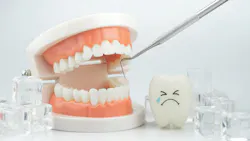
Our patients use toothpaste over 700 times a year, yet somehow, we overlook a seemingly obvious opportunity in preventive care. It’s not just a minty foam—it’s a delivery system, either supporting the work we do every day or quietly working against it.
A day in the op moves fast. Bouncing from one appointment to the next, we rinse, repeat, and move on, missing moments that could truly impact our patients’ lives. But when we slow down, we’re reminded that what we do is far more significant than just “cleaning teeth.” We are prevention specialists. It’s in moments like catching a white spot lesion that we fully step into that role. Instead of waiting for breakdown, we can intervene early, guiding our patients through demineralization and, more importantly, how to reverse it.
Every time we catch early demineralization and pause instead of immediately planning a restoration—taking a moment to explain what’s happening—we change the trajectory. Demineralization and remineralization are happening constantly, but what matters most is how we communicate this and respond clinically.
White spot lesions, for example, are often brushed off as something to “watch,” but they’re more than that. They’re an opportunity to intervene before breakdown progresses. When we shift the conversation from passive observation to active rebuilding—with tools like remineralizing agents such as Remin Pro—we begin to change the outcome.
The same applies when a patient says, “My teeth are sensitive.” I don’t hear sensitivity the same way anymore. I hear it as a signal that enamel has been compromised and that the oral environment needs support. With products like Remin Pro, which combine
fluoride, nano-hydroxyapatite, and xylitol, we’re able to address both sensitivity and early demineralization at the same time—supporting enamel repair while reducing discomfort.1
We know that sensitivity is rarely just sensitivity. It’s usually a symptom of something deeper. Dentin doesn’t just become exposed without reason. I find myself asking different questions now: Is this erosion from diet or reflux? Are we seeing cervical breakdown from clenching or grinding? Could airway issues be contributing to parafunctional habits that are stressing enamel?
I had a patient who really shifted this perspective for me. She was undergoing chemotherapy and had baseline sensitivity. Once treatment began, everything intensified. Even room-temperature water caused discomfort. Brushing became difficult. Her enamel felt fragile, and her entire mouth felt inflamed.
At that moment, the goal wasn’t perfect hygiene. The goal was support—gentle, consistent, and effective.
That’s when I introduced Remin Pro. What stood out right away to my patient was how it felt—smooth, cream-based, and gentle. And for someone with compromised enamel, that matters more than we may realize.
Within a few weeks of consistent use, my patient noticed a difference. Brushing felt more manageable and her sensitivity diminished. But more importantly, she felt like she had some control back during a time when so much felt out of her control. That, to me, is what prevention looks like—not dramatic interventions or waiting until something breaks down further, but small, intentional support that meets the patient where they are.
When we look at the formulation of Remin Pro, it aligns with what we know clinically. Fluoride supports enamel strength and resistance to acid challenges.
Nano-hydroxyapatite helps fill in microdefects and supports early repair. Xylitol contributes to a healthier oral environment by disrupting harmful biofilm activity.1
Remin Pro isn’t just one mechanism. It’s layered support.
This is how I approach recommendations now. It’s about matching the right tool to what I’m seeing clinically:
- For the patient with early demineralization who needs support before cavitation occurs
- For the patient who clenches and is starting to show cervical breakdown
- For the whitening patient who suddenly feels every sip of cold water
- For the medically complex patient whose mouth needs something gentle and supportive
In these cases, something as simple as a cream-based remineralizing agent becomes part of their daily enamel therapy.
When we begin to see a tooth cream not as an afterthought, but as an extension of the care we provide in the operatory, everything changes. We’re no longer just addressing what happens in the chair; we’re influencing the other 700 times a year patients are caring for their teeth at home.
That’s where the real impact is.
It’s not just about cleaning teeth but changing what happens to them long-term—with the right tools like Remin Pro, supporting them every single day.
Editor's note: This article appeared in the August/September 2026 print edition of RDH magazine. Dental hygienists in North America are eligible for a complimentary print subscription. Sign up here.
Reference
- Remin Pro Desensitizing Cream. VOCO. https://www.voco.dental/us/products/preventive-care/protective-dental-care/remin-pro-not-available-in-canada.aspx
About the Author
Danielle Avila, BSDH, RDH
Danielle Avila, BSDH, RDH, is a leader who empowers hygienists. With more than 15 years of dental experience, she is a clinical hygienist, writer, and speaker. Her expertise is in team harmony and boosting confidence. As a career coach, Danielle helps hygienists reignite their passion and achieve work-life harmony. She aims for all hygienists to thrive and shine. Contact her at [email protected].

Laura Bettencourt, BSDH, RDH
Laura Bettencourt, BSDH, RDH, has more than 15 years of clinical experience. A mother, wife, writer, speaker, RDH, and cofounder of L’Diamante Dental Coaching, she excels in leadership, compliance, hygiene excellence, and periodontal protocols. Laura is dedicated to inspiring growth, empowering clients with confidence and clarity. Committed to education and mentorship, she instills a positive attitude in all aspects of life. Contact her at [email protected].