Clinical tips: Periodontal assessment technology for the RDH
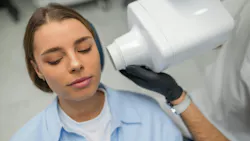
You are already running a few minutes behind. Your patient needs a comprehensive periodontal assessment, radiographs must be reviewed, and there is still patient education, treatment, and documentation to complete before the next appointment arrives. Sound familiar?
For many dental hygienists, balancing thorough periodontal assessments with an increasingly demanding schedule can be challenging. Fortunately, advances in dental technology are helping clinicians work more efficiently while maintaining high standards of patient care. Two innovations in particular—voice-activated periodontal charting systems and AI-assisted radiograph interpretation—are transforming the way dental hygienists assess, document, and communicate periodontal findings.
Benefits of voice-activation technology
One of the most significant advancements in periodontal assessment technology is voice-activated charting. Traditional periodontal charting often requires a second team member to record measurements while the hygienist probes and dictates findings. This process can be time-consuming, interrupt workflow, and create opportunities for communication errors. Voice-activated charting systems allow clinicians to record periodontal measurements directly into the patient's record through speech recognition technology.
By eliminating the need for a second recorder, voice-activated systems can improve appointment efficiency and promote greater clinical independence. Dental hygienists can complete comprehensive periodontal assessments with fewer workflow disruptions, allowing more time for patient education and therapeutic care. Additionally, automated data entry reduces the risk of transcription errors and helps ensure that periodontal findings are accurately documented.
Voice-activated charting may also contribute to improved ergonomics. Musculoskeletal disorders remain a significant occupational concern among dental hygienists, often resulting from repetitive movements and prolonged static postures. Reducing the physical demands associated with manual charting can help decrease strain and support clinician wellness over the course of a career.
New breakthroughs in radiographs
Another emerging technology influencing periodontal assessment is AI-assisted radiograph interpretation. While radiographs have long been a cornerstone of periodontal diagnosis, interpreting subtle bone loss patterns or identifying early signs of disease can sometimes be challenging. AI software is designed to analyze radiographic images and highlight potential areas of concern, including crestal bone loss, furcation involvement, calculus deposits, and other findings associated with periodontal disease.
AI as a helper
Importantly, AI is not intended to replace the clinician’s expertise. Rather, it serves as a decision-support tool that assists dental professionals in identifying findings that may warrant closer evaluation. Studies have demonstrated that AI algorithms can successfully detect periodontal bone loss on radiographic images with a high degree of accuracy, offering valuable support during the diagnostic process.1
For dental hygienists, AI-assisted radiograph interpretation provides several practical benefits. First, it can increase diagnostic confidence by providing a secondary analysis of radiographic findings. Second, it can help standardize assessments among providers within a practice, reducing variability in interpretation. Third, AI-generated visual overlays and measurements can serve as powerful patient education tools. When patients can clearly visualize areas of bone loss or disease progression, they are often more receptive to treatment recommendations and preventive strategies.
Perhaps one of the greatest strengths of combining voice-activated charting and AI-assisted radiographic analysis is the creation of a more comprehensive periodontal assessment workflow.2 Clinical probing measurements and radiographic findings can be documented, analyzed, and presented in a streamlined digital format. This integration allows dental hygienists to spend less time on administrative tasks and more time focusing on patient care.
As dentistry moves toward greater digital integration, voice-activated charting systems and AI-assisted radiograph interpretation are poised to become increasingly valuable components of periodontal assessment. By embracing these technologies, dental hygienists can improve efficiency, enhance diagnostic support, strengthen patient communication, and ultimately contribute to better periodontal health outcomes.
Editor's note: This article appeared in the August/September 2026 print edition of RDH magazine. Dental hygienists in North America are eligible for a complimentary print subscription. Sign up here.
References:
1. Krois J, Ekert T, Meinhold L, et al. Deep learning for the radiographic detection of periodontal bone loss. Sci Rep. 2019;9(1):8495. doi:10.1038/s41598-019-44839-3
2. Schwendicke F, Samek W, Krois J. Artificial intelligence in dentistry: chances and challenges. J Dent Res. 2020;99(7):769-774. doi:10.1177/0022034520915714
About the Author
 Bethany Montoya, MBA, RDH
Bethany Montoya, MBA, RDH
Bethany Montoya, MBA, RDH, is a practicing dental hygienist, educator, industry key opinion leader, and editorial director of DentistryIQ’s Clinical Insights newsletter. She has a passion for advancing modern disease prevention. She specializes in exploring the intersection of clinical practice, professional growth, and innovation within oral health care. Through her writing, she aims to educate, inspire, and spark meaningful dialogue in the dental community. She can be reached at [email protected].