Oxidative stress in the oral cavity: Can antioxidant-rich oral care support oral wellness?
Key Highlights
- Antioxidant-rich oral care may help support redox balance, complementing traditional plaque control by reducing oxidative stress in the oral environment.
- Oil pulling formulations with botanical ingredients such as turmeric, cinnamon, clove, and peppermint are being studied for their antioxidant potential, though stronger clinical evidence is still needed.
- Evidence-based prevention remains the foundation of oral health, with antioxidant oral care serving as a possible adjunct—not a replacement—for mechanical plaque removal and periodontal therapy.
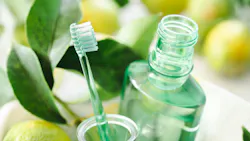
For oral health professionals, this raises an interesting question: beyond reducing plaque accumulation, are there opportunities to support a more favorable biological environment within the oral cavity?
One area receiving renewed attention is antioxidant-rich oral care.
Antioxidants function by helping neutralize reactive oxygen species (ROS) and supporting redox balance, the equilibrium between oxidative activity and protective defense mechanisms.1 Within oral tissues, this balance may influence how tissues respond to inflammatory challenges and environmental stressors. Research exploring oxidative stress in the oral cavity continues to expand, particularly in relation to periodontal inflammation and tissue response.1
Oil pulling
Among emerging approaches, oil pulling has reentered the conversation. Again, not as a replacement for traditional oral hygiene, but as a complementary wellness practice worth understanding through a modern biologic lens.
Rooted in Ayurvedic traditions, oil pulling involves swishing oil within the mouth prior to exportation. Historically promoted for oral wellness, current research is beginning to examine how certain formulations may interact with the oral environment.
While definitive mechanisms remain under investigation, proposed theories include mechanical disruption of debris, interaction with hydrophobic compounds, lubrication of oral tissues, and exposure to plant-derived bioactive compounds. Available research suggests that oil pulling may offer modest improvements in certain oral hygiene measures, though evidence remains limited and additional high-quality clinical research is needed before broad conclusions can be made.2
This is where formulation becomes interesting.
Botanicals
Many contemporary oil pulling blends incorporate ingredients selected not only for sensory experience but also for their antioxidant potential. Coconut oil and MCT oils provide a lipid-rich base, while botanicals such as turmeric, cinnamon, clove, and peppermint contain naturally occurring compounds that have demonstrated antioxidant activity in laboratory and translational research.3-5
Turmeric (Curcuma longa) contains curcuminoids, including curcumin, which continue to be studied for antioxidant activity and their influence on inflammatory signaling pathways relevant to oral tissues.3 Cinnamon contains polyphenolic compounds that have demonstrated antioxidant activity, while clove-derived eugenol has long been recognized in dentistry for its biologic activity and antioxidant potential. Peppermint contains naturally occurring phenolic constituents that contribute to its antioxidant profile.3
Vitamins
Some formulations also incorporate vitamins D and K, reflecting their broader association with general wellness. Vitamin D has been associated with immune regulation and maintenance of epithelial and periodontal health,6 while vitamin K participates in pathways involved in mineral metabolism. Although these vitamins have established biological roles, the benefits of their inclusion in topical oral-care formulations have not been established. Importantly, antioxidant-rich oral care should not be interpreted as a replacement for evidence-based preventive strategies such as mechanical plaque disruption, individualized home-care recommendations, periodontal therapy, and nutrition and behavior change.
Expanding on prevention
However, these approaches invite an expanded preventive question: beyond managing plaque through established oral hygiene practices, how might daily oral care contribute to a more balanced oral environment?
As oral health continues to move toward more personalized and systems-based models of care, future conversations may expand from simply removing pathogenic triggers to considering a broader range of preventive approaches.
Perhaps the next evolution of prevention is not only asking how we manage biofilm, but also how daily oral-care practices can complement established preventive measures and help maintain a clean, comfortable oral environment.
Additional reading: The antioxidant advantage: CoQ10’s role in fighting gum disease
Editor’s note: This article first appeared in RDH eVillage newsletter, a publication of the Endeavor Business Media Dental Group. Read more articles and subscribe.
References
- Chapple ILC, Matthews JB. The role of reactive oxygen and antioxidant species in periodontal tissues destruction. Periodontol 2000. 2007;43(1):160-232. doi:10.1111/j.1600-0757.2006.00178.x
- Peedikayil FC, Sreenivasan P, Narayanan A. Effect of coconut oil in plaque related gingivitis – a preliminary report. Niger Med J. 2015;56(2):143-147. doi:10.4103/0300-1652.153406 (Additional synthesis discussed in subsequent systematic reviews evaluating oil pulling and oral hygiene outcomes.)
- Inchingolo F, Inchingolo AD, Latini G, et al. The role of curcumin in oral health and diseases: a systematic review. Antioxidants. 2024;13(6):660. doi:3390/antiox13060660
- Lakshmi J, Srivasta BK, Eshwar S, Bharadwaj A, Suresh N, Dhillan M. Phytoextracts in dentistry from prevention to therapy—a review. J Ayurveda Integr Med Sci. 2025;10(8):76-80. doi:10.21760/jaims.10.8.14
- Yuslianti ER, Susanto A, Sutjiatmo AB, Widowati W, Ayuni V, Hadiprasetyo DS. Antioxidant and antimicrobial activities of cinnamon extract (Cinnamomum verum) for dental health. Medicinal Plants. 2024;16(4):687-696. doi:10.5958/0975-6892.2024.00071.2
- Lu EMC. The role of vitamin D in periodontal health and disease. J Periodontal Res. 2023;58(2):213-224. doi:10.1111/jre.13083
About the Author
 Amanda L. Hale, BSDH, RDH, HIAOMT, NBC-HWC
Amanda L. Hale, BSDH, RDH, HIAOMT, NBC-HWC
Amanda L. Hale, BSDH, RDH, HIAOMT, NBC-HWC, is a dental hygienist with over 15 years of clinical experience and a passion for integrating oral and whole-body wellness. She is the host of Functional Roots: The Biological Hygiene Podcast, a professional educator and key opinion leader for leading oral care brands, and a graduate of the Functional Medicine Coaching Academy through the Institute for Functional Medicine. Amanda begins her MBA at the University of Utah this fall, continuing her commitment to advancing health-care leadership and innovation. Contact her at [email protected].