How to explain periodontal findings to patients: A chairside guide
Key communication considerations
Explaining periodontal findings requires more than translating clinical terminology. Dental hygienists also need to communicate why the findings matter, address patient concerns, and establish a clear path toward appropriate care.
- Introduce findings early: Discuss changes as they emerge during the assessment rather than waiting until treatment is recommended.
- Connect findings to clinical significance: Explain what probing depths, bleeding, and attachment changes indicate without overwhelming patients with technical terminology.
- Avoid assigning blame: Patients who attend regular preventive appointments may be surprised by a new periodontal diagnosis. Acknowledge their efforts while explaining that periodontal conditions can change over time.
- Distinguish preventive and therapeutic care: Help patients understand why the recommended treatment may differ from a routine cleaning.
- Maintain consistent messaging: Coordinate with the dentist so the patient receives a clear, unified explanation of the findings and recommended next steps.
Adapted from "Courageous conversations: Talking to patients about perio without fear" by Joffree Bunleang, BSDH, RDH, this downloadable RDH Clinical Tool provides practical chairside language for explaining periodontal findings, addressing common patient concerns, and discussing treatment recommendations, along with communication pitfalls to avoid and a quick-reference checklist.
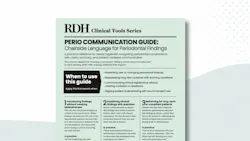
Download your free perio communication guide
Make challenging periodontal conversations easier with this printable, two-page chairside reference.
Adapted from Joffree Bunleang, BSDH, RDH, the guide provides patient-friendly language for introducing periodontal findings, explaining clinical significance, responding to common concerns, and discussing treatment recommendations.
Use it to support clear, consistent communication throughout the patient appointment.