When implants bleed: Looking beyond plaque to the biology beneath the biofilm
The patient who is doing everything right
One of the most frustrating situations in dentistry is the patient who appears to be doing everything right, yet continues to lose bone and experience inflammation. These patients brush carefully, floss consistently, irrigate daily, and show up faithfully for maintenance visits. Their plaque control may appear excellent, and yet their gums bleed heavily, their tissues remain inflamed, and bone loss around implants continues to progress.
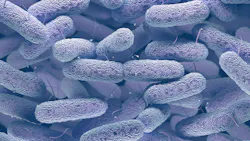
Under the microscope, however, the biofilm often tells a very different story. Instead of a calm and balanced ecosystem, we may see aggressive motile organisms, including spirochetes and rods, moving rapidly across the slide in a highly inflammatory environment. Cases like these challenge the traditional idea that periodontal disease and peri-implantitis are simply hygiene problems. They force us to ask deeper questions about the biologic environment inside the mouth and what may be driving the dysbiosis in the first place.
Implants behave differently than natural teeth
Dental implants do not function biologically like natural teeth. Natural teeth are suspended by the periodontal ligament, a living structure rich in blood supply, proprioception, and shock absorption. Implants lack this protective system. As a result, once inflammation develops around an implant, the surrounding tissues can deteriorate more rapidly and often more aggressively.
The environment around an inflamed implant becomes increasingly oxygen-poor and inflammatory, creating ideal conditions for anaerobic organisms such as spirochetes and proteolytic rods to thrive. These organisms feed on tissue breakdown products, inflammatory exudate, and the iron-rich environment created by chronic bleeding. In many ways, the inflammation itself begins feeding the dysbiosis.
This is where biological dental hygiene changes the conversation. Instead of focusing only on the amount of plaque present, we begin asking why the patient’s oral environment is selecting for these organisms. The biofilm is not acting alone. It is responding to the terrain in which it lives.
Continue reading my blog, "When implants bleed: Looking beyond plaque to the biology beneath the biofilm."
About the Author
 Barbara Tritz, MSB, BSDATE, BRDH, HIAOMT
Barbara Tritz, MSB, BSDATE, BRDH, HIAOMT
Barbara is a biological dental hygienist, oral microbiome specialist, international speaker, and author with more than 40 years of clinical experience. She practices at Green City Dental in Edmonds, Washington. Barbara serves on the IAOMT Board and is chair of the IAOMT Dental Hygiene Committee. Her biological dental hygiene work focuses on microscopy, salivary diagnostics, oxygen-ozone therapy, airway health, host response, and root-cause approaches to oral-systemic health. Visit QueenofDentalHygiene.net.