Beyond the operatory: How two RDHs integrated piercing and whitening into a clinical business




Can dental hygiene skills translate to the beauty and piercing industry? In this episode of A Tale of Two Hygienists , hosts David Torres and Jessica Atkinson speak with Laraine Lindsey and Lindsey, the founders of Glam Studio Pros. As veteran hygienists and clinical instructors, they have navigated the process of launching a business that prioritizes health and healing in a typically unregulated space.
The duo explains how their background in dental hygiene provides a unique advantage in the world of esthetic services. They discuss:
-
Clinical standards in piercing: Applying dental-grade sterilization and autoclave protocols to body art.
-
Anatomical precision: Why an RDH's experience with injections and anatomy leads to better healing and placement.
-
Safe esthetics: Addressing the risks of DIY tooth gems and non-dental whitening, and how licensed professionals provide a safer alternative.
-
Professional collaboration: The importance of working with a dentist to ensure all services meet regulatory and health standards.
-
Taking the first step: Practical advice for dental professionals looking to diversify their careers while maintaining their roles in clinical education.
This conversation offers a realistic look at how the "deep and wide" knowledge base of a dental hygienist can be used to improve patient experiences outside of traditional dental hygiene.
Episode transcript
David Torres:
Welcome back to the Tale of Two Hygienists podcast. I am David Torres, and this is episode 523. And this month of January, we are hosting dental hygienists. We're basically talking to them about how they started their clinical practice and businesses, all while practicing hygiene. And whether you've been here since episode one or you're just brand new, welcome to our conversation.
David Torres:
We're here with my co-host Jessica.
Jessica Atkinson:
Hello, podcast world! I'm Jessica Atkinson, and I have the thrill of introducing two of my favorite hygiene producers, Lindsey and Laraine, and they have offered a cute little bio, a combo bio of where it all began. And I'm going to start with this little bio and give you a teaser on what we're going to be talking about today.
Jessica Atkinson:
So back in 2016, Lindsey, a licensed dental hygienist for more than 20 years—she does not look it. I wish you guys could see her face. She's very young.
Lindsey:
I feel it.
Jessica Atkinson:
Well, she met Laraine, who's been in the field for 16 years, at a dental office in Orem. Their shared passion for clinical excellence led them to become instructors at my alma mater, the Utah College of Dental Hygiene, where something interesting started to happen.
Jessica Atkinson:
They noticed that more and more students were sporting piercings, even if they weren't allowed in clinic. I was like, "Well, we could talk," but not always in the safest or most sanitary ways. And that observation sparked an idea, and they started a business of piercing. Yes, a piercing business! In addition, they also do whitening, and I'll have them talk a little bit about that as well.
Jessica Atkinson:
In addition to the joint bio, I would like to know what each of you individually would love to be known for. Like if you were to give your elevator speech and this was like, what you're going to leave the world of to be known in your professional space, what would it be?
Laraine:
Oh, that's deep. I often think here, if I was to give my elevator speech... Well, first off, I would for sure want people to know that the world of dental hygiene has been—I'll just start, Lindsey, you know I had you go through—the world of dental hygiene has been something that's been valuable in my life.
Laraine:
And I feel like I have had a role in that that's fulfilled me. And that's one thing that I want people to know. And then the entrepreneurial spirit in me has always been there, even before I found hygiene. I do want to be successful at whatever I do. And being able to start this business, honestly, has been just as fulfilling as being able to graduate from dental hygiene school and go on and feel like I was successful in a career.
Laraine:
The biggest thing—I don't know if there's one main thing—I just hope I'm making a difference. I hope I make a difference somewhere, whether it's in my hygiene career or in a little girl that can get a piercing that they feel like it was a great experience.
Jessica Atkinson:
I love that.
Lindsey:
And I would say, I would say kind of the same thing. I mean, when I was going to high school, I knew dental hygiene was for me. That was my ultimate goal. And I think for me, it all kind of boils down to your patient experience. I think one thing that Laraine and I do really well here is the experience that people get. I love that they can come in and say, you know, they feel like we're friends.
Lindsey:
They know that they're in a clean, sterile environment. But just the friendships that you build while running a business. And same thing from a client perspective. I think, you know, it just made my day when I could build those relationships over the years and provide good dental hygiene care or services.
Jessica Atkinson:
Being an entrepreneur, you're going to go down in history.
Lindsey:
I hope so! We're trying.
Jessica Atkinson:
Well, you've gone down in my own personal history, so I had an opportunity to be one of their clients, which was so fun. It was so fun. Tell us, tell us a little bit about how I became one of your—well, this actually how I became your client. It started—our discussion about me getting a second piercing started way before I actually got it, which I really appreciated.
Jessica Atkinson:
Part of that patient experience is that it was a process. And, you know, with any you, whether it's in your dental chair or your piercing studio, sometimes people aren't ready for what maybe they want or what maybe they need. And so tell us a little bit about how I came to sit on your piercing studio table with many other people.
Laraine:
Do you want to talk about the—
Lindsey:
Yeah. So another co-hygienist that we work with, she is a part of UDHA. And she just—we were talking one day at lunch and she's like, "I want you guys to come to the Utah Dental Hygiene Association meeting and do piercings. Be a vendor there." And so we—there's a lot of hoops to jump through as far as getting, like, licensing from the Salt Lake County Health Department.
Lindsey:
Each place that we go and pierce, we have to follow strict regulation rules as far as getting our temporary permits. But we jump through all of the hoops, and we were able to come as dental hygienist piercers and be at the dental hygiene convention. We spent the whole day on our feet there.
Laraine:
We did.
Lindsey:
You did.
Jessica Atkinson:
So I, as a participant of this conference, was able to be on the vendor floor and got my ears pierced with all of my friends. It was awesome. It was super fun. There was always an audience.
Lindsey:
Yeah. One thing I thought—I felt—was really great was, you know, people realizing we were hygienists doing our second little side gig.
Lindsey:
But as we—we use a periodontal probe to actually map out ears and map out your ears and measure to make things look right. And but it was so fun. The hygienists, as we were measuring, they were taking selfies, you know, because they were excited that we were able to use a periodontal probe in our ear piercing business.
David Torres:
So I gotta ask that because I've noticed most of our listeners are obviously dental professionals. And me now thinking back about getting an ear piercing with a—when I would have a periodontal probe, but like getting it measured—I'm inspired to get another ear piercing, you know what I mean? Like I want to be able to kind of relate that experience.
David Torres:
But I'm so curious to hear you guys describe the main difference between getting an ear piercing traditionally to what you guys provide and how you kind of tied that back into the dental world.
Laraine:
I think that's kind of what got us going is there’s—we teach sterilization, we teach at the school, you know, how to keep bloodborne pathogens from entering places they shouldn't be. And just knowing kind of what we know, that there's a lot of education on that. And then there's people with little education on that, and possibly just taking an online test in the piercing world to get a certificate isn't the same as living that every single day like you do in a dental office.
Laraine:
And so we felt that there's a lot of funky, fun tattoo shops that do this kind of thing, and to each their own. That's great. And there's a lot of groovy and funky piercing shops that don't do tattoos but are just kind of... We noticed there were chairs in those shops that were cloth, which was kind of alarming to say the least, because you can't wipe down a cloth chair.
Laraine:
And we just realized that a lot of times when you go to the mall, they're just piercing with a gun, and it's actually very traumatic for your tissue when you pierce with a piercing gun. So we wanted to do this whole needle piercing. We wanted to get an autoclave. We wanted to make it the most health—it's, you know, if you think about it, it could be considered a medical procedure.
Laraine:
And we didn't want the place to feel like a doctor's office, necessarily, but we also didn't want it to feel like somewhere that was not appropriate for a medical procedure. So I think we have a good mix of that. And with the needle—if you want to talk a little bit about why the needle is better.
Lindsey:
Yeah. So the hollow needle actually, because it's got a sharp edge, it actually just slices right through the ear, which it doesn't cause the trauma that the piercing gun causes.
David Torres:
That's fascinating. Yeah, I didn't—I never would have imagined that that was, like, a thing. Again, I'm feeling inspired to get an ear piercing. Guys, in there, you guys can pick me up.
Jessica Atkinson:
Hey, I know a great place, David!
David Torres:
And you're in Utah. I know a really great place. I will absolutely be in that chair and taking selfies, probably vlogging the whole...
Lindsey:
I'll even take a picture for you.
Jessica Atkinson:
I had a good friend—I have a video of it, I have all the things. So with my experience, something that's stuck with me is the earrings that I got came in an autoclave bag. They opened the autoclave bag in front of me of my brand new earring that had been sanitized, sterilized, all of the above-ized. And that was a new experience for me. I've had multiple piercings, so I've had multiple experiences, and this was the first time I really felt that I was being extra cared for.
Jessica Atkinson:
There was that extra layer, and it wasn't just a layer of care; it was a layer of education that I felt that I was like, "Wow, this is something that most people wouldn't think about when they're getting their ears pierced—that these things are going into your body, into an open wound." You know, I just had a hollow needle piercing.
Jessica Atkinson:
I have exposed skin, and I had to put something in there that's been autoclaved. I think that sets you apart. And I'm wondering what your experience has been with the community on maybe experiencing something that seems extra.
Laraine:
I'll just tell what first came to my mind when you asked that is how many people have told us honestly—and I didn't know any better either—"Wow, I never realized what I was doing when I just got my ears pierced as a teenager, and I showed up at this little hole-in-the-wall place, and some young girl had this device and they pierced my ear. I just thought I was getting my ears pierced. There's nothing more to it."
Laraine:
And I think, honestly, most of the people that really watch for the care that we put into it are surprised at the difference, just like you are. You know, "Why do they need to be sterilized?"
Lindsey:
One thing that kind of... we did an apprenticeship with an amazing piercer, and when we got there, she knew that we were dental hygienists. And she said, "You know, we're going to talk about some of... we're just going to briefly go over bloodborne pathogens and how we do things here."
Lindsey:
But it got to the point where Laraine and I were kind of looking at each other. She had her earrings all in a little plastic tub that weren't sterile. She would dip them into Barbicide before she would pierce with them. And Laraine and I just knew that that could be done a lot better. And so actually, we have our own dental-grade autoclave that we have purchased, and we actually bag and autoclave and organize all of those earrings.
Lindsey:
And it takes a lot of time. It's a big step for us. But one thing that's been great is the lady that did the apprenticeship with us—she actually reached out to us and said, "Hey, can you guys help me get an autoclave? Can you guys show me what system you use to keep those earrings sterile and organized?"
Lindsey:
And so we've been able to collaborate with her and share our expertise from a dental hygiene perspective with sterilization, and we've helped her out as well.
David Torres:
Collaboration is key. And that kind of—that's amazing that you're able to kind of make an industry change as well, right? Setting up those standards a little bit higher. Can you guys take me back to who decided this?
David Torres:
Whose idea was this? Collaborating with each other? Like who was the person responsible for saying, "We need to start a business"?
Laraine:
It wasn't me! Let's just say that.
Lindsey:
Well, Laraine is very creative. Laraine and I have worked together for about ten years, but for me, I just—I needed something more than just dental hygiene.
Lindsey:
And some of the students came in and they had been to the lady that trained us getting piercings. And I just thought, "Gosh, we give..." I love injections; that's my favorite thing to teach, my favorite thing to do. But I just thought we could be so good at that. And Laraine and I carpool to work, and Laraine has struggled with some migraines.
Lindsey:
And she—I got talking to her about piercing, and she's like, "You know, it'd be a great thing to have a great sterile environment with dental hygienists doing these piercings rather than having to go into a tattoo shop." You know, we wanted to provide a safe space for little girls to be able to come in and have that great first experience getting those piercings.
Lindsey:
So I kind of thought about it and I said, "I think I'm going to do this apprenticeship," and Laraine’s like, "Let's do it!" And so that's kind of where it started. And then going back to the migraines, my experience was years and years of just suffering. And there's a piercing that actually has helped a lot of people feel relief from migraines, whether it's decreasing the intensity of them or decreasing the amount of times you get a headache.
Laraine:
And I had to go to a tattoo shop, which, like I said, there’s great people piercing out there at these places. But it was very, very intimidating for me; I felt very out of my element. And I got my piercing, and that's what kind of brought that up, too, is like that could be a better experience for a lot of people.
Lindsey:
And then on top of that, we thought, "Well, what else? If we're not going to be piercing 24 hours a day at a studio to make money, what else could we do?" And that's why we added other expertise of whitening, which we do dental-grade whitening in collaboration with a dentist. So we have a dentist on our board that helps us to be able to do that.
Lindsey:
And then we also started offering tooth gems, which also has collaboration with the dentist, because people are putting those on with superglue.
Laraine:
Oh, that's not—no.
Jessica Atkinson:
That’s not good.
Lindsey:
Yeah. We had a patient in the other day at the school that had been to Hobby Lobby and had their grill all superglued up.
David Torres:
Oh my gosh, that's amazing.
Jessica Atkinson:
Yeah, that—I just cringe.
Laraine:
Just the applications! I just cringe the things that I see people do without a background knowledge of what that could be doing to your teeth.
Jessica Atkinson:
Have you experienced people coming in that you think to yourself, "Oh, my. If they were a pop-up tooth whitening gem-placing situation, this could have gotten really sideways"?
Lindsey:
And so I think that's what's frustrating is, you know, being a licensed dental professional, there’s people out doing whitening that have no dental background. There’s people out doing tooth gems that have no dental background. In fact, I've watched a lot of videos and, you know, there was one lady that I watched and she was etching the tooth and she's like, "This is how we clean it."
Lindsey:
And I'm like, "That's not actually how it works." But there's just no dental knowledge. But the thing for me is, you know, we have to jump through a lot of hoops as dental professionals to make sure we have that collaboration with the dentist and be regulated that way and do things very well. But then there’s people who don't have the dental knowledge that just do it all the time.
Laraine:
Yeah, I think for us too, at first we're like, "Well, do we want to offer tooth gems?" Because there's a little controversy in your mind. Like, "Do you want to put that on someone's tooth?" It's not superglue. We don't use superglue. And that's why we decided, you know what? There's people that are going to do it.
Laraine:
Why would we not offer to have that done with dental-grade supplies on a tooth where a dental professional has looked at and agreed whether they can see, you know, a reason to visit a dentist first before you approve something like that? I just feel like people were going to do it anyway. And it's not—it’s not our baby.
Laraine:
Like we said, the piercing is our baby of our business. But you know, wherever that started was the piercing and it just kind of grows.
Jessica Atkinson:
You know, when you guys are talking, I keep—I'm having this clip from—oh my heck, the name of the sitcom just went out of my head with Amy Poehler. And it’s Ron—
David Torres:
Why can't I think of it? It's—it’s Parks and Rec .
Jessica Atkinson:
Thank you, thank you, David! I was going to ask that, but I was like, "I don't... this is..."
David Torres:
Well, the thing that kept on coming to my head is 30 Rock . I'm like, "No, no, not Tina Fey. Amy Poehler." I'm like, "Oh, I'm getting in the right lane anyway."
Jessica Atkinson:
But there’s this time that Ron is in, like, a Home Depot, as you know, and the guy comes up and is like, "Hi, is there anything I can help you with?" And Ron looks at him, he goes, "I know more than you." And I think so often we hear of these situations or experiences where you go, "You know what?
Jessica Atkinson:
I have a knowledge base that is deep and wide and can be applied to these situations and make them more, you know, health-conscious, make them more effective, make them safer." And I really love that you two have taken that opportunity and said, "Hey, you know what? Piercings—a deal; whitening—a deal; tooth gems—that's a deal.
Jessica Atkinson:
And people are doing it. And we can do it in ways that will preserve tooth structure. We can do it in ways that will be more conscious of sterilization. We can do these things with our knowledge base that makes it better." And that's amazing. Listeners, this is super important to understand. I mean, Lindsey made a comment: "I love giving injections."
Jessica Atkinson:
There's a lot of us that were like, "Yep, that's me." And there's a lot of us that were like, "No way! Like, injections is the toughest part of my job." Lindsey, obviously you mentioned the injections. Was this part of your passion? Do you guys have, like, a favorite procedure? Like, what you like doing with your personal business?
David Torres:
And, you know, tell the listeners how being able to find a passion of giving an injection translates to a business. You know, hollow needle ideas—hollow needle.
Lindsey:
I think if we're going to talk about—yes, that's my favorite injection to give. It’s a challenge, right? If I had my perfect job all day, I would give injections room to room to room like that.
Lindsey:
I love it. But there’s a lot of similarities. You think—in my mind, before I had background on piercing, I thought, "Oh, you just shove a needle through the ear and that's how you do it." But there’s a lot of things that affect the way that things heal. So just like angles with injections for dental hygiene, angles are very important for piercing and the way that we get things to heal.
Lindsey:
If things are parallel, it leaves earrings on a slant, which can cause trouble with aftercare, with the healing, and then also with trying to get your earrings in. For me, one of my favorite procedures here at the studio—I like to do daith piercings. They’re challenging, just like the injection. It’s not just poke a hole through the ear; it actually feels like a procedure.
Lindsey:
And there's certain things that you have to do as far as making sure your needle is in deep enough so that the earring doesn't reject. So angles and depth—there’s a lot of knowledge more than what you think, "Oh, just put a needle through the ear."
Laraine:
Yeah. And I would add just even when you're trying to translate the knowledge that you have—for me, what comes from dental hygiene is when that person walks away and feels aware, just like you said,
Laraine:
Jessica, "I left knowing things I never knew about getting a piercing and aftercare that I never had been taught." I love with dental hygiene when someone walks away with more information than they came with that they'll use. And I think that I have a lot of pride in knowing that when someone leaves, I've given the opportunity for them to ask questions.
Laraine:
I've given them the opportunity to be confident before we ever pierce their ear. Just I think that translates for me in some sense. I do like injections, but you know, that would be more of where I think it translates.
Jessica Atkinson:
Your motivational interviewing skills take us—if that's what you got for that—is I love that.
Lindsey:
But one thing, one big thing that has stood out to me as we've done this business... you know, we have a lot of studios that do aesthetic-grade whitening, and it's always interesting.
Lindsey:
We've had a couple of different cases that they’ve came in and they’ve spent a lot of money trying to whiten their teeth, and they get in here and we look at them and we can see that they've got a dead tooth, an non-vital tooth. And it's interesting to me that people will go and spend money—and people can whiten teeth with no dental education—but then come to us and it's almost life-changing because, you know, "Hey, I can't get this tooth in the front to whiten."
Lindsey:
And then when Laraine and I can educate them on what's happening—why all of this money that they spent, it's not helping to change the whitening or the aesthetic results of their smile—but just having that dental knowledge and being able to get them in the right hands is a great thing.
Jessica Atkinson:
Being in the right hands. And you are the right hands to get piercing, and you're the right hands to get whitening. You're the right hands.
Laraine:
Yeah, we hope so.
Jessica Atkinson:
Well, I was—they sent a little article. Not little! This is a great article. Not little; this is a big deal that you have hanging in your studio. And I'm looking for the author of who wrote it so I can give credit where it's—so Tiffany said something that I really loved and I want to read it from her article.
Jessica Atkinson:
She said, "Glam Studio Pros isn't just a place to get piercings or whiten your teeth; it’s a business built on trust and professionalism. In a world where beauty services can sometimes feel rushed or risky, Lindsey and Laraine offer something rare: a place where science meets style, and where your health and healing are always prioritized."
Jessica Atkinson:
And I really think that that encapsulates who you are as professionals and what you will be known for is that patient experience of recognizing in someone that they deserve to be cared for and cared for really well. And I just want to give a huge shout-out and thanks to you for taking dental hygiene knowledge and showing that it can be applied in so many ways that really elevate the human experience.
David Torres:
I have a lot of friends in this industry, in the dental industry, that they think about doing things like this all the time, but there’s a lot of hesitation. If you guys just listen to what Jessica said about the article, and you feel like you have goosebumps on how enlightening it was and inspired, I want you to remember that sometimes we hesitate starting because of our fears.
David Torres:
But sometimes you wake up one day and there’s an amazing article written about your business and how far you've taken it, and how you can inspire others to do the same. Lindsey and Laraine, what words of wisdom, inspirations do you have for that one person who's like, "2026 is the year where I'm going to get it going"?
Lindsey:
I would say do it. I am so grateful for this business and what it's brought for me and my family.
Lindsey:
It's amazing working with a partner. We feel like we really balance each other out. We have different strengths, but I would say don't wait. I wish I would have done it sooner.
Laraine:
And I mean, I would—that rings to me too. And maybe for me it was, "I don't know if I'm ready to stop doing one thing and start doing something else."
Laraine:
And like Jessica said, we still teach at the college and we've made this business happen at the same time. If you think that you're going to have this day where you're like, "Today's my ready day, I'm ready"—that day may never come. And in fact, the day that it does is probably something that no one's ever experienced, because really, you just have to take the step.
Laraine:
You just have to go. Being ready isn't the thing.
Jessica Atkinson:
Mic drop. But I won't—I won't drop my mic because it's brand new. But I'm just really grateful to be able to associate with fellow professionals that have a vision for how dental hygiene can be applied in so many different ways. And thank you for my beautiful second piercing.
Jessica Atkinson:
And if you guys are looking for any inspiration or how-to's, you can contact the Glam Studio Pros. We will link all of their information in the show notes. So if other people want to reach out to you, which is—for what you've given us—what is the best way, do you think?
Laraine:
If they want to reach out—if they see the phone number on our website or Instagram, we always watch Instagram for messages. And then there is a contact or a chat on our website as well.
Laraine:
So any of those, we are always watching and ready for.
David Torres:
And David, we're—we're ready for you.
David Torres:
Oh my gosh, I got to be in town and we will record and document this whole experience. I am down. You will leave a permanent mark in, like, good as—right as you have in all of our listeners today. Thank you so much for joining us.
Laraine:
Thank you for having us.
Lindsey:
Yeah.
David Torres:
And I will see you later. And I got to say, we'll see all you listeners later, but I won't see you, but I will—I will in the ether. Let's listen—your ears listening to me. That's not making sense. But till next time, thanks for coming to A Tale of Two Hygienists. We appreciate you being here with us.
About the Author
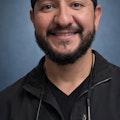 David Torres, CRDH
David Torres, CRDH
David Torres, CRDH, cohost of A Tale of Two Hygienists, is an experienced dental hygienist with over a decade of clinical expertise, specializing in patient education, preventive care, and the integration of modern dental technologies. Known for his passion for teaching, campus recruiting, and coaching, David is dedicated to elevating patient experiences while helping dental professionals improve efficiency, workflow, and long-term success.
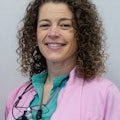 Jessica Atkinson, MEd, BSDH, RDH, FADHA
Jessica Atkinson, MEd, BSDH, RDH, FADHA
Jessica Atkinson, MEd, BSDH, RDH, FADHA, is a dental hygiene educator, clinician, and advocate dedicated to advancing the profession through innovation and education. She combines her clinical expertise and love for education to create engaging, practical learning experiences. Jessica is an Associate Professor and Senior Clinic Coordinator at Utah Tech University, co-host of A Tale of Two Hygienists, and CEO of HYGIENE edgeUCATORS, where she develops continuing education for educators and clinicians. She co-founded Hygiene Edge, a platform with over 100,000 YouTube subscribers. Recognized with the Element Award and Outstanding Service Award, she is a Fellow of the ADHA and past president of UDHA.