When iron gets locked away: Periodontitis, hepcidin, and the red cell story
Key Highlights
- Periodontitis may contribute to systemic inflammation that affects iron metabolism and red blood cell production.
- The IL-6–hepcidin pathway may help explain links between periodontal inflammation, altered iron availability, and anemia.
- A patient’s anemia and periodontal status can provide valuable context for medical history review and communication with their health-care team.
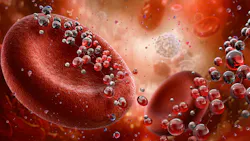
Here is a connection we do not talk about very often in dentistry: periodontitis and red blood cells. Most of us wouldn’t look at a low hemoglobin or hematocrit and immediately think about periodontal inflammation. Nor should we. Anemia has a long differential diagnosis, and periodontitis is certainly not the explanation for every abnormal CBC.
But a growing body of research suggests that periodontal inflammation may influence hematologic health. The more interesting question is how. A quick distinction is helpful here: red blood cells are the cells themselves, while hemoglobin is the iron-containing protein inside those cells that carries oxygen. The story appears to involve inflammation, iron, and a small peptide hormone called hepcidin.
What is hepcidin?
Hepcidin is one of the body's main regulators of iron. When inflammation rises, particularly through signaling involving interleukin-6 (IL-6), the liver increases hepcidin production. Hepcidin then reduces the activity of ferroportin, the protein that moves iron out of intestinal cells and storage cells and into circulation.
Think of it as locking iron in the storage closet. The body may still have iron, but less of it is available to the bone marrow for red blood cell production and hemoglobin synthesis. This is sometimes referred to as functional iron deficiency and is part of the physiology behind anemia of inflammation.
Where the lab work gets interesting
And here is where the lab work can get interesting. A patient can have low circulating iron without truly being iron depleted. Ferritin, the protein that stores iron and reflects the body’s iron reserves, may even be normal or elevated because it also rises with inflammation. So the picture can look very different from straightforward iron-deficiency anemia. In other words, sometimes the problem is not that the body has no iron. The problem is that inflammation is changing where the iron is and whether the body can use it.
So where does periodontitis fit in?
Periodontitis is a chronic inflammatory burden. In susceptible patients, the inflammatory response does not remain neatly contained within the gingival tissues. Cytokines and other inflammatory mediators enter the circulation and contribute to a systemic response.
A 2023 systematic review and meta-analysis examining 26 studies found that patients with chronic periodontitis had significantly lower hemoglobin, red blood cell counts, and packed cell volume compared with healthy controls.1 That does not prove periodontitis causes anemia, but the consistency of the association deserves attention.
Han and colleagues examined anemia-related changes in periodontal disease and found higher inflammatory markers and hepcidin along with lower serum iron and altered hematologic measures.2 Their work implicated the IL-6–STAT3–hepcidin pathway, essentially showing how inflammatory signaling may increase hepcidin and reduce the amount of iron available for red blood cell production. Then came another interesting finding: treat the periodontal inflammation, and some of those iron parameters move.
A 2025 study involving patients with stage III and IV periodontitis found higher hepcidin and ferritin and lower serum iron and transferrin compared with healthy controls. After nonsurgical periodontal therapy, hepcidin and ferritin decreased while serum iron and transferrin improved.3 Greater periodontal severity was also associated with more disruption in iron metabolism.
It does not mean scaling and root planing is a treatment for anemia. It does not mean we should tell a tired patient that their periodontal disease is why their hemoglobin is low. Anemia can reflect blood loss, nutritional deficiency, kidney disease, gastrointestinal disease, malignancy, medications, and many other conditions that require medical evaluation. Chronic inflammation can alter the way the body handles iron, and periodontitis may be one contributor to that inflammatory burden.
The medical history
For dental hygienists, this is another reason the medical history deserves more than a quick glance. A patient mentions anemia. Their hemoglobin has been running low. They are taking iron but are unsure why. They also happen to have significant periodontal inflammation.
It doesn’t give us a diagnosis, but it does give us context. It may lead us to ask a better question: Has your physician determined what is driving the anemia? It may also open the door to communication with the medical team. More importantly, it is another reminder that what we see in the mouth is often connected to a much larger physiologic picture.
Also by the author: On the “pulse” on cardiovascular wellness through dental treatment
Editor’s note: This article first appeared in RDH eVillage newsletter, a publication of the Endeavor Business Media Dental Group. Read more articles and subscribe.
References
- Roberts M, Jimson S, Srinivasan M. Are adults over 18 years of age with anaemia more likely to develop chronic periodontitis than adults without anaemia? – A systematic review and meta-analysis. J Int Soc Prev Community Dent. 2023;13(4):287-298. doi:10.4103/jispcd.JISPCD_37_23
- Han Y, Luo Z, Yue ZG, et al. The tendency of anemia of inflammation in periodontal diseases. Clin Sci (Lond). 2023;137(3):251-264. doi:10.1042/CS20220524
- Han Y, Sun Y, Shu C, et al. Hepcidin-regulated iron metabolism disorders in patients with stage III/IV periodontitis. J Dent Sci. 2025;20(2):995-1001. doi:10.1016/j.jds.2024.10.028
About the Author
 Anne O. Rice, BS, RDH, CDP, FAAOSH
Anne O. Rice, BS, RDH, CDP, FAAOSH, founded Oral Systemic Seminars after over 35 years of clinical practice and is passionate about educating the community on modifiable risk factors for dementia and their relationship to dentistry. She is a certified dementia practitioner, a longevity specialist, a fellow with AAOSH, and has consulted for Weill Cornell Alzheimer’s Prevention Clinic, FAU, and Atria Institute. Reach out to Anne at anneorice.com.