Dental radiographs for children: Importance and comfort tips
Key Highlights
- Pediatric radiographs help detect caries, trauma, developmental concerns, and other conditions that may not be visible during a clinical exam.
- Individualized imaging decisions and radiation-safety practices help ensure each radiograph is justified and appropriate for the child.
- Tell-show-do, distraction, proper positioning, and strategies to manage gagging can make pediatric radiographs more comfortable and successful.
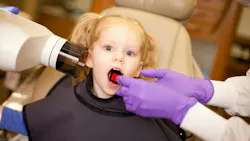
Dental radiographs are an important part of comprehensive pediatric dental care, because many oral conditions cannot be fully identified through a visual examination alone. For children, radiographs can help dental professionals detect disease, evaluate developing teeth, identify trauma, monitor growth and development, and plan appropriate treatment.
However, obtaining radiographs from young patients can also present challenges. The size and positioning of intraoral sensors, the need to remain still, unfamiliar equipment, and the possibility of gagging can make the experience uncomfortable or intimidating. Pediatric radiography requires more than technical skill. It requires careful patient selection, radiation safety, effective communication, and an individualized approach to behavior guidance.
How radiographs are used in pediatric dentistry
Dental radiographs provide information that cannot always be obtained during a clinical examination. In children, radiographs may reveal interproximal caries, developing permanent teeth, missing or supernumerary teeth, abnormalities in eruption, periapical pathology, bone changes, and dental trauma. Radiographs can also assist the dental team in evaluating the progression of oral disease and determining the most appropriate treatment.
The American Academy of Pediatric Dentistry (AAPD) emphasizes that radiographic examinations should be selected according to the child’s age, stage of dental development, any clinical findings, medical and dental history, and individual risk factors rather than according to age alone.1,2
This individualized approach is particularly important because children are still developing dentally. Primary teeth are being replaced by permanent teeth, roots are resorbing, and permanent tooth buds are developing within the mandibular and maxillary jaws. A radiograph can provide valuable information about this process and help the dental professional identify developmental concerns before they become more complicated.
Radiographs are also important for diagnosing dental caries. Proximal surfaces can be difficult or impossible to visualize clinically when teeth are tightly contacting one another. Bitewing radiographs can provide information about areas that cannot be adequately examined with an explorer or visual inspection alone. In addition, radiographs can be particularly valuable when a child has a history of caries or other risk factors that increase the likelihood of developing oral disease.1,2
Radiation protection
Although dental radiographs provide significant diagnostic benefits, radiation exposure should always be considered. Children deserve special attention to radiation protection because they may require dental imaging throughout their developing years. The goal is not to eliminate radiographs, but to ensure that each exposure is justified and performed appropriately.
Tips for making pediatric patients comfortable during radiographs
Technical accuracy is only one part of successful pediatric radiography. A child who is frightened, uncomfortable, or unsure of what is happening may have difficulty cooperating. The AAPD recommends individualized behavior guidance based on factors such as temperament, previous dental experiences, treatment needs, and previous behavior during dental care.1,2 Basic approaches include how we communicate, using tell-show-do, positive reinforcement, distraction, and desensitization.3
One of the simplest strategies is to explain the procedure using age-appropriate language. Instead of immediately placing a sensor in the child’s mouth, the dental professional can briefly explain what will happen and use a demonstration of the equipment. For example, show the child the sensor (phosphorus plate or sensor tab) prior to placing it in the mouth and say, “This will take a picture of your teeth.”
Avoiding frightening or overly technical descriptions can make the procedure feel more predictable. Distraction is another practical strategy. Audiovisual distraction, music, conversation, a favorite video, or even a simple game can redirect a child’s attention away from the sensor and the radiographic equipment.
Related: The sound of fear: Reduce noise to reduce dental fear
How to prevent gagging
Gagging can be one of the greatest obstacles to obtaining intraoral radiographs. The sensor may stimulate sensitive areas of the mouth, particularly the tongue and posterior oral tissues.
A clinical study completed in 2025, with children ages 4–9, found that gagging during intraoral radiographic examinations was associated with poorer cooperation. The study also found that children who had radiographs after becoming familiar with the dental environment demonstrated better cooperation than children who received radiographs during their first visits.4
For children with a strong gag reflex, the clinician should remain calm and avoid making the child feel embarrassed. Acknowledge the child’s discomfort and provide simple instructions for breathing and positioning. The sensor should be positioned efficiently, and unnecessary manipulation should always be avoided. Ensure you obtain the smallest appropriate receptor and use proper positioning techniques to help reduce discomfort.
Current recommendations
Dental radiographs play an important role in pediatric dentistry because they provide information that cannot always be obtained through a clinical examination alone. At the same time, radiographs should never be taken simply because a child has reached a certain age or because imaging is routinely scheduled. Current recommendations support individualized prescribing and careful radiation protection.1,2,5
The technical quality of a radiograph and the child’s emotional experience are equally important considerations. Explaining the procedure, using tell-show-do, providing a distraction, allowing gradual exposure, addressing gagging, offering appropriate choices, and always using positive reinforcement can make radiographs more comfortable and successful.
Additional reading:
Editor’s note: This article first appeared in RDH eVillage newsletter, a publication of the Endeavor Business Media Dental Group. Read more articles and subscribe.
References
- Behavior guidance for the pediatric dental patient. The Reference Manual of Pediatric Dentistry. American Academy of Pediatric Dentistry; 2025:379-399.
- Prescribing dental radiographs for infants, children, adolescents, and individuals with special health care needs. The Reference Manual of Pediatric Dentistry. American Academy of Pediatric Dentistry; 2025:332-336.
- Elicherla NR, Saikiran KV, Anchala K, Elicherla SR, Nuvvula S. Evaluation of the effectiveness of tell-show-do and ask-tell-ask in the management of dental fear and anxiety: a double-blinded randomized control trial. J Dent Anesth Pain Med. 2024;24(1):57-65. doi:10.17245/jdapm.2024.24.1.57
- Athanasiadou P, Arhakis A, Balli D, Zarkadi AE, Arapostathis K, Boka V. The impact of radiographic examination timing and gag reflex on dental fear and cooperation in children: a comparative clinical study. Eur Arch Paediatr Dent. 2025;26(2):375-383. doi:10.1007/s40368-024-00993-5
- X-rays/radiographs. American Dental Association. Updated March 26, 2026. https://www.ada.org/resources/ada-library/oral-health-topics/x-rays-radiographs
About the Author
Tiffini Campbell, RDH, EFDA
Tiffini Campbell, RDH, EFDA, has six years of experience in pediatric dentistry as an expanded functions dental assistant and registered dental hygienist. She is dedicated to providing compassionate, high-quality care to children and their families. Her background includes preventive care, patient education, and creating positive dental experiences that promote lifelong oral health. Tiffini is passionate about building trusting relationships, supporting healthy smiles, and helping young patients feel comfortable and confident during their dental visits.
Related
 pediatric-dental-patient-care
 Dreamstime Xxl 116731998