Dental hygiene diagnosis: turning clinical findings into better care




Episode highlights
-
Connect assessment to diagnosis. Assessment and diagnosis go hand in hand. Hygienists use evidence and critical thinking to identify risks, recognize oral conditions, and determine when to treat or refer.
-
Understand the scope-of-practice conversation. Understanding the scope of dental hygiene diagnosis can help hygienists feel more confident in their clinical judgment and communicate the value of their role to employers and patients.
-
Make documentation meaningful. Thorough documentation does more than fill out a chart. It supports clinical decision-making, helps guide appropriate care, and can contribute to better patient outcomes.
-
Look beyond the oral findings. Observing and documenting patient behaviors, health history, and social determinants can contribute to a more complete picture.
-
Consider the future of the profession. Embracing dental hygiene diagnosis can strengthen hygienists’ role on the broader healthcare team and support conversations around professional recognition, autonomy, and full practice authority.
Episode description
Dental hygiene diagnosis is an important part of the process of care, but how does it translate into everyday clinical practice? In this episode of A Tale of Two Hygienists, Jessica Atkinson and Dave Torres talk with dental hygiene leaders Darlene Swigart, Ann Eshenaur Spolarich, and JoAnn Gurenlian about interpreting assessment findings, using clinical judgment, and connecting what hygienists observe to the care patients need.
The conversation explores the relationship between assessment and diagnosis, questions surrounding caries and scope of practice, and why clear clinical documentation matters. The panel also looks beyond the mouth to consider whole-person health, social determinants of health, and the role of dental hygiene diagnosis in supporting individualized, evidence-based care. For hygienists who want to strengthen their clinical reasoning and better understand the professional implications of the diagnosis process, this discussion offers plenty to consider.
A Tale of Two Hygienists podcast – Episode 559
Meet the panel: Leaders in dental hygiene — 02:31
Dave Torres: Hey, listeners! You could be doing anything right now, and you chose to invest in yourself and spend time with us. That already tells us everything we need to know about what kind of clinician you are. Welcome back to another episode of A Tale of Two Hygienists. I am your co-host Dave, and I'm here with my amazing co-star, Miss Jessica.
Jessica Atkinson: Hey, everyone! We're joined today by some heavy hitters in dental hygiene to talk about some of the most important things we do in our daily clinical and professional lives. I'm going to read some bios that you're going to be impressed with.
We're going to start with JoAnn Gurenlian. She is the Director of Education, Research and Advocacy for the American Dental Hygienists' Association.
She's also a professor emerita for the Department of Dental Hygiene at Idaho State University. She's a fellow in the ADHA, an affiliate academic fellow in the American Academy of Oral Medicine, and a past president of the ADHA and the International Federation of Dental Hygienists.
Dr. Gurenlian is the author of over 350 papers in dental hygiene, dental, and medical publications, and has conducted over 650 presentations at regional, national, and international events.
See what I mean by heavy hitting?
Jessica Atkinson: Next, we've got Darlene Swigart. She's an EPDH. Darlene, tell me what EPDH is.
Darlene Swigart: Expanded practice dental hygienist in Oregon.
Jessica Atkinson: Awesome. We've got a restorative hygienist with us in the house. Heavy hitting here! She has a master's degree and is also a fellow in the ADHA. She serves as an associate professor of dental hygiene at Oregon Institute of Technology in Klamath Falls, Oregon, where she's the Master of Science in Dental Hygiene Graduate Program Director and first-year clinical lead.
She's a fellow in the American Dental Hygienists' Association and a member of the Journal of Dental Hygiene Editorial Advisory Board. Darlene served on the American Dental Hygienists' Association Standards Committee and the American Dental Hygienists' Association Dental Hygiene Diagnosis White Paper Committee.
Darlene's areas of expertise, as well as her publications and presentations, focus on dental hygiene diagnosis, care planning, and the social determinants of health. I love that, Darlene. You're covering everything from the first-year clinic coordinator role to the clinic lead and master's degree program director. I love that. From start to finish.
Jessica Atkinson: Last but not least, we have Ann Eshenaur Spolarich. She's an internationally recognized author and speaker on pharmacology and the care of medically complex patients. She's presented over 1,100 invited lectures and has over 125 professional publications.
She's a professor, course director of pharmacology, and assistant dean for research at the Arizona School of Dentistry and Oral Health, A.T. Still University, where she teaches part-time in the special care clinic. Ann is also a faculty member in the NYU — I don’t know how to say this, is it Langone? Ann?
Ann Eshenaur Spolarich: Yep
Jessica Atkinson: Langone AGD residency program at ATSU. This is a big deal. Ann received the Education Award in 2021 from the Special Care Dentistry Association. She currently serves as president of the Arizona Section of the American Association for Dental, Oral and Craniofacial Research and counselor of the Oral Health Research Group for the International Association for Dental Research.
Her research interests include best practices and interventions for caring for medically complex patients, especially patients with head and neck cancer, older adults, and people with disabilities, as well as dental product and device testing.
Jessica Atkinson: We have some heavy hitters with us today! I'm so grateful that you came to talk with us about our standards of care. Looking at these bios, I don't think we could have a better panel to help us understand why diagnosis is an essential component of the dental hygiene process of care.
Dave Torres: I 100% agree. It's important to realize that, as we're listening to you and asking questions, we all start somewhere and continue to grow and do so much more. I'm so excited to talk with all of you.
From Assessment to Diagnosis: Making Sense of the Data — 07:25
Dave Torres: So, Ann, let's start with you. Tell us the essential components of the dental hygiene process of care. Why is diagnosis so important?
Ann Eshenaur Spolarich: For me, when I reflect on how I learned assessment, I think about how we didn't learn diagnosis four decades ago as dental hygiene students. We weren't even allowed to say that word.
It was really fun for me to reflect on that journey and to be part of updating the ADA standards. My area focused on assessment because I work with some of the sickest people we see in dentistry. There's a lot of time and energy involved in gathering information.
I'm in an academic setting, which is somewhat optimal because I'm not as time-pressed. But I think about how challenging it is for so many colleagues in private practice who are playing beat the clock while trying to gather all this information.
Assessment really is information gathering, and we do that in many different ways. We ask patients questions, review their forms, and look at information they've uploaded ahead of time. We use tools and indices, and we have to capture all of this information in some way.
We're documenting everything, completing periodontal charting, reviewing radiographic images, and checking vital signs. We're gathering all this information and trying to assimilate it into usable information.
We often think of assessment as an action—something we're doing. That's how many of us relate to it in practice. But assessment is also about how we take the information we're gathering and put it together in a meaningful way.
That's really what diagnosis is, right? You take all those findings and attach a label to them, typically based on a set of criteria, to identify a condition or illness.
We tend to think of assessment as the upfront part of the dental hygiene process of care, but it actually extends throughout many phases of that process.
Jessica Atkinson: I love that, Ann. In education, diagnosis has almost been treated like a dirty word. “Oh, we don't do diagnosis. We only do assessment, and then we classify.”
I'm going to get on a small soapbox for a minute. When dental hygienists are tested to competency, we're tested on our competence in diagnosis. We're tested to recognize what our assessment findings mean for our patients.
And I think that's essential to what we do every day. We do it whether or not our practice act says we're doing it. We do it whether or not our dentist says we're doing it. It's part of our fundamental education.
So why are we so scared of the word diagnosis as part of the process of care? What do you think, Darlene?
Darlene Swigart: I'm right on board with you because so many dental hygienists think they can't diagnose.
Dental hygiene diagnosis is an essential part of patient care. It helps hygienists make sense of all the information gathered during the assessment process. Just as professionals in other fields use evidence and critical-thinking skills, dental hygienists use diagnostic reasoning to identify health risks, oral conditions, and factors that may affect a patient's well-being and overall health.
That reasoning guides decisions about the most appropriate interventions.
For example, a patient shows signs of attrition, and they talk about their stress. The dental hygienist can identify the problem and refer the patient to the dentist for further evaluation, such as considering a night guard.
I have an expanded practice permit, which means I can practice independently as a dental hygienist in Oregon. I might see patients with different conditions, and I need to refer them to a dentist or other healthcare providers when appropriate.
Without dental hygiene diagnosis, it's difficult to provide person-centered care that addresses a patient's unique needs. Ultimately, I believe diagnosis transforms assessment findings into meaningful actions that benefit the patient.
Jessica Atkinson: What I'm hearing is that we have our assessment data, and we've been trained to use it to determine which interventions fall within our scope of practice and which fall outside it. We either take action and treat, or we refer.
Further reading: The shift toward person-centered care in dental hygiene
Do we get too hung up on terminology? Diagnosis vs. assessment in practice — 13:16
JoAnn Gurenlian: Can I add to this? What I hear all the time, and what I see in statutes, is that dental hygienists cannot diagnose caries. And I find that laughable. My mother can identify a black hole on a tooth.
I think there's this idea that we don't have the mental capacity to diagnose something we can see. When I teach students about diagnosis, I use caries as an example because they think, “Well, we can't do that. It's a dental diagnosis.” But the point is that this diagnosis is within our scope to treat.
There are many things within our scope. Think preventively: sealants, fluoride, and other interventions. There are also home-care practices we can recommend to help people reduce their risk for caries.
I'm not going to drill or perform operative dentistry, but within my scope of practice, I can diagnose caries. I'm glad we're having this conversation because I want to get that on the table.
Jessica Atkinson: One of the challenges hygienists face is the word diagnosis. I know that's been a legislative challenge in my own state.
It's almost laughable. We can have conversations about assessment, treatment planning, and interventions, but as soon as diagnosis comes up, the conversation gets cut off and shut down. That creates barriers to care.
JoAnn Gurenlian: In some states, legislators use the definition of diagnosis for assessment but won't use the term dental hygiene diagnosis.
Ann Eshenaur Spolarich: I'll throw another wrinkle into this. We teach our students blood glucose values when we teach them about diabetes. If I'm looking at someone's finger-stick test results and they're sitting in my chair, I can say, “Right now, this person is hyperglycemic.” That in and of itself is a diagnosis.
Is it an assessment or a diagnosis? People get tripped up by this.
The same thing happens with blood pressure. We teach students the different levels and stages of hypertension. We can look at a number and determine where someone falls on that scale. We can identify risk factors for hypertension, and we can recognize elevated blood pressure in our chair well enough to tell a physician, “Please evaluate this patient for potential hypertension.”
There's a disconnect between what we teach and expect our students and ourselves to know as clinicians and how we label that knowledge. That's part of the discussion.
Darlene Swigart: To build on what Ann said, we use a diagnosis of risk for emergency when someone is at risk for an emergency. We might document “risk for emergency due to hypoglycemia,” elevated blood pressure, or uncontrolled hypertension. That's terminology we use in our clinic for those situations.
Dave Torres: Going back to the caries example, this happens to me every day. Every time I see a new patient, we take intraoral pictures and X-rays. Now AI helps us read the X-rays, and patients can quickly see their photos.
Sometimes there's a tooth with a gaping hole that looks like a Grand Canyon inside it. Patients ask me, “Is that a cavity?” And I clench up because I wonder whether we're supposed to diagnose these things and what we're allowed to say.
My fail-safe answer is, “What do you think?” They say, “That's a cavity.” And I tell them, “You see, it doesn't take a dentist to be able to find out what a cavity is.”
Hear more about assessing and diagnosis caries on A Tale of Two Hygienists
How collecting data influences treatment planning — 17:57
Dave Torres: We get caught up in all the terminology around diagnosis. I still clench up, even after years of experience. But are we connecting the dots and collecting the data? How does that influence treatment planning? What can we do to make that process work better?
Darlene, can you give me a little more guidance on how diagnosis helps us implement treatment planning and improve patient outcomes?
Darlene Swigart: I think that is Ann's question.
Dave Torres: Oh, it is Ann's question. Okay.
Ann Eshenaur Spolarich: I'll start, and I know my colleagues will have good thoughts and will chime in. What we're really talking about here, as Darlene alluded to, is critical thinking and clinical reasoning. These processes help us assimilate information and determine whether something poses a risk for another condition, what the condition might be, and what actions are appropriate for risk mitigation, health promotion, or behavioral change.
Some of us have stronger clinical reasoning skills from the beginning than others. But critical thinking is a skill you can develop and learn, and it takes practice. You have to move beyond simply collecting all the data you're supposed to gather during an appointment and start using that information to drive treatment.
You have to use clinical judgment. You have to problem-solve and consider different approaches. There may be a differential diagnosis, with several possible explanations for what you're seeing. What's the best fit? What's the most logical issue we're addressing? How does that guide our treatment-planning choices?
But with all of this, the underlying theme is patient safety. How do we deliver care safely and reduce harm? When we evaluate the outcome, we can ask whether the intervention and treatment approach were tailored to the patient and whether we achieved the outcomes we wanted.
We also have to reassess and make modifications when needed. Health and disease exist on a continuum. They're not static; they're dynamic and change all the time. The way I managed a patient last year may no longer be the right approach today, depending on what's changed in the meantime.
We have to think critically and make decisions in real time for each patient.
Why Clinical Notes Need More Than Signs and Symptoms — 21:00
JoAnn Gurenlian: I'd like to add to that because Darlene and I have probably had this conversation a thousand times. We work with students and teach diagnosis and pathology, but students, young professionals, and even experienced professionals sometimes, use terminology that has limited meaning when it comes to a diagnosis.
I'll give you a couple of examples: bleeding, inflammation, and redness. Redness and bleeding can be associated with trauma. They can also be associated with gingivitis or periodontitis. So what are we actually looking at?
If all you have are descriptive terms, signs, and symptoms, you don't know where to go with that information. We need a diagnosis. We need to be able to say the patient has generalized gingivitis, or whatever the case may be, and link that diagnosis to the care plan.
As Ann alluded to, you can't evaluate a patient later if you haven't written down what the problem was. It's important that we not shy away from diagnosis. Signs and symptoms are great, and good descriptors are great, but what's the conclusion about that information?
This is especially important because patients may see different providers. Those providers need to be able to review our problem statement, diagnosis, and care plan. They should be able to see that the patient is progressing and improving, or recognize when we need to reevaluate and figure out why bleeding is continuing despite the care we've provided and the home-care regimen the patient says they're following.
I don't know if you want to add to that, Darlene, or go ahead, Jessica.
Jessica Atkinson: I want both of you to add to this. I'm curious what your ideal clinical note would look like.
Currently, mine includes my gingival statement and my periodontal statement, which are the words describing the assessment data. Then I have a classification statement. We're being very careful about how we label it.
I'm curious what your ideal clinical note looks like from a documentation standpoint.
Darlene Swigart: Our ideal clinical note lists all the assessment findings and then all the diagnoses.
We would include things like risk for emergency due to hypertension, patient stress due to previous dental appointments, and attrition. We'd also document risks such as caries risk—low, moderate, or high—and oral cancer risk based on the patient's individual factors.
We require all our students to document these diagnoses. They start with the health history, and whatever comes up there gets documented as a diagnostic statement in the chart note.
Their diagnostic statements are extensive. After documenting those risks, they record the periodontal diagnosis. That's the last diagnosis we document in the patient chart before moving on to formulate the treatment plan.
JoAnn Gurenlian: I ask my students to go out on a limb sometimes and document conditions we know are present from the health history. I want to see type 2 diabetes mellitus. I want to see squamous cell carcinoma.
A patient may already have been diagnosed with squamous cell carcinoma, but I want that included in the health history because patients undergoing cancer treatment may receive chemotherapy or radiotherapy and experience side effects. I want to see those side effects documented, too. I want to see mucositis, trismus, and all those other things.
Everyone tends to focus on periodontal disease, which is good, but it's not the be-all and end-all of a diagnostic statement.
Looking beyond the mouth: whole-person health and social determinants — 25:50
JoAnn Gurenlian: I also want to champion Darlene for a minute. She challenges her students to develop eight to twelve diagnostic statements as they learn this process. We do the same thing.
I feel that sometimes we narrow our focus so much on periodontal disease that we forget about everything else. Darlene and I recently wrote about social determinants of health, and she has a great program at OIT teaching students about them.
We might think those factors don't have anything to do with cleaning teeth, but they absolutely do. A patient might disclose food insecurity, and their limited diet could put them at high risk for caries. Or they may lack adequate transportation, which is why it's been three years since we've seen them in the practice.
We need to put together a more complete picture of the patient's condition so we can provide more comprehensive care. I'll get off my soapbox now.
Jessica Atkinson: I love that soapbox.
Ann Eshenaur Spolarich: I want to get on my soapbox now. This is important for our listeners because 25% of adults in this country have some type of disability.
We need to document whether patients are their own guardians, whether they need assistance with activities of daily living, and what their capacity for consent is.
We also need to consider what accommodations are necessary when planning care. Is there a risk of falling? How oriented is the patient? Should someone else be included in conversations about education or recommendations?
There are many pieces that add to the puzzle. Early in my career, I was taught that these were subjective factors, but they're not, and they affect a vast majority of our patients.
As JoAnn mentioned, we document information about cancer, but we also need to document what happens after treatment and where patients are now. They may have a whole new set of risks.
I love the idea of getting everyone to think about whole-person health and moving beyond plaque and gingivitis. There's so much more to a person and their health. If we're serious about being members of the healthcare team, we have to act like it. We need to document well and communicate clearly in our notes.
Jessica Atkinson: The what is the classification of gingivitis, but the why is what we need to focus on documenting. That includes the assessment indices and social determinants of health.
My takeaway from this conversation is that I'm thinking about our note template and where we list social determinants of health. I think I'm going to move that section earlier, before the periodontal classification.
We're talking about food insecurity. Maybe a patient shares a bathroom with 20 other people and has difficulty accessing things that affect their oral health. Those factors need to be part of the picture we're documenting.
Ann Eshenaur Spolarich: Transportation, too. A lot of people value oral health, but they just can't get there. We often assume they don't show up because they don't care. Sometimes they simply need help learning how to access support services.
Darlene Swigart: Jessica, I like that you're thinking about where to put social determinants of health in your assessment.
We originally included them very early in our assessments, but sometimes that made the conversation difficult with new patients. We moved them later in the assessment process, while still placing them before diagnosis.
By that point, students have had a chance to build rapport with the patient, who may feel more comfortable explaining that they don't have enough food or are experiencing another challenge.
Sometimes people are embarrassed to acknowledge these problems. We've had a more positive response since making that change. Then we can formulate a diagnosis, such as social determinant of health needs due to food insecurity, and respond with appropriate referrals and interventions.
Dental hygiene diagnosis and the future of professional autonomy — 31:00
Jessica Atkinson: I like that. What do you think the future of dental hygiene diagnosis is for our profession? And maybe that leads into my favorite word: professional autonomy.
JoAnn Gurenlian: I was going to go there exactly. I do think dental hygiene diagnosis helps enhance professional autonomy by giving our profession its own diagnostic process and determinations.
I can tell you that policymakers look at you differently when you show that you're using evidence to make decisions, thinking critically, making decisions, and implementing holistic healthcare.
We have to move away from the idea that a hygienist is the teeth cleaner of the practice. We know hygienists do so much more than remove stain and plaque from teeth.
When policymakers understand this process, they're more likely to support autonomous practice. I believe that dental hygiene diagnosis, diagnostic decision-making, critical thinking, and the use of evidence all help affirm autonomous practice and full practice authority for dental hygienists.
Darlene Swigart: I'd like to add to that. Looking ahead, I want to see all dental hygienists embrace dental hygiene diagnosis and consistently document these diagnoses in their patients' charts.
I've seen firsthand how incorporating diagnosis has benefited our students. It encourages critical thinking and a more comprehensive evaluation of patients' needs because those diagnoses are documented.
This approach strengthens clinical decision-making and contributes to improved patient outcomes and a higher standard of care.
Ann Eshenaur Spolarich: I couldn't have said it any better than my two colleagues. I also think it aligns with what our colleagues in other areas of healthcare are doing in their specific lanes of care.
It validates us as integral members of the healthcare team because we don't manage patients in isolation. We're part of a larger group of people, all caring for the same patient.
Dental hygiene diagnosis helps position us as members of a collaborative care team, too.
Putting Dental Hygiene Diagnosis Into Practice — 33:54
Jessica Atkinson: I think we're in good hands. I've taken a lot of notes, and I'm looking forward to stepping more fully into the role of a dental hygienist. That includes dental hygiene diagnosis. Thank you for being with us today.
Dave Torres: Thank you for having us. Great hygiene care doesn't happen by accident. It happens because clinicians like you refuse to stop growing, challenging one another, challenging ourselves, and challenging the profession.
Thank you so much for this amazing conversation. I'm going to go back to work and look at my clinical notes without rolling my eyes at how much documentation I have to do. At the end of the day, these are the things we need to do to provide the amazing patient care we believe in.
I, for one, will be adding even more to my clinical notes. I appreciate that you've changed the way I practice.
Jessica Atkinson: Keep learning, keep laughing, and keep showing up for yourself and for each other.
Where to find our guests
Darlene Swigart on LinkedIn
Ann Eshenaur Spolarich on LinkedIn
JoAnn Gurenlian on LinkedIn
Resources
- Swigart, DJ, Gurenlian, J. Bringing Social Determinants of Health into the Dental Hygiene Diagnosis. Dimensions of Dental Hygiene. 2026;24(1):32-35.
- Swigart, DJ, Gurenlian, J, McCracken, A. Integrating Social Determinants of Health Screening in Student Dental Hygiene Clinical Practice. J Dent Hyg. 2025;9(6):52-63.
- Swigart, DJ, Gurenlian, JR, Rogo, EJ. Dental Hygiene Diagnosis: A Qualitative Descriptive Study of Dental Hygienists. Can J Dent Hyg. 2020;54(3):113-123.
- Gurenlian, JR, Swigart, DJ. Dental Hygiene Diagnosis: The Link Between Assessment and Care. Dimensions of Dental Hygiene. 2018;16(12):36-39.
- Gurenlian, JR, Sanderson, TR, Garland, K, Swigart, DJ. Exploring the Integration of the Dental Hygiene Diagnosis in Entry-Level Dental Hygiene Curricula. J Dent Hyg. 2018;92(4):18-26.
About the Author
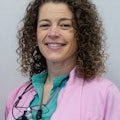 Jessica Atkinson, MEd, BSDH, RDH, FADHA
Jessica Atkinson, MEd, BSDH, RDH, FADHA
Jessica Atkinson, MEd, BSDH, RDH, FADHA, is a dental hygiene educator, clinician, and advocate dedicated to advancing the profession through innovation and education. She combines her clinical expertise and love for education to create engaging, practical learning experiences. Jessica is an Associate Professor and Senior Clinic Coordinator at Utah Tech University, co-host of A Tale of Two Hygienists, and CEO of HYGIENE edgeUCATORS, where she develops continuing education for educators and clinicians. She co-founded Hygiene Edge, a platform with over 100,000 YouTube subscribers. Recognized with the Element Award and Outstanding Service Award, she is a Fellow of the ADHA and past president of UDHA.
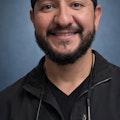 David Torres, CRDH
David Torres, CRDH
David Torres, CRDH, cohost of A Tale of Two Hygienists, is an experienced dental hygienist with over a decade of clinical expertise, specializing in patient education, preventive care, and the integration of modern dental technologies. Known for his passion for teaching, campus recruiting, and coaching, David is dedicated to elevating patient experiences while helping dental professionals improve efficiency, workflow, and long-term success.