The emotional labor behind dental burnout
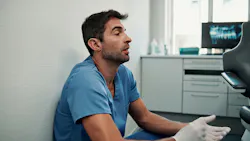
Trina has been practicing for 14 years and loves her patients, but she walks into the clinic already feeling drained.
Not physically — emotionally.
Before she even picks up a mirror, she feels a heaviness in her chest.
Trina’s first patient is a young adult with severe dental anxiety. Normally, she would slow down, soften her voice, and help the patient breathe through the appointment. Today, she just feels irritated and thinks, “I don’t have the energy for this today.”
Lately, Trina has noticed she’s becoming more robotic in her explanations, less warm, less patient.
She hates that reaction—it’s not who she is—but she can’t seem to stop it.
Trina finishes charting long after her team members have left. She sits alone in the operatory, staring at the wall, feeling emotionally flat. She thinks: “I care about my patients … so why do I feel so empty?”
She goes home exhausted, not from the procedures, but from the emotional labor of caring.
If you read this story and it resonated with you, I bet you would be surprised to learn that you are not alone. No matter what role you play in the dental office, we all have days when something feels “off.” This emotional exhaustion is not just linked to dental professionals. According to the American Psychology Association, most working adults feel moderately or severely stressed on average due to their responsibilities and workloads.1
Emotions are interesting, aren’t they? Some would argue that emotional responses are innate and that we do not need to take them seriously. However, to be mentally well, we need to be able to manage our overall emotions, no matter what situation we are in; recognize them, regulate them, and use them to be productive and successful members of society.2
Burnout is a response, not the root problem
Lately, dental professionals and dental professional organizations are quick to discuss the workforce imbalance. The staffing shortage is often attributed to workers feeling unsupported and burnt out.3 While this may be the case for some, what we must remember is that burnout is a response. No one woke up and decided to take all the time, energy, and passion they had invested in dentistry and throw it away. We will never be able to truly fix burnout if we do not start addressing it from the beginning. Why are dental professionals feeling unsupported? Why are we waiting until the burnout to offer solutions?
One idea suggested is that dentistry and health care have undergone significant shifts in the last few decades. While these changes seemed to support a healthy industry at first, we have learned over time that they are not always the kindest to employees. Consider dental schedules, patient expectations, and leadership styles.
Schedules, expectations, and systems
Dentistry is fast-paced and stressful. We are one of the true professions that has little control over the schedule from the minute the day starts until the last patient leaves.4 This constant turnover can leave staff feeling stretched and stressed. They have little time for anything else in the day but patient care.
Patient expectations in dentistry have also evolved. Now, patients show up inquiring about symptoms, treatments, and conditions they researched online or heard about from a friend. Patients bring pictures of advanced cases and expect the dentist to give them a replica. This puts pressure on practitioners to manage the patient’s care and combat misinformation.
Finally, leadership has also changed the dental system.5 There are more corporate-owned businesses with less small-business feel. The corporations have specific systems they expect to be implemented to make all the separate offices run as a single entity. Thus, sometimes professionals feel they have no autonomy and are on a production line.
The hidden emotional work of patient care
Even if we continued to address these concepts, we still would not address the elephant in the room: dentistry is tied to emotional labor. Dental professionals, more than ever, are expected to maintain a calm, confident, professional demeanor throughout the workday. By doing so, it helps to motivate and influence patient behavior, makes one more efficient, and helps the day feel less chaotic.
Emotional labor in dentistry requires everyone in the office to regulate their own emotions in a specific way to support others.6 While one may not realize it, emotional labor is exhausting. Acting a certain way for anyone, for any amount of time, and not being one’s true self is no way to be. Think about how many times you came to work and pretended that everything was fine when it was not. How many patients have you established a history with, only to be surprised when they got into your chair, not acting like themselves? It has long been recognized that suppressing emotions has consequences.7 Furthermore, it is not just the patients that professionals must go through emotional labor with. A dental professional must also act in a certain way toward their employer and teammates. When we look more closely at the reasons dental professionals are leaving the profession, many report feeling unsupported. What is not being scrutinized is that the emotional labor professionals deal with daily is exhausting them.
Support before burnout
The feelings of being unsupported are valid. Much of the research on emotional labor, particularly in dentistry, is limited. It is either outdated or only deals with dental students struggling with intense academic coursework and managing their patients’ expectations as they work toward graduation.8
Notice that being mentally well and dealing with emotional labor are not considered abnormal. One can be mentally well and still have a mental illness.2 The key difference is whether that person can healthily regulate their emotions. This regulated emotional match is achieved, even when one has a mental illness, with therapy, microrecovery moments, support systems, breaks, and sometimes, medication.2 Research shows that when employees are mentally well and emotionally supported, they not only perform better, but they are also more likely to have career longevity.1
From reaction to prevention
If dentistry wants to address the workforce imbalance more effectively, we need to stop just calling it burnout and look at it on a deeper level. We need to acknowledge that dentistry is an emotionally taxing profession. In the past, we have not taught our graduates about emotional labor, and even those already in the workforce often feel stressed and unsupported amid changes in the field.
There is the beginning of a shift in how professional organizations support their members. More resources are available that focus on mental health and the emotional labor of dentistry. Continuing education courses are being developed that discuss mental wellness, emotional complexes, and stress reduction.9 Hopefully, this is a small start to end the workforce imbalance. By digging deeper into emotional labor and its toll on us as dental professionals, we may be able to provide support to those who need it before they experience burnout.
Editor's note: This article appeared in the July 2026 print edition of RDH magazine. Dental hygienists in North America are eligible for a complimentary print subscription. Sign up here.
References
- Abrams A. The toll of toxic workplaces on mental health. Psychology Today. July 15, 2023. https://www.psychologytoday.com/us/blog/nurturing-self-compassion/202307/the-toll-of-toxic-workplaces-on-mental-health
- What is mental wellness? Global Wellness Institute. 2020. https://globalwellnessinstitute.org/what-is-wellness/mental-wellness/
- Statement on dental hygiene workforce solutions. ADHA Position Papers. Published May 1, 2026. https://www.adha.org/advocacy/adha_position_statements/
- Kulkarni S, Dagli N, Duraiswamy P, Desai H, Vyas H, Baroudi K. Stress and professional burnout among newly graduated dentists. J Int Soc Prev Community Dent. 2016;6:535-541.
- Revolutionizing dentistry: The impact and evolution of DSOs in today’s dental landscape. SPP Landscapes. August 11, 2023. https://sppdental.com/revolutionizing-dentistry-the-impact-and-evolution-of-dsos-in-todays-dental-landscape/
- Mohsin FZ, Ayub N. General emotional labor scale: Development and establishing psychometric properties. Business Review. 2020;15(1):83-96.
- Dukeman A, Boyd LD, Vineyard J, McCarthy J. Effects of emotional labor and job stress on professional quality of life in dental hygienists. Int J Dent Hyg. 2026:1-9. doi:10.1111/idh.70045
- Beck JA, Kornegay EC, Phillips C, Harmon JB. Assessing students' mental health in two American dental hygiene programs. Int J Dent Hyg. 2024;22(1):236-243. doi:10.1111/idh.12631
- Protect your mental health. American Dental Association.https://www.ada.org/resources/practice/wellness/mental-health
About the Author
 Tracee S. Dahm, MS, RDH
Tracee S. Dahm, MS, RDH
Tracee S. Dahm, MS, RDH, is a faculty member at North Idaho College and works in private practice. She has been published in dental journals, magazines, webinars, and textbooks, and featured on dental podcasts. Tracee is a key opinion leader on cutting-edge innovations in the hygiene field. Her research interests include trends in dental hygiene, improving access to dental care for the underserved, and mental health. She can be reached at [email protected].