Lone Star Hygiene: A first year rooted in connection
Key Highlights
- Lone Star Hygiene has grown into a Texas-wide community spanning 35 cities in its first year.
- The society promotes collaboration, mentorship, advocacy, and expanded access to preventive oral health care.
- Its second year will focus on professional autonomy, legislative issues, alternative practice models, and preventive care access.

A year ago, Lone Star Dental Hygiene Society began with a shared belief: dental hygienists deserve a place to connect, learn, and help shape the future of preventive oral health care. What started as that idea has grown into a grassroots, Texas-wide community of clinicians, educators, advocates, and mentors who wish to see progress in dental hygiene scope of practice and public access to care.
Since opening membership in October 2025, Lone Star Hygiene has welcomed members spanning 35 Texas cities. The growth has been more than a geographic milestone. It has brought together hygienists with different experiences and perspectives—from clinical practice and periodontal therapy to education, public health, compliance, and professional advocacy. Their common ground is a belief that prevention matters, that patients benefit when care is accessible, and that the profession is strongest when its members support one another.
Spirit reflected in vision
That spirit is reflected in the society’s vision: to unite and empower dental hygienists through collaboration, innovation, and advocacy while advancing oral health for all communities. Its core values—collaboration, advocacy, excellence, integrity, innovation, and mentorship—are not simply words on a page. They provide a practical framework for how the organization approaches education, professional growth, legislative conversations, and service.
Board of directors
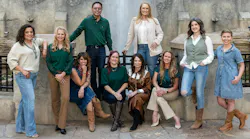
The board of directors brings that framework to life. Bethany Montoya, MBA, BAS, RDH; Melissa Calhoun, MSDH, RDH; Melanie Boyd, BS, RDH; Alisha Hull, MS, RDH; Elizabeth Cruz, RDH; Brittany Wragg, RDH; Nina Rose Piña, MACI, BSDH, RDH; and Deanna Otts-Whitfield, MSHQS, BSDH, RDH, CDIPC, represent the many directions a dental hygiene career can take. Their collective experience illustrates the breadth of a profession that extends well beyond the operatory.
The future of oral care in Texas
As Lone Star Hygiene enters its second year, it is also making room for important conversations about the future of care in Texas. The organization is interested in legislative topics to include professional autonomy, expanded local-anesthesia privileges that include nerve blocks, and potential pathways for qualified dental hygienists to administer neurotoxins. It also supports discussion around dental insurance reform, particularly reforms that could increase benefits for preventive services.
Another topic is the registered dental hygienist in alternative practice, or RDHAP, model. Originating in California, RDHAP is a community-based approach often considered in discussions about how preventive services can reach people who face barriers related to location, mobility, cost, or access to traditional dental settings. For Lone Star Hygiene, exploring models like this is part of a broader question: How can preventive oral health care reach more people while maintaining high standards for education, regulation, and patient safety?
Related: RDH Mobile: The RDHAP model in California
A meaningful first year
The society’s first year has included meaningful moments of learning and service. It formally became a 501(c)(6) organization, expanded its social media presence through @lonestarhygiene, and hosted virtual continuing-education events for hygienists across the country. It also became an accredited continuing-education provider through the American Academy of Dental Hygiene.
The year was not only about professional milestones. In response to the 2025 Texas floods, Lone Star Hygiene raised and donated funds to support affected communities. It cohosted a booth at the 2025 RDH Under One Roof conference and held a successful merchandise fundraiser that gave members another way to participate in the organization’s work.
At its one-year mark, Lone Star Hygiene is looking outward as much as inward. The organization hopes to build a strong coalition with like-minded associations and organizations to advance preventive oral health care across Texas and beyond. It also extends gratitude to the clinicians and organizations that have encouraged its early work, including RDH magazine.
The first year has shown what can happen when a profession gathers around a shared purpose—not simply to grow an organization, but to expand the conversation about prevention, access, and the future of oral health.
Editor's note: This article appeared in the November/December 2026 print edition of RDH magazine. Dental hygienists in North America are eligible for a complimentary print subscription. Sign up here.
About the Author
 Bethany Montoya, MBA, RDH
Bethany Montoya, MBA, RDH, is a practicing dental hygienist, educator, industry key opinion leader, and editorial director of DentistryIQ’s Clinical Insights newsletter. She has a passion for advancing modern disease prevention. She specializes in exploring the intersection of clinical practice, professional growth, and innovation within oral health care. Through her writing, she aims to educate, inspire, and spark meaningful dialogue in the dental community. She can be reached at [email protected].