The nutrition mistake I wish I hadn't made as a dental hygienist
Key Highlights
- Dental hygienists face frequent musculoskeletal pain and injury associated with repetitive movements and sustained awkward postures.
- Dietary protein supplies amino acids that support muscle protein synthesis and the repair of muscle fibers.
- Aim for about 25–35 grams of high-quality protein at meals, with older adults potentially benefiting from the higher end.
- Prioritize protein, healthy fats, and complex carbohydrates, and favor whole-food protein sources over highly processed products.
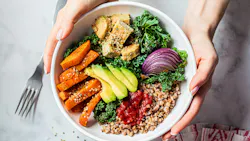
Take a trip down memory lane with me and see if this sounds familiar to you too: I thought I was doing fine. I’d wake up, ready for another day in the operatory. Drink some coffee, get dressed, then go out the door. Back-to-back patients, maybe a bite of a day-old donut from the break room between patients. More coffee, some water, and then I would finally eat actual food around noon.
By then, I usually felt some discomfort; maybe my wrists were sore and my back was getting tighter, but I pushed through as many of us do. I didn’t realize it at the time, but I was completely overlooking one of the biggest factors in how my body could function and recover: what I was choosing to put into my mouth.
Protein is a nonnegotiable for healthy muscles
As dental hygienists, we're asking our muscles to perform thousands of precise, controlled, and delicate movements all day. If we aren’t providing them with the necessary building blocks and raw materials they need, are we making things harder than they need to be?
The fact is, dentistry has some of the highest musculoskeletal injury rates, with up to 97.9% of clinicians experiencing pain or injury in the neck, low back, shoulders, hands, and wrists.1 This is due to repetitive motions, long periods in static, awkward postures, and fine motor work.
Many of us spend thousands of dollars on ergonomic equipment and training, not to mention visits to the chiropractor, massage therapist, physical therapist, and more. But how many of us have stopped and truly assessed what we are feeding our bodies?
Related reading: Are your shoes hurting you?
Understanding dietary protein
In dentistry, our muscles are constantly breaking down and rebuilding (kind of like the demineralization and remineralization process of enamel). Muscle fibers break down when we strength train, spend hours in awkward postures during our clinical days (think the chicken wing), or just walk around being a human. Muscle protein synthesis (MPS) is the process by which our bodies repair damaged muscle fibers and build new muscle proteins.2
What is something we all have access to that can support MPS? Dietary protein.
High-quality protein includes all the essential amino acids needed to trigger MPS. Studies show that around 25-35 grams of high-quality protein at mealtimes provides enough amino acids to stimulate MPS for most adults, with older adults benefiting from the higher end of that range.2 You can think of this amount of protein as flipping on our repair switch.
Full disclosure, I used to skip breakfast. For years. I thought I was saving time and watching my calories, and that by doing this, I could splurge later in the day on those cookies or other treats that seem to be ever-present in dental office break rooms. It took me years to realize my midmorning fatigue, irritability, cravings, pain, or headaches were likely due to the simple fact I was not fueling my body for the very demanding job I was doing every day.
Once I made the change and started my day with a high-protein, nutrient-dense breakfast, I noticed something surprising: I had more energy. I could focus better and be the happy, upbeat, passionate dental hygienist I wanted to be. I didn’t feel the need to snack all morning between patients because the protein I had kept me full. I wish I'd started eating high-protein breakfasts so much sooner! I even noticed changes in my body composition. I was losing fat and gaining muscle, which made me feel healthier, more in control, and confident.
It’s never too late to relearn how to eat
All of us, regardless of gender, start to lose muscle mass beginning in our 30s; this process is accelerated for women as they enter perimenopause and menopause, which may be due to fluctuating and lowering estrogen.3 This is a time when adequate protein and resistance training are even more important. In dentistry, we need strong muscles and enough endurance not only to do our jobs, but also to prevent injury, which is all too common in our field.
I had to literally relearn how to eat. When looking at our meals, we want to prioritize 25 -35 grams of protein first (lean meats, eggs, Greek yogurt). Then think about healthy fats (olive oil, avocados, nuts). Then, finish with complex carbs (oats, sweet potatoes, quinoa). Starting with protein not only ensures we get the amount needed for MPS, but it also activates our satiety signals and slows gastric emptying, so we don’t overeat that bread or pasta later. Carbs are not bad as some of us might think, but we want to be eating complex carbs that include fiber, and not simple carbs that spike our blood sugar and lead us to be “hangry” an hour later.
Listen on RDH Magazine Podcast: Essential nutrition for the dental professional
Speaking of protein, have you noticed lately that everything seems to have added protein? Protein chips. Protein cereal. Protein cookies. Protein candy. Even protein coffee! Protein matters, but protein quality matters too. Highly processed food with added protein is still highly processed and not the best choice if we are trying to optimize our health and stimulate MPS. Don’t be fooled by clever, catchy marketing; we want to get our protein from whole foods, not highly processed snacks.
Ergonomic equipment matters. Ergonomic training matters. Strength training and recovery matter. But if we aren’t giving our bodies the raw materials they need to repair muscle, we’re missing a crucial piece of the puzzle. Protein isn’t about building bigger muscles or becoming a bodybuilder; it’s about maintaining the muscles that help us do the career we love.
My go-to smoothie recipe
I am excited to share my go-to morning smoothie, which I have every morning. It has over 40 g protein, healthy fats, complex carbs, and fiber. It comes together in less than five minutes, tastes amazing, and keeps me full until lunch.
Recipe
100 g 0% milkfat Greek yogurt
100 g macadamia milk
40 g avocado
100 g egg white
50 g spinach
70 g blueberries
15 g chia seeds
30 g (1 scoop) protein powder of choice
20 g oats
Add everything to a blender and blend until smooth. Enjoy!
Macros
499 calories
13.5 g fat
55 g protein
42.5 carbs
10 g sugar
Editor's note
This article appeared in the November/December 2026 print edition of RDH magazine. Dental hygienists in North America are eligible for a complimentary print subscription. Sign up here.
References
- Lietz J, Kozak A, Nienhaus A. Prevalence and occupational risk factors of musculoskeletal diseases and pain among dental professionals in Western countries: A systematic literature review and meta-analysis. PLoS ONE. 2018;13(12):e0208628. https://doi.org/10.1371/journal.pone.0208628
- Wilkinson K, Koscien CP, Monteyne AJ, Wall BT, Stephens FB. Association of postprandial postexercise muscle protein synthesis rates with dietary leucine: A systematic review. Physiol Rep. 2023;11(15):e15775. doi:10.14814/phy2.15775. PMID: 37537134; PMCID: PMC10400406.
- Menzies C, Bowtell R, Shur N, Brook MS. Menopause, female sex hormones, skeletal muscle mass and muscle protein turnover in humans. J Cachexia Sarcopenia Muscle. 2026;17(1):e70232. doi:10.1002/jcsm.70232. PMID: 41707658; PMCID: PMC12916153.
About the Author
 Stephanie Botts, BSDH, RDH, CEAS
Stephanie Botts, BSDH, RDH, CEAS, has been a clinical dental hygienist for over 17 years. She is a certified ergonomics assessment specialist providing both in-office and virtual ergonomics consulting and coaching to dental professionals. She also provides CE to dental and dental hygiene associations on ergonomics. Stephanie believes that by learning effective strategies to optimize proper ergonomics, dental professionals can practice pain-free and ensure career longevity. She can be reached at [email protected] or on Instagram at @steph.polishedposture.
Related
 woman eating healthy food