The biohacking of nicotine
Key Highlights
- Nicotine pouches are marketed as tobacco-free, discreet, and modern, appealing to younger adults and health-conscious users.
- Users often perceive these products as safe, which can lead to underreporting during health history assessments.
- Nicotine's pharmacologic effects include increased heart rate, xerostomia, and soft tissue irritation, which are relevant for oral health monitoring.
- Dental hygienists should consider the oral and systemic impacts of high-dose nicotine exposure, especially with products containing elevated nicotine concentrations.
- Proactive, nonjudgmental patient conversations can help address misconceptions and identify emerging oral health issues related to nicotine pouch use.
It’s hard to believe that I have spent more than 30 years of my professional life immersed in the profession of dental hygiene. It has truly been both an honor and a privilege to serve alongside all of you throughout those years, and my goal has always been to give back more to this amazing profession than it has so graciously given to me.
With more than three decades spent at the crossroads of pharmacology and dental hygiene comes a unique perspective on how societal trends, cultural shifts, and changing attitudes toward substances inevitably find their way into our operatories and leave their mark on our profession. Over the last few years, one substance in particular—nicotine—has quietly undergone a remarkable image makeover.¹
Once associated primarily with cigarettes, smokeless tobacco, and smoking cessation products, nicotine is now increasingly being marketed as something entirely different: clean, discreet, modern, and in some circles, even “optimized.” For many younger adults, nicotine is no longer viewed strictly as a bad habit. Instead, it is being reframed online as a productivity tool, a cognitive enhancer, and even a lifestyle accessory. And, unlike traditional cigarettes or smokeless tobacco, today’s nicotine products are often designed to fly under the radar. Welcome to the rapidly growing world of nicotine pouches.
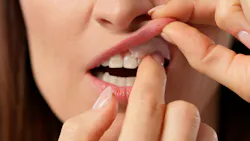
Products such as Zyn, On!, Rogue, and Velo have exploded in popularity, particularly among younger adults, college students, professionals, fitness enthusiasts, and social media-–driven “biohacking” communities.² Marketed as tobacco-free, smoke-free, and spit-free, nicotine pouches are often perceived by consumers as a cleaner and safer alternative to other more “traditional” nicotine products. However, while the tobacco may be gone, the pharmacology of nicotine itself remains very much intact.³
For dental hygienists, this creates an interesting and evolving clinical scenario. Patients using nicotine pouches may not identify themselves as smokers or tobacco users during the medical history interview, even though they may be exposing their oral tissues and systemic circulation to nicotine throughout the day. In many cases, these patients genuinely do not believe they are using a harmful product, and that is a powerful distinction.
Nicotine as a “performance enhancer”
One of the more fascinating aspects of the nicotine pouch trend is that many users are not necessarily seeking relaxation. Instead, nicotine is increasingly being promoted online for its stimulant like effects on concentration, alertness, and focus.
In some corners of social media, nicotine has become part of a larger self-optimization culture centered on productivity, fitness, entrepreneurship, and performance enhancement. The messaging is subtle but powerful: Nicotine is no longer being marketed solely as recreational, but rather, operational. Increasingly, it is being positioned as a tool.
This shift may partially explain why nicotine pouch use has gained traction among individuals who might never have considered smoking cigarettes or using traditional smokeless tobacco and is clearing the road that lies ahead in favor of nicotine over alternative substances such as cannabis and microdosed hallucinogens.
Unlike cigarettes, nicotine pouches produce no smoke or vapor. Unlike chewing tobacco, they require no spitting and leave behind little obvious evidence of use. Many users can consume nicotine discreetly throughout the day at work, in school, at the gym, or even during long appointments without attracting attention.
For dental hygienists, this means some patients may be experiencing near-constant nicotine exposure while appearing, at least outwardly, to be nontobacco users.
Why this matters in your operatory
Although the use of nicotine pouches eliminates many of the harmful combustion products associated with tobacco cigarettes, nicotine itself remains a highly active pharmacologic agent.³ Nicotine stimulates the sympathetic nervous system and can increase heart rate and blood pressure while producing varying effects on vasoconstriction and tissue perfusion.⁴
Depending on frequency and concentration of use, patients may experience xerostomia, soft tissue irritation, or increased parafunctional habits such as clenching and bruxism. Localized tissue changes at pouch placement sites may also become more common as use patterns increase.⁵ While long-term data regarding nicotine pouches is still emerging, dental hygienists may begin noticing mucosal irritation, localized recession, or chronic soft tissue changes in patients who routinely place pouches in the same location throughout the day.
Another important consideration is nicotine concentration. Many nicotine pouch products are available in strengths far exceeding the nicotine delivery traditionally associated with cigarettes.⁶ Some products marketed online contain nicotine concentrations that can easily surprise dental hygienists who are unfamiliar with these newer formulations. This may create an entirely different level of nicotine exposure than we expect.
The “tobacco-free” assumption
One of the more challenging aspects of nicotine pouch use may be the perception of safety surrounding these products. Patients often interpret “tobacco-free” as meaning harmless or at least medically insignificant. As a result, nicotine pouch use may not always appear during routine health history discussions unless specifically addressed. This presents an opportunity for thoughtful, nonjudgmental patient conversations.
Rather than approaching nicotine pouches from a traditional tobacco cessation perspective, dental hygienists may find it more productive to frame discussions around oral dryness, soft tissue irritation, healing considerations, and overall oral health observations.
Interestingly, many patients using nicotine pouches may be highly health-conscious individuals who are otherwise focused on exercise, nutrition, and wellness. These conversations may therefore be better received when approached from the standpoint of oral-systemic awareness rather than criticism. In many ways, the modern nicotine user may look very different from the patient many dental hygienists picture when they hear the word “nicotine.”
A trend worth watching
As nicotine products continue to evolve, dental hygienists are likely to remain among the first health-care professionals to observe their oral implications in real time. That is one of the more unique aspects of dental hygiene practice. Hygienists often spend more uninterrupted time with patients than many other health-care providers, creating opportunities to recognize subtle patterns, emerging habits, and changing health behaviors long before they become obvious elsewhere.
Nicotine pouches may ultimately prove to be far less harmful than combustible tobacco products. However, the rapid normalization of high-dose, discreet nicotine exposure raises important pharmacologic and oral health questions that dental hygienists should keep on their radar.
One thing is increasingly clear: Nicotine has entered a new era, and the patients using it may no longer fit the traditional stereotypes many dental hygienists expect.
Editor's note: This article appeared in the July 2026 print edition of RDH magazine. Dental hygienists in North America are eligible for a complimentary print subscription. Sign up here.
References
-
Majmundar A, et al. Public perceptions and emerging trends surrounding nicotine products and nicotine use. Am J Health Behav. 2023;47(4):512-520.
-
Morean ME, et al. Awareness and use of nicotine pouch products among young adults in the United States. JAMA Network Open. 2023;6(1):e2253801.
-
Benowitz NL. Nicotine and cardiovascular health. New England J Med. 2022;386(10):949-959.
-
Centers for Disease Control and Prevention. Health effects of nicotine and tobacco products. Accessed May 12, 2026. https://www.cdc.gov/tobacco
-
Pluym N, et al. Oral nicotine pouch products: chemical analysis and potential oral health implications. Nicotine Tobacco Res. 2023;25(7):1201-1209.
-
Lunell E, et al. Pharmacokinetic comparison of modern oral nicotine products and combustible cigarettes. Front Pharmacol. 2024;15:1287742.
About the Author
Thomas Viola, RPh, CCP.
With over 30 years of experience as a board-certified pharmacist, clinical educator, professional speaker, and published author, Tom Viola, RPh, CCP, has earned his national and international reputation as the go-to specialist for making pharmacology practical and useful for all members of the dental team. Tom has received several awards for outstanding teacher of the year and has been recognized by many industry organizations as a leader in continuing dental education and has presented over 2,000 informative and engaging seminars and webinars since 2001.